From Icon to Landscape: Widening the Frame
We do it everywhere.
We stand in front of a cathedral and point our camera upward.
We walk onto an old factory site and search for the most photogenic façade.
We park by a castle and head straight for the gate.
We look at objects.
The tower.
The façade.
The silhouette.
The icon.
The landscape around it functions as background. Scenery for the image we take home.
That is understandable. Objects are manageable. They fit inside a frame, inside a brochure, inside a logo. They are recognizable, shareable, marketable.
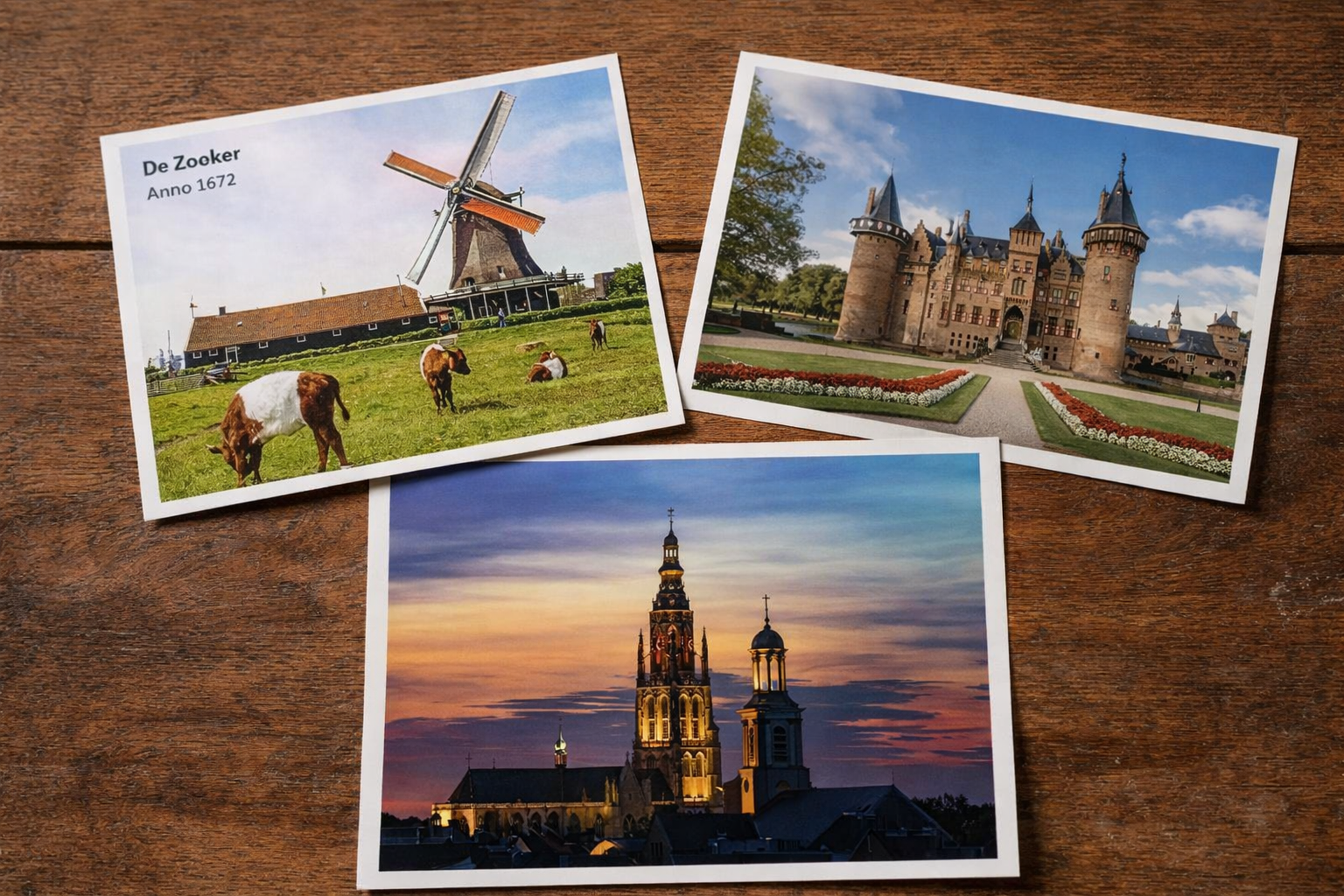
But almost none of these places was ever meant to exist as a standalone object.
They emerged as part of a system.
A cathedral stood at a junction of routes.
A factory lay by water, rail, or raw materials.
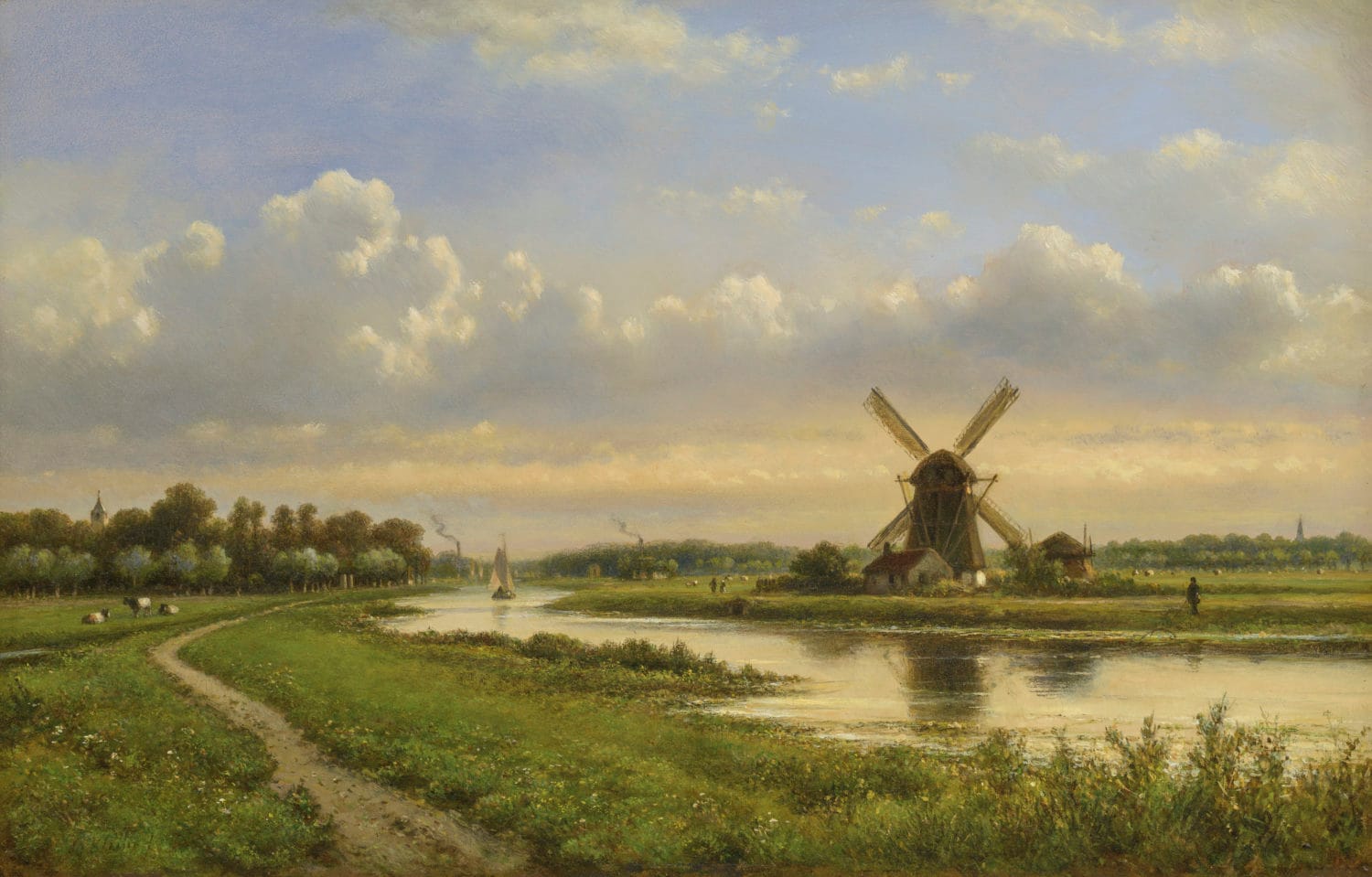
A mill followed wind and water levels.
A castle organized land, roads, and power.
Detach them from their surroundings and they become easier to understand… but also flatter.
And in doing so, we reduce heritage to consumption: something to look at instead of something to relate to.
And that is precisely where the danger lies.
The comfort of monument thinking
Monument thinking has given us much.
Thanks to that focus, countless buildings have been preserved. Without heritage protection, they would have disappeared.
But monument thinking also has a side effect.
When the monument replaces the story of the landscape from which it emerged, meaning shifts from relationship to object. History becomes something to observe instead of something you are part of.
That seems harmless.
But it changes how we relate to place.
A city is reduced to a single image.
Identity becomes marketing.
Preservation focuses on façades while structures disappear.
The landscape outside the monument boundary becomes leftover space.
And perhaps even more profoundly:
we lose the awareness that we ourselves are part of an ongoing interaction between people and land.
When history is fixed inside an icon, it appears complete.
As if it took place within those walls… and no longer outside of us.
Breda castle: a node, not a backdrop
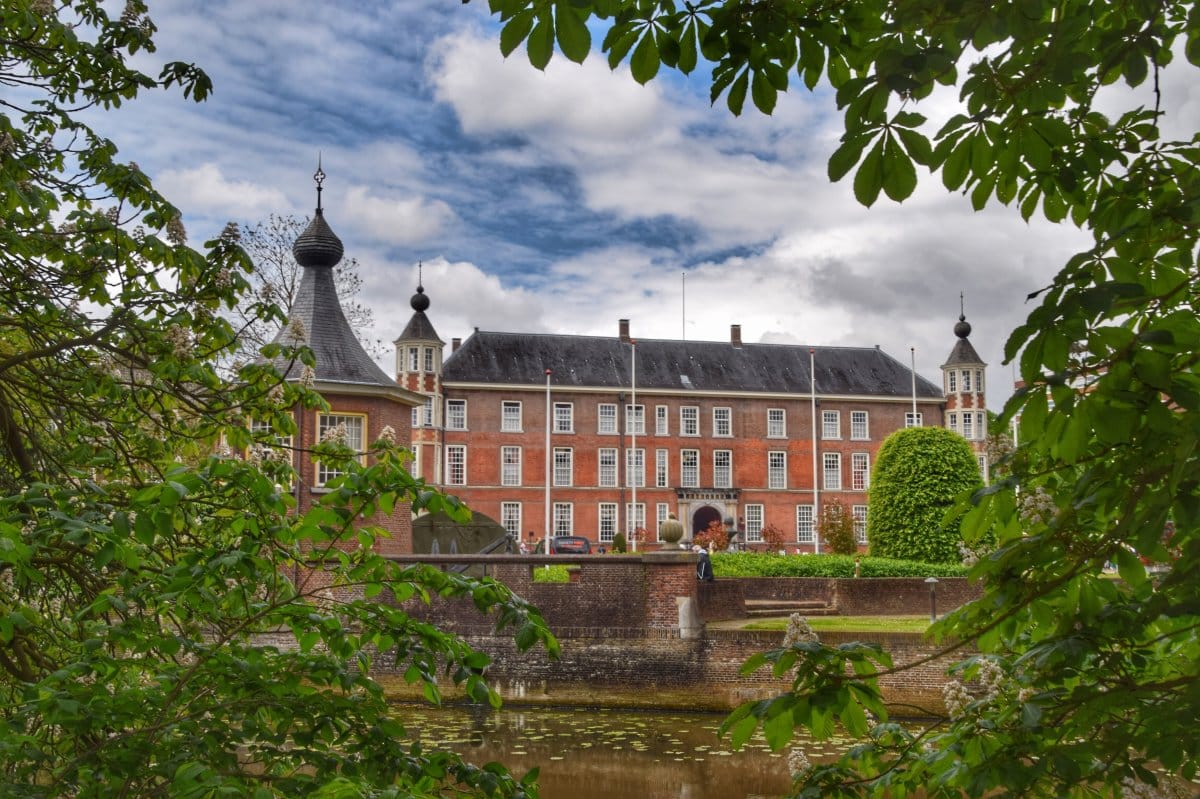
Breda Castle is usually presented as exactly that: a monument. An impressive building in the heart of the city, linked to the House of Nassau and to military history.
But the castle does not stand here by accident.
It lies along the River Mark.
At a crossing of trade routes.
In a region of fertile land and strategic significance.
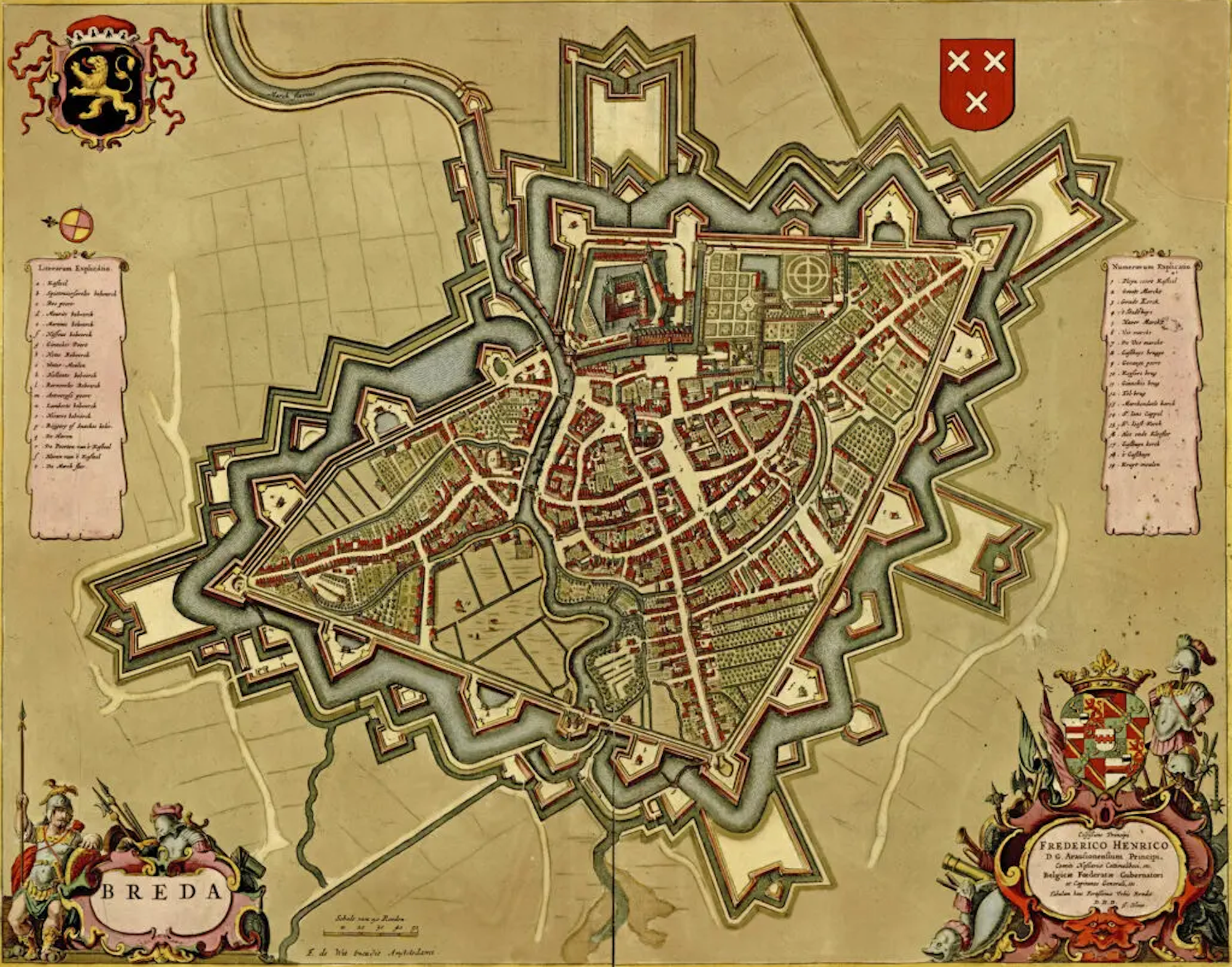
The castle organized the landscape: economically and militarily.
And the landscape legitimized the castle.
Yet many visitors experience it as an isolated icon. A historical object in the middle of a modern city. The surroundings have become décor.
That has consequences.
If the castle is merely a monument, the past remains sealed off. It says something about nobles and officers. Not about the city of today.
But whoever reads the castle as a landscape node sees something else:
Breda as a city shaped by water, trade, and power structures. The castle is then not a leftover, but a visible remnant of a system that still influences the city.
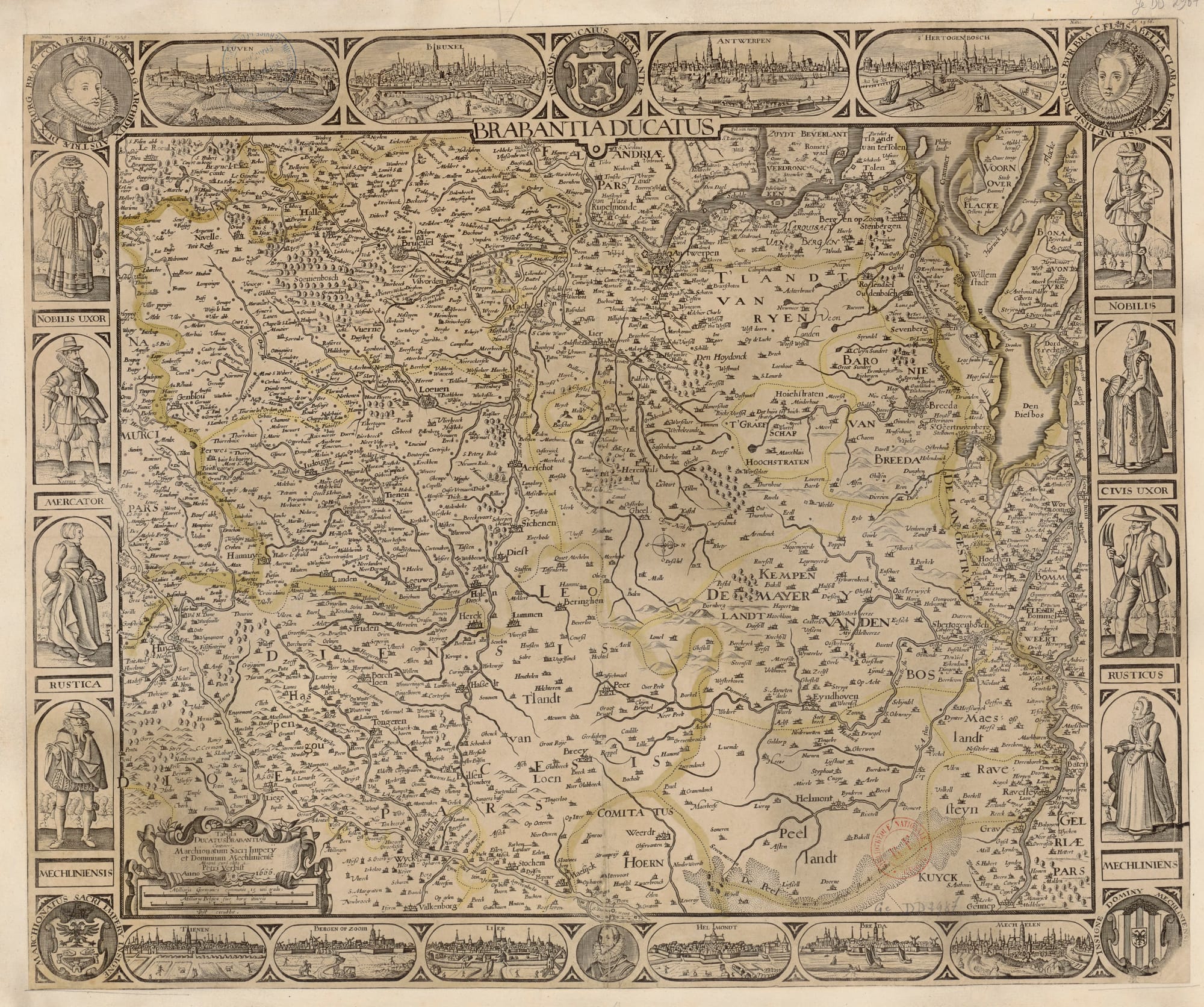
That perspective shifts the relationship.
Not distant admiration, but recognition.
And recognition is the precondition for pride.
Middachten and the Veluwezoom: the house as outcome
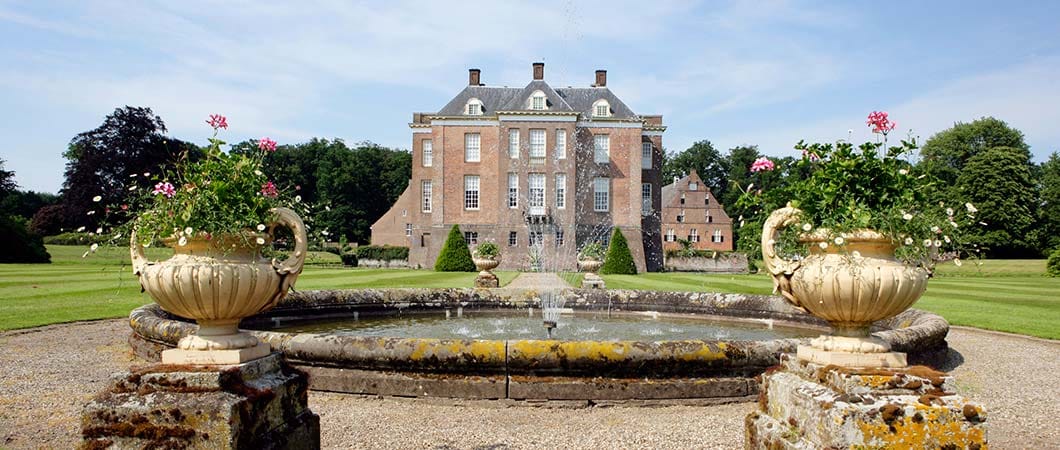
At Middachten Castle, you come for the house.
You drive up the avenue.
You look for symmetry.
The red shutters.
The reflection in the moat.
Perhaps the rose garden.
You look at what presents itself as an image.
The house seems to be the center.
But take a few steps back and you see that the house is not the beginning: it is the outcome.
The house is merely the center of a larger whole: forests on the glacial ridge, agricultural land in the lower grounds, sightlines organizing the estate, water structuring the terrain.
The transition from river to higher sandy soil made this place economically and strategically valuable. Timber production, hunting, agriculture, and water management came together here. The estate functioned as a single system.
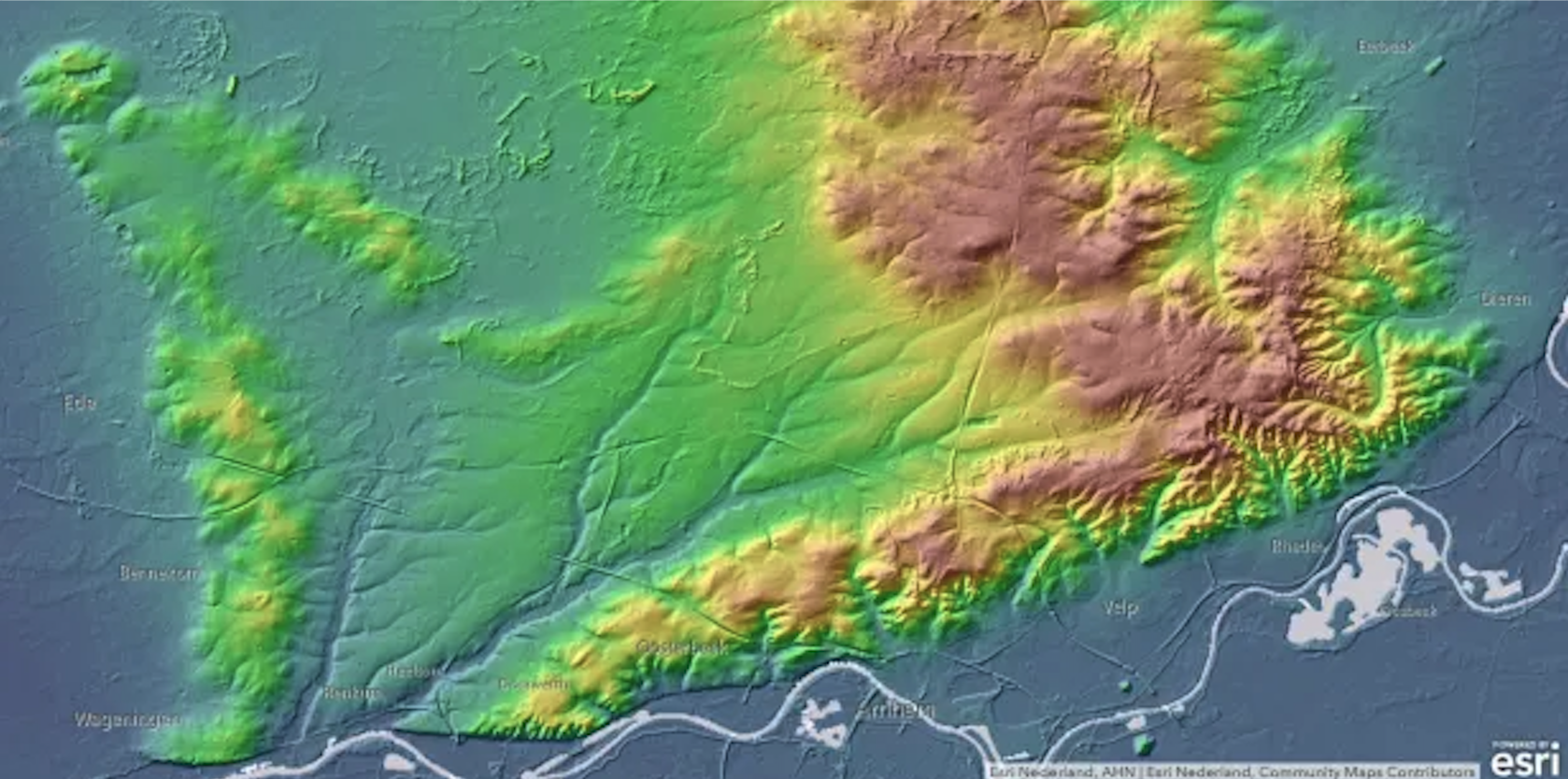
When visitors see only the house, they see aesthetics.
When they read the landscape, they see relationships: between elevation and power, between forest and income, between water and accessibility.
For residents of the region, something fundamental changes.
The forest where they walk, the floodplains that overflow, the road they take every day: they are part of the same historical system.
That awareness does not create nostalgia.
It creates insight.
What is really going wrong
The problem is not that we value monuments.
The problem is that we isolate them.
When meaning is attached to a single building, the story shifts.
History becomes something that happened and is now on display.
The visitor looks.
The resident admires.
But the relationship remains distant.
Our connection to the land does not reside in stone alone.
It lies in how people adapted to water, soil, and relief... and how they shaped, used, and transformed that same environment. Power, labor, and daily life are embedded not only in walls, but in routes, land divisions, waterways, and patterns of use.
A monument is almost always an outcome of that system.
Rarely the beginning.
When we preserve only the icon, we preserve the result, but not the story that produced it.
And without that story, the icon itself loses depth.
What is at stake
When heritage is presented as an icon, meaning seems to reside within the object itself.
But meaning arises in relationship:
between building and water,
between estate and agriculture,
between fortification and trade route.
Those who identify with an icon feel pride when they see it.
Those who identify with a landscape recognize themselves within a larger whole.
That demands more.
It asks that we expand the story from architecture to system, from event to process.
Not to make the monument smaller,
but to understand it more fully.
From admiration to involvement
When heritage is embedded in its landscape, the relationship shifts.
Visitors understand why something is here and not somewhere else.
Residents recognize how their everyday surroundings have been historically shaped.
Organizations discover that their stories do not compete, but complement one another.
Pride then arises not from nostalgia.
And not from marketing alone.
But from insight.
From the awareness that one’s living environment is not accidental, but shaped.
And still being shaped.
Heritage is no longer a postcard.
But a lens.
Not a static image.
But an ongoing interaction between people and land.
The choice
The shift from monument to landscape is not a semantic nuance.
It is a choice.
Between heritage as icon
or heritage as relationship.
Icons deserve appreciation.
They carry history visibly.
But without their landscape, they lose depth.
And perhaps the real question is not why we preserve monuments, but why we continue to pretend they ever stood alone.