De Romeinse grens: Limes Nexus
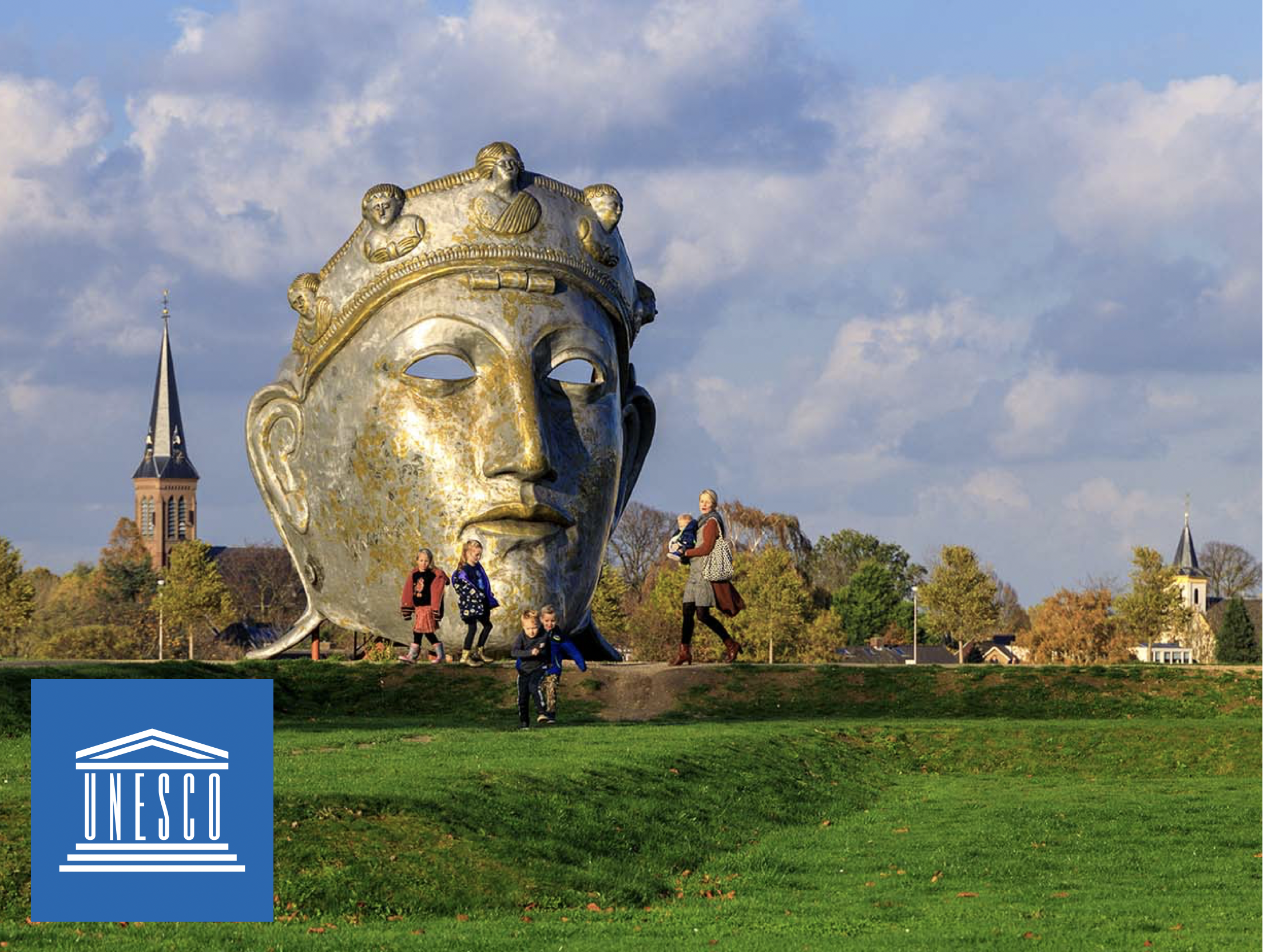
In 2021 kreeg de Neder-Germaanse Limes de status van UNESCO Werelderfgoed. Een belangrijke erkenning, maar ook een complexe. Dit werelderfgoed is geen gebouw of bestemming, maar een Romeinse grens van ruim 400 kilometer, die door Nederland en Duitsland loopt en steden, landschappen, musea, archeologische vindplaatsen, fietsroutes en plekken met nauwelijks zichtbare sporen verbindt.
Dat riep een fundamentele vraag op:
hoe maak je van zo’n lange, gefragmenteerde grens een betekenisvolle bezoekerservaring, zonder alles te reduceren tot één uniforme attractie?
De uitdaging
Langs de Limes bestaan veel sterke plekken. Musea vertellen overtuigende verhalen, lokale vindplaatsen tonen concrete sporen en het landschap draagt geschiedenis onder het oppervlak. Vanuit het perspectief van bezoekers stonden deze ervaringen echter vaak los van elkaar. Een bezoek aan één plek maakte zelden duidelijk dat men zich binnen een groter UNESCO-verhaal bevond.
Het probleem was niet de inhoud, maar de samenhang.
Verschuiving in aanpak
In plaats van één vaste route of lineair verhaal werd de Limes benaderd als een netwerk van ontmoetingen. Erfgoed wordt ervaren in momenten: een museumbezoek, een wandeling, een fietstocht, een markering in het landschap of zelfs een bericht over een nieuwe vondst. Elk van deze momenten kan zowel begin- als eindpunt zijn.
Het centrale inzicht:
elke ontmoeting met de Limes moet aanvoelen als een volwaardig startpunt, en vanzelf een volgende stap suggereren.
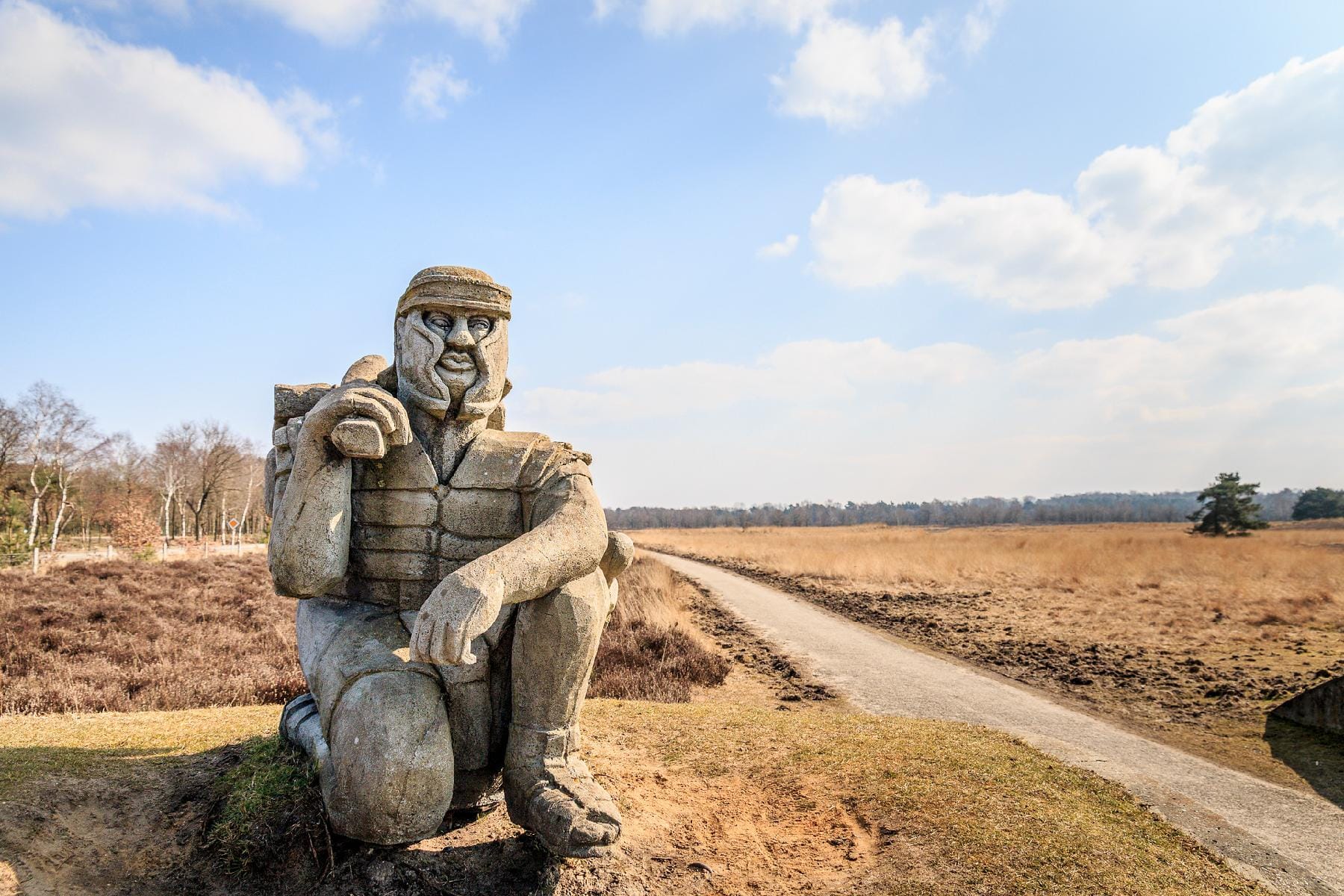
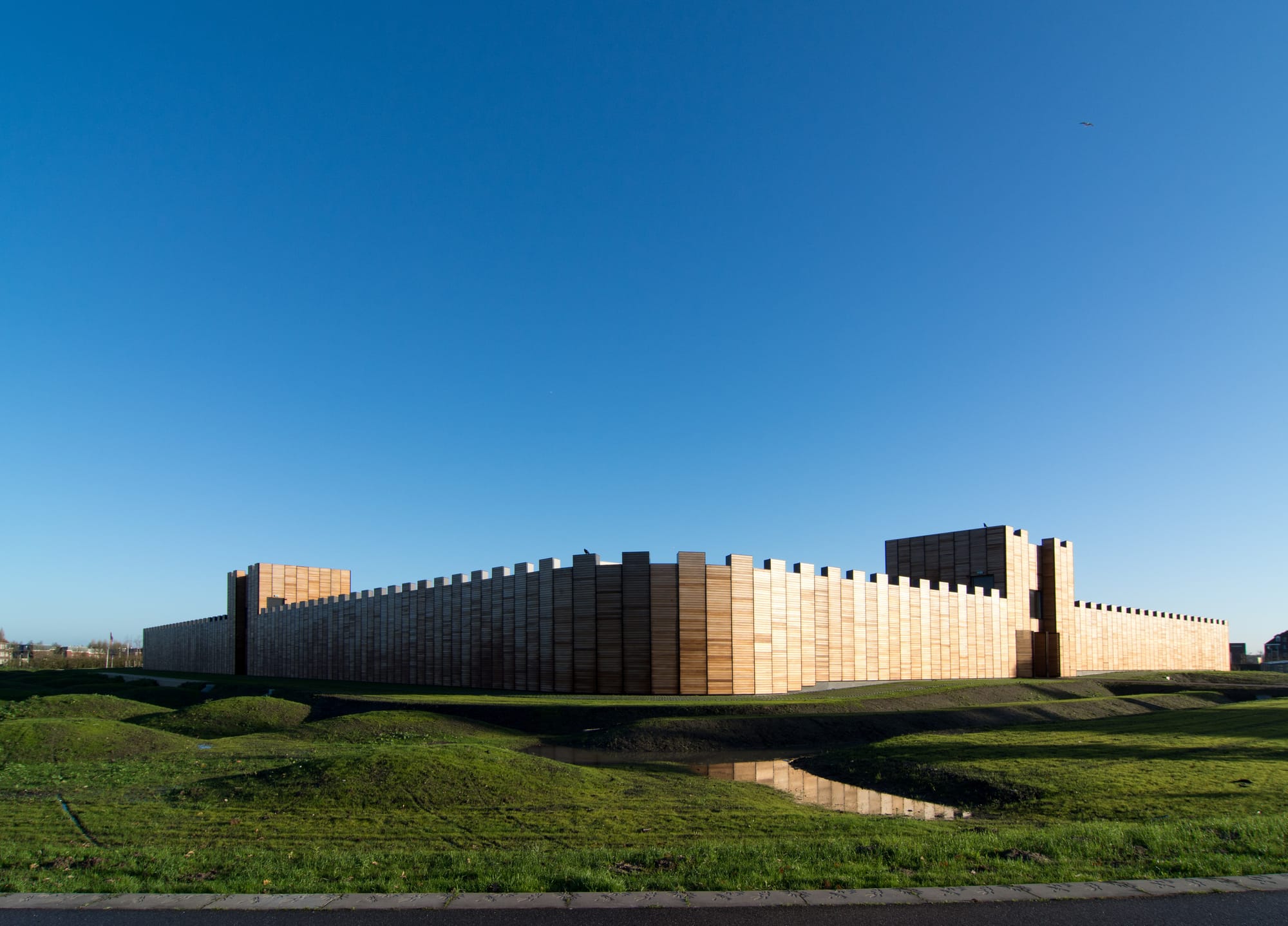
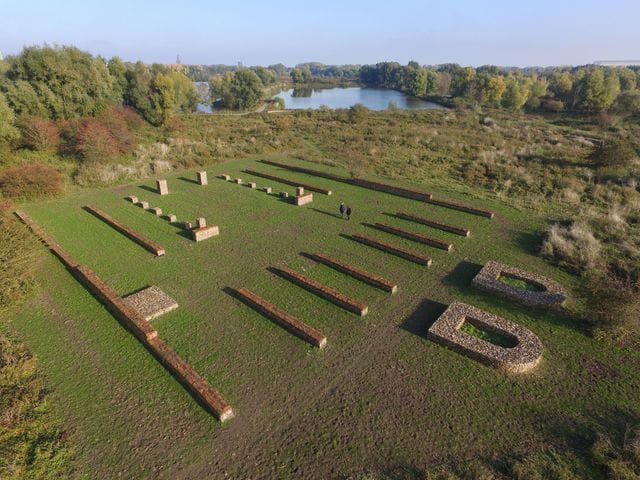
The Limes in the Netherlands is full of interesting spaces. The key is to connect them to the bigger story.
Resultaat: Limes Nexus
Limes Nexus is een strategisch belevingskader dat plekken, verhalen en mensen verbindt binnen een uitgestrekt en divers UNESCO-gebied. Geen masterplan en geen vast bezoekerspad, maar een flexibel systeem dat samenhang creëert zonder lokale eigenheid te verliezen. De naam verwijst naar verbinding, precies wat het kader mogelijk maakt.
Het systeem in het kort
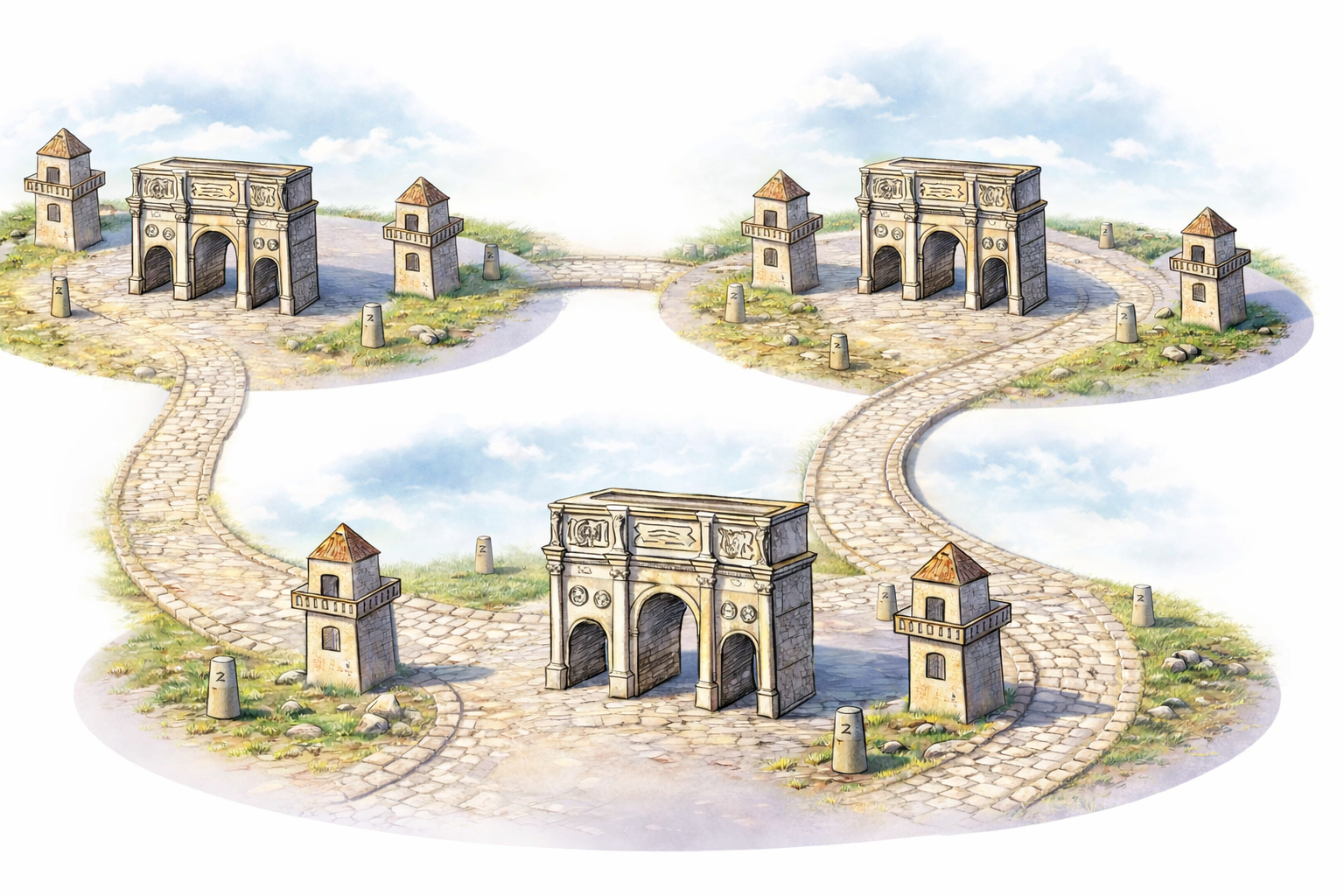
Limes Nexus werkt met een eenvoudige ruimtelijke logica:
- Toegangspoorten
Grote musea en kernlocaties die overzicht bieden en het grotere verhaal van de Romeinse grens duiden. - Buitenposten
Regionale musea en archeologische locaties die inzoomen op specifieke plekken, vondsten en verhalen. - Markers
Plaatsen waar weinig zichtbaar is, maar waar interpretatie en lichte digitale lagen het onzichtbare zichtbaar maken.
Samen zorgen deze typen voor overzicht, verdieping en continuïteit binnen het netwerk.
Gedeelde elementen, geen uniformiteit
De samenhang ontstaat niet door identiek ontwerp, maar door gedeelde referenties. Denk aan een consistente manier om de grens te tonen op kaarten, toegankelijke taal om het verhaal uit te leggen, subtiele signalen dat een plek onderdeel is van het grotere geheel en digitale koppelingen tussen locaties en verhalen. Zo ontstaat herkenning zonder homogeniteit.
Vrijheid door ontwerp
Limes Nexus laat bewust ruimte. Locaties behouden hun eigen identiteit, toon en schaal. Verhalen blijven lokaal en deelname kan variëren van licht tot uitgebreid. Het systeem schrijft geen scripts voor, maar definieert relaties.