The Experience Landscape 2026: Designing for Meaning, Not Scale
The Experience Landscape is my way of stepping back from trends, case studies, and institutional noise to pay attention to what is actually shifting beneath the surface of cultural, spatial, and outdoor experiences.
It is not a forecast, and not a catalogue of innovations to replicate. It is a reading of the terrain as it appears now.
Why this shift is happening
By 2026, experiences have become less about what institutions offer, and more about how they relate to people, to place, and to time.
This shift did not arrive suddenly. It has been forming for years, driven by several overlapping pressures.
- Attention has become scarce, fragile, and fiercely protected. People are not disengaging from culture, but they are increasingly selective. They have learned to sense when something is designed to impress rather than to meet them.
- Abundance has lost its persuasive power. Scale, spectacle, and constant stimulation no longer function as reliable signals of value. In many cases, they now signal extraction rather than care.
- Trust in institutions is no longer assumed. How an experience behaves, how much time it demands, how much agency it allows, and how carefully it treats attention communicates values more clearly than strategy documents ever could.
- People are seeking orientation, not information. In a period marked by ecological uncertainty, social fragmentation, and accelerating change, experiences are asked to do more than entertain or educate.
As a result, experiences now sit at the center of institutional meaning making. They have become one of the clearest ways organizations express intent.
What follows is not a list of best practices. It is a landscape. A set of directions that, taken together, suggest how experiences are being reshaped, and why these shapes are emerging now.
1. Leaving experiences intentionally unfinished
Experiences are moving away from the idea of completeness.
Rather than presenting something fully formed, they increasingly leave space for interpretation, contribution, and change. Meaning is no longer treated as something to be delivered, but as something that emerges through presence, response, and time.
This reflects a broader cultural fatigue with closed narratives and authoritative conclusions. People are surrounded by finished stories, definitive opinions, and optimized outcomes. What feels rare, and increasingly valuable, are situations that acknowledge uncertainty and invite participation without forcing resolution.
This shift reframes the role of institutions. Their task becomes less about control and more about holding a structure that can remain open without collapsing.

What it looks like in practice
- A museum exhibition where visitors add a short handwritten reflection that becomes part of the display for the following week, subtly shifting the tone over time.
- A historical walking route where each visitor records one moment as an audio memory, creating a layered archive of lived perspectives.
Why it matters
The experience does not end at the exit. People leave knowing they contributed to something that continues.
2. Designing for attention rather than duration
Time is no longer a reliable indicator of depth.
Experiences are increasingly shaped around focused moments rather than extended programs. Short, intentional encounters create intensity without fatigue. They respect fragmented schedules while still asking for presence.
This reflects a growing resistance to experiences that demand endurance as proof of seriousness. Depth is no longer measured in hours spent, but in the quality of attention given.
What it looks like in practice
- A museum room dedicated to a single object, entered one person at a time, with a fixed duration and no contextual explanation until the end.
- A city program that invites visitors to spend exactly 25 minutes at one overlooked viewpoint, guided only by a simple prompt such as “notice what changes.”
Why it matters
These experiences acknowledge limited attention without surrendering depth. They are memorable because they are contained.
3. Practicing restraint as a form of confidence
Experiences are deliberately doing less.
Screens, projections, and layers of interpretation are being reduced or removed. Silence, material presence, and bodily awareness take precedence. This is not a rejection of technology, but a refusal to compete in an already saturated attention economy.
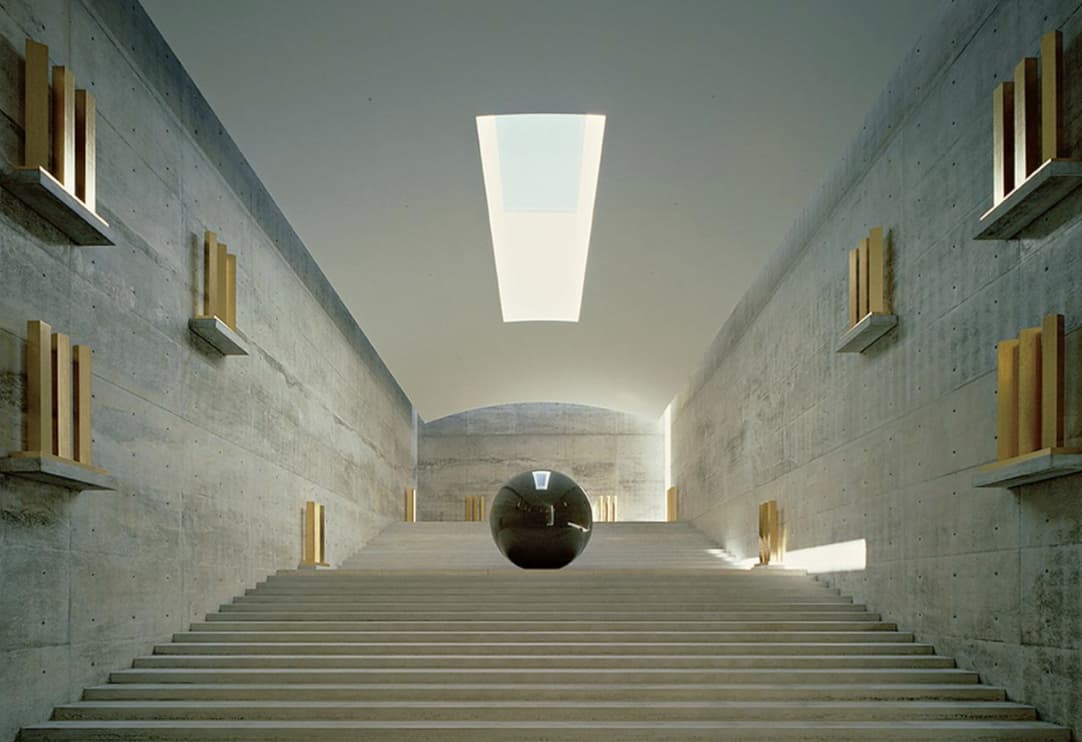
Restraint signals confidence. Confidence that the object, the place, or the encounter can stand without constant explanation, and that visitors are capable of meaning making without being guided at every step.
What it looks like in practice
- An exhibition without wall texts, where meaning emerges through proximity, material, and spatial rhythm, with interpretation available only afterward.
- A landscape route with no signage at all, guided instead by pacing, terrain, and subtle markers like stone, wood, or sound.
Why it matters
In a culture of excess signals, restraint feels rare. Rarity creates value.
4. Allowing experiences to move through space
Cultural experience is loosening its attachment to fixed locations.
Rather than anchoring meaning in buildings, experiences unfold across landscapes, routes, seasons, and temporary sites. Stories are carried by people, objects, and moments rather than walls. Institutions operate less as containers for content and more as platforms for presence.
This reflects a renewed awareness that place is not neutral. Meaning deepens when experiences respond to context rather than overriding it.
What it looks like in practice
- A seasonal exhibition that appears in different outdoor locations, adapting to weather, light, and local conditions.
- A museum that exists as a series of guided encounters along a walking route rather than within a single building.
Why it matters
The experience adapts to place, rather than asking place to adapt to it.
5. Starting from personal meaning, not universal narrative
Experiences are increasingly organized around the inner position of the visitor.
Rather than beginning with authoritative stories, they start with questions, choices, and tensions. Meaning is not asserted. It is discovered through engagement. This allows multiple interpretations to coexist without collapsing into indifference.
This shift reflects a broader skepticism toward singular narratives, whether historical, cultural, or institutional, and a desire for dialogue rather than instruction.
What it looks like in practice
- An exhibition that opens with a choice. Which question feels most urgent to you today. The route unfolds differently depending on that answer.
- A cultural trail offering multiple starting points based on mood, such as curiosity, grief, hope, or rest.
Why it matters
People do not need to be convinced that something matters. They need space to discover where it touches them.
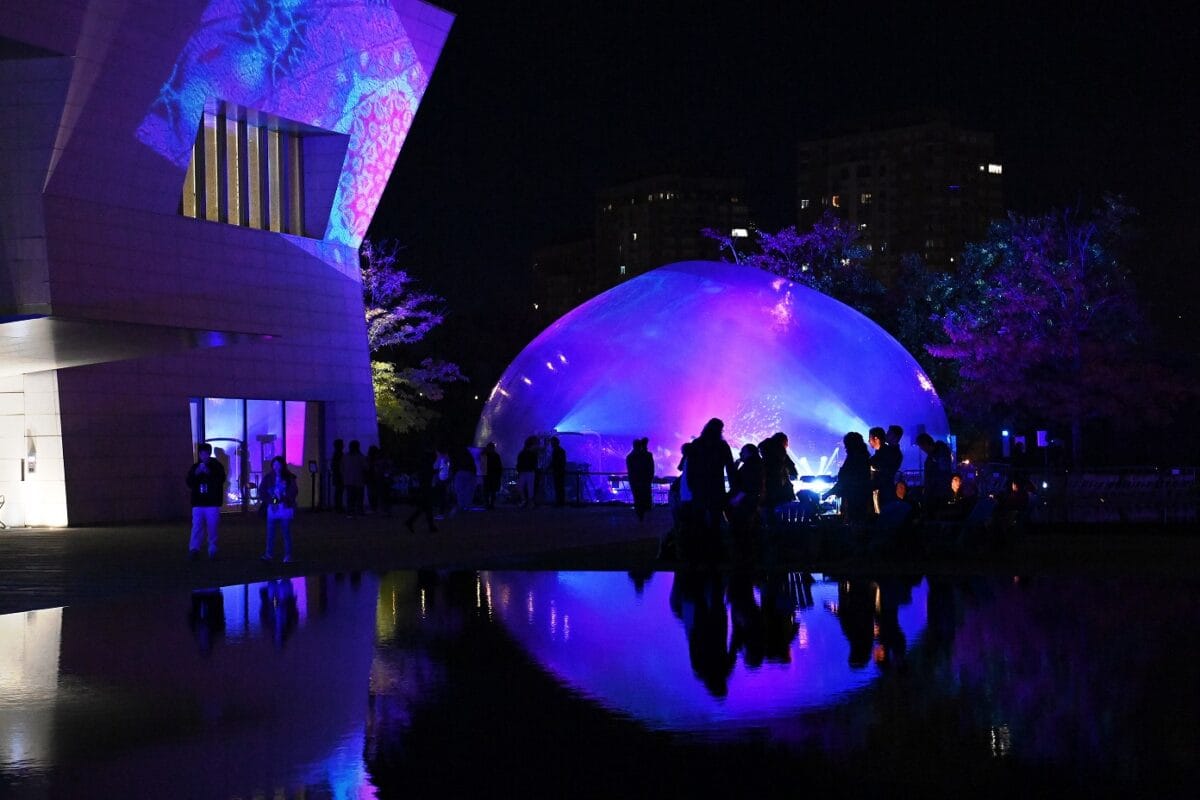
6. Working with night and transitional time
Experiences are expanding into moments that resist productivity.
Dusk, darkness, seasonal shifts, and other liminal states create a different relationship to time. They slow perception, heighten awareness, and invite reflection on continuity and change. These moments resist scaling, and that resistance is part of their value.
What it looks like in practice
- A landscape experience timed to sunset, where participants walk together and then separate for the final stretch in darkness.
- A city program exploring night as cultural space through storytelling, listening, and minimal lighting.
Why it matters
Liminal moments heighten awareness. They turn familiar places into thresholds.
7. Using speculation as a cultural practice
Experiences are no longer limited to what has been or what is.
They are increasingly engaging with possible futures through fictional scenarios, imagined landscapes, and speculative rituals. These are not predictions or forecasts. They are experiential tools for thinking, feeling, and talking about responsibility, consequence, and choice.
Speculation here is not escapism. It is a cultural practice that allows people to rehearse futures without committing to a single answer. It creates a space where uncertainty is acknowledged rather than resolved, and where collective imagination becomes a form of civic engagement.
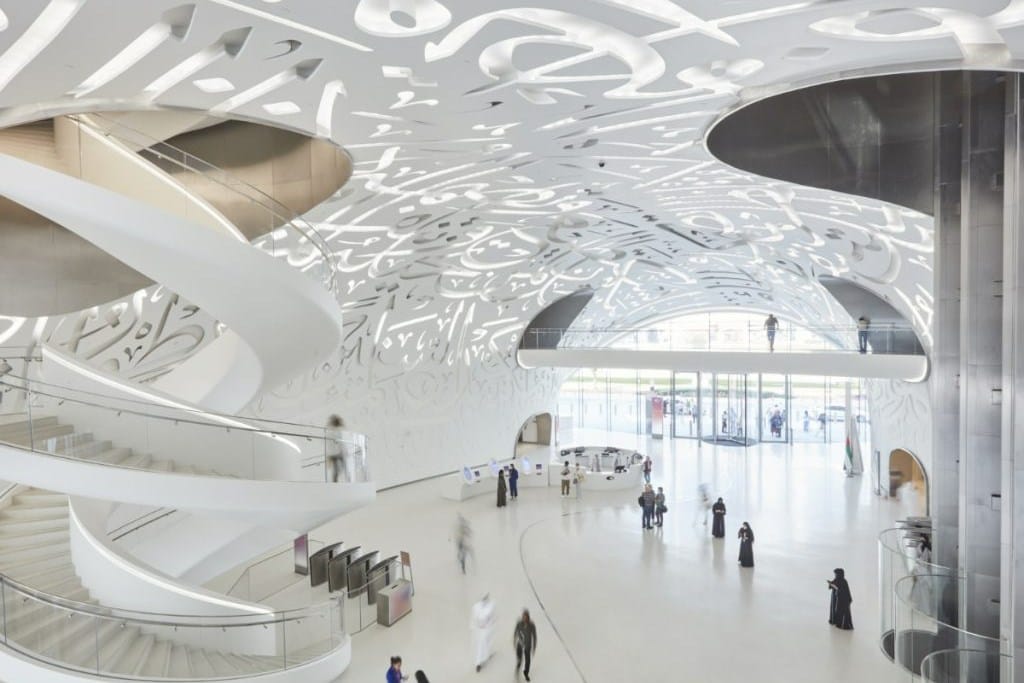
Importantly, speculative experiences also redistribute authority. Instead of telling people what will happen, they ask what could happen, and what kind of future feels inhabitable. This invites ethical reflection without moralizing, and participation without requiring expertise.
What it looks like in practice
- An exhibition presenting three future scenarios for a region, each with its own spatial atmosphere, rules, and consequences. Visitors choose one to inhabit for the duration of their visit.
- A speculative walking route where markers describe what this landscape could become in 30 or 50 years, depending on environmental and social choices.
Why it matters
Speculation makes futures tangible and emotionally accessible. It creates shared language for uncertainty and allows people to engage with long term questions without requiring consensus.
8. Intimacy over scale
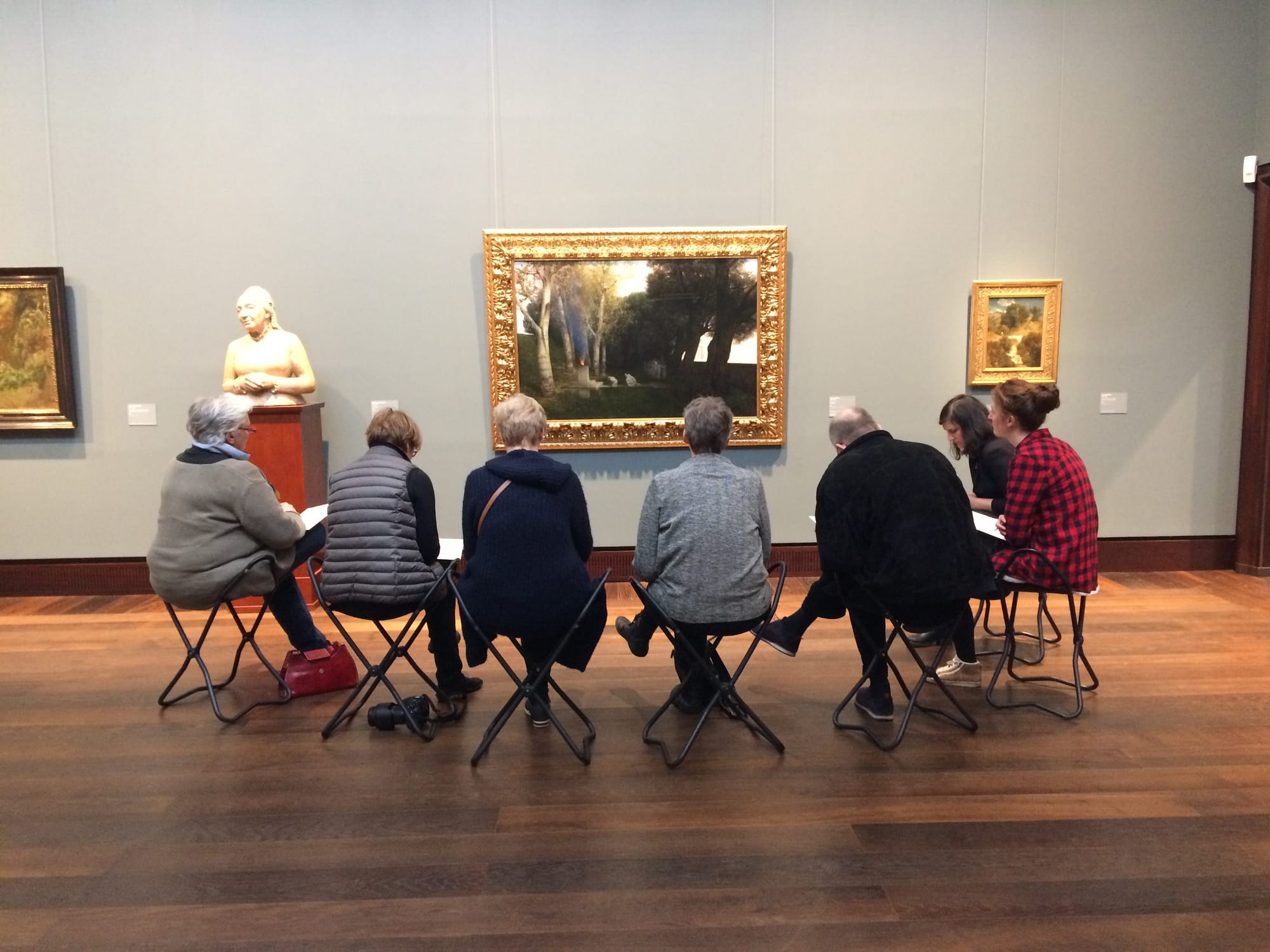
Value is shifting away from mass participation toward carefully held encounters.
Experiences designed for one person or small groups allow for trust, responsiveness, and care. They require fewer resources, but greater attention. Their power lies not in reach, but in presence.
This shift challenges long standing assumptions about impact, but reflects a growing recognition that meaning does not scale linearly.
What it looks like in practice
- A one on one guided museum visit shaped entirely by the visitor’s questions.
- A small group outdoor experience limited to four participants, supported by a single facilitator.
Why it matters
Intimacy creates trust. Trust creates meaning.
What this direction asks at the start of the year
Taken together, these movements point toward a clear reorientation.
Experiences are becoming quieter, more situational, and more relational. They ask institutions to be precise, to decide what they protect, what they let go of, and how they want to relate to people and place over time.
This is not a call for reinvention.
It is a call for attention.
To design less.
To choose more carefully.
And to treat experience not as an offering to be consumed, but as a relationship that unfolds.