TWIL #26: From Amber to Dino Families
Every Sunday, I share a few of my learnings, reflections, and curiosities from the week. Things I stumbled upon, things I questioned, things that made me look twice. It’s not about being right or complete… it’s about noticing, wondering, and learning out loud.
Thanks for reading. I hope it sparks something for you too.
This week I got caught in the web of dinosaurs. I absolutely love dinosaurs and fossils. Secretly, I always dreamed of becoming a dinosaur researcher, digging up ancient bones in dusty corners of the world.
I fell into a drop of Amber
I was listening to Dinocast the other day, the Dutch podcast that brings the world of dino’s alive. In this episode they were talking about amber: that warm, golden stone you find in old jewelry boxes or on Baltic beaches. A piece of ancient tree resin that glows like a drop of sunlight frozen in your palm.
I knew the Jurassic Park story, of course: a mosquito, full of dinosaur blood, trapped in amber for millions of years. Crack it open, extract the DNA, clone a T. rex. But I never really stopped to ask: could that actually work? And what does amber really hold?
So here are the facts:
- Amber is fossilized tree resin, not sap. Sticky resin that oozed out to heal a wound in the bark of an ancient tree.
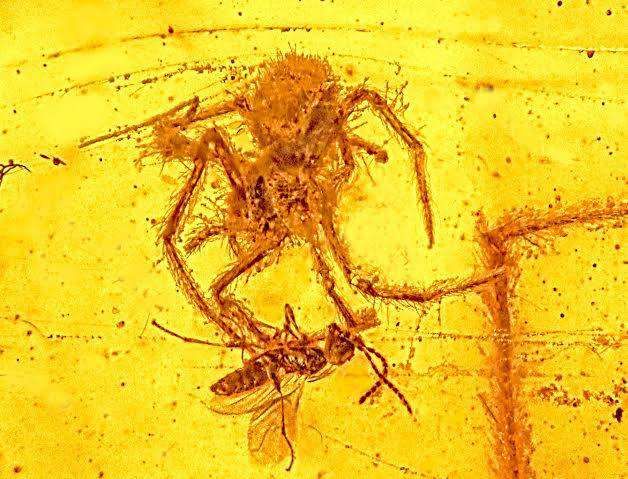
- Anything tiny enough got trapped: ants, gnats, beetles, spiders, pollen, a wisp of a feather.
- Over millions of years, the resin hardened, buried underground, transforming into the warm, glossy lumps we polish and wear today.
- Huge quantities exist, hidden under forests and coastlines. Entire forgotten worlds sealed in gold.
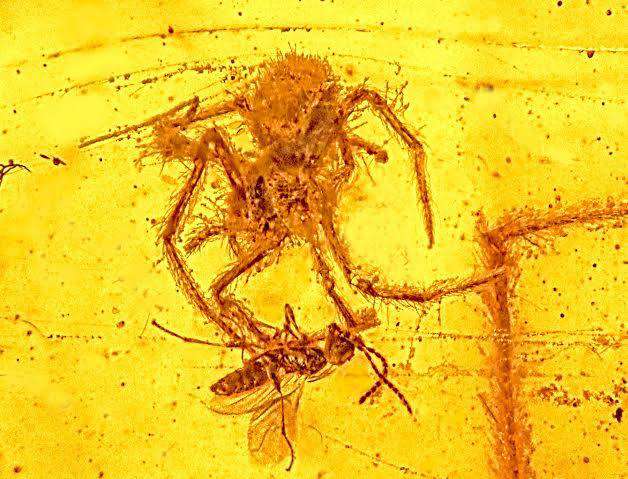
But here’s the thing: Jurassic Park gave us roaring monsters, massive teeth and thunderous footsteps. Amber tells a different story. It shows us not the giants, but the tiny kingdoms that lived under their feet: the buzzing insects, the crawling mites, the soft bits of the forest floor that rarely fossilize any other way.
It turns out, DNA doesn’t last inside amber the way we hoped. The soft insides decay long before the resin hardens. The researchers who drilled for prehistoric DNA in the 1990s thought they’d cracked the code… but when they sequenced it many years later, they found only us. Human contamination. The only thing perfectly preserved was our own wishful fingerprints.
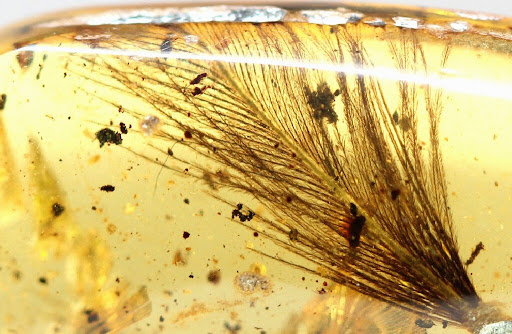
No dinosaurs. But maybe that’s better. Because amber doesn’t just show us one massive predator. It reveals millions of tiny lives that made up the real world of the dinosaurs:
- Entire forests alive with insects.
- Tiny parasites clinging to feathers.
- A single moment, a fly caught mid-buzz, frozen for 100 million years.
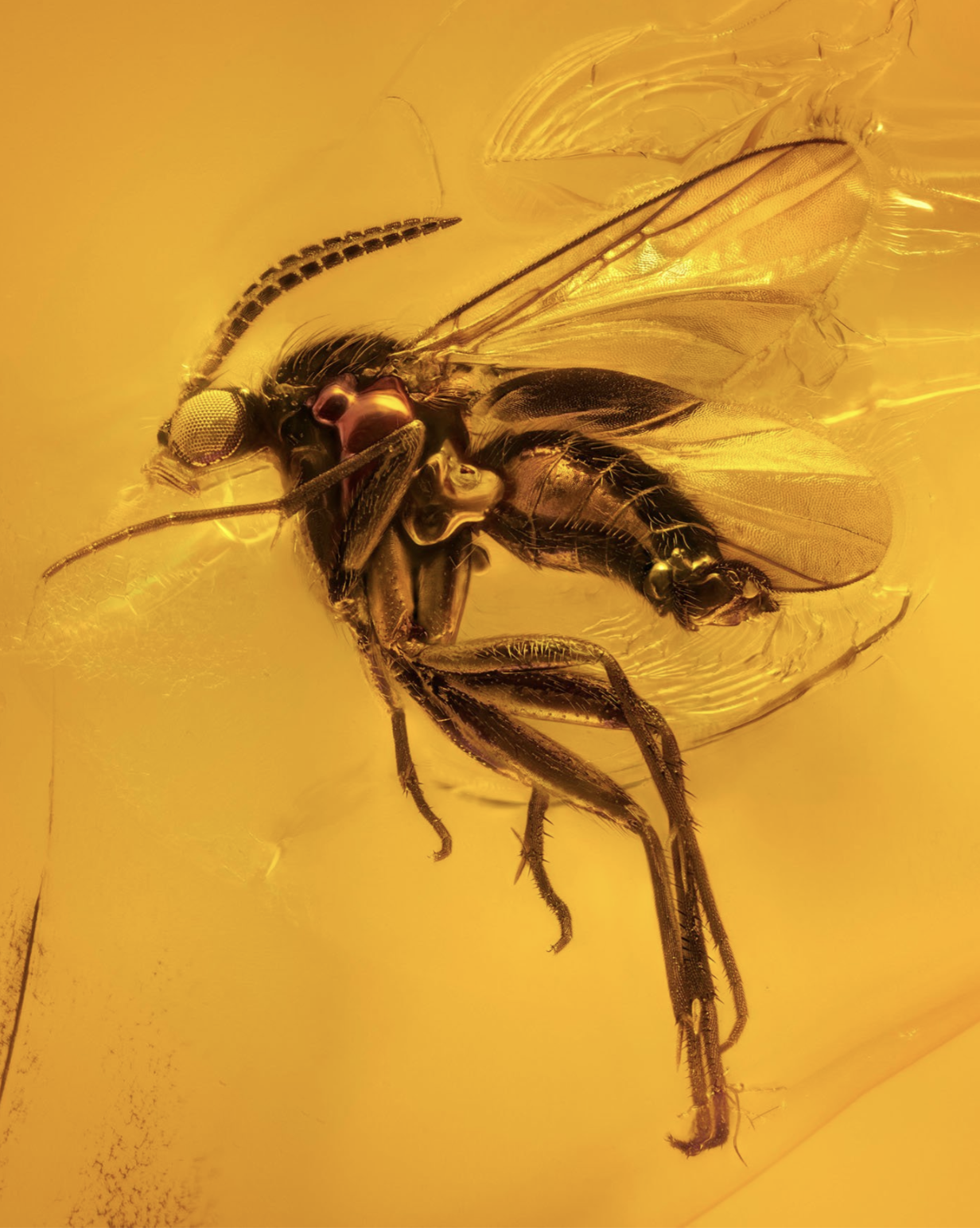
Next time you hold a piece of amber to the sun, remember: we may never clone a T. rex, but we can look into a drop of golden resin and see the forgotten kingdoms that really ruled the Jurassic world. Too small to roar, but countless, busy, and beautifully alive.
And maybe that’s the richer story after all.
Allosaurus, Spinosaurus, T. rex: The dino family that never met
We love to picture them together: Allosaurus, Spinosaurus, Tyrannosaurus rex, giant, meat-eating dinosaurs stomping through the same jungle, roaring and fighting over the same unlucky prey. In movies, books, and toy boxes, they feel like old friends from one big prehistoric party.
But here’s the surprising thing: they were never together. In fact, they were so far apart in time they’re more like distant cousins who never even met.
For non-dino lovers, here’s the big picture:
All three belonged to a group called theropods: the family of two-legged, mostly meat-eating dinosaurs. But within that family, they were on very different branches. Each one lived millions of years apart, in different parts of the world, with its own unique style.
So who were they, really?
Allosaurus
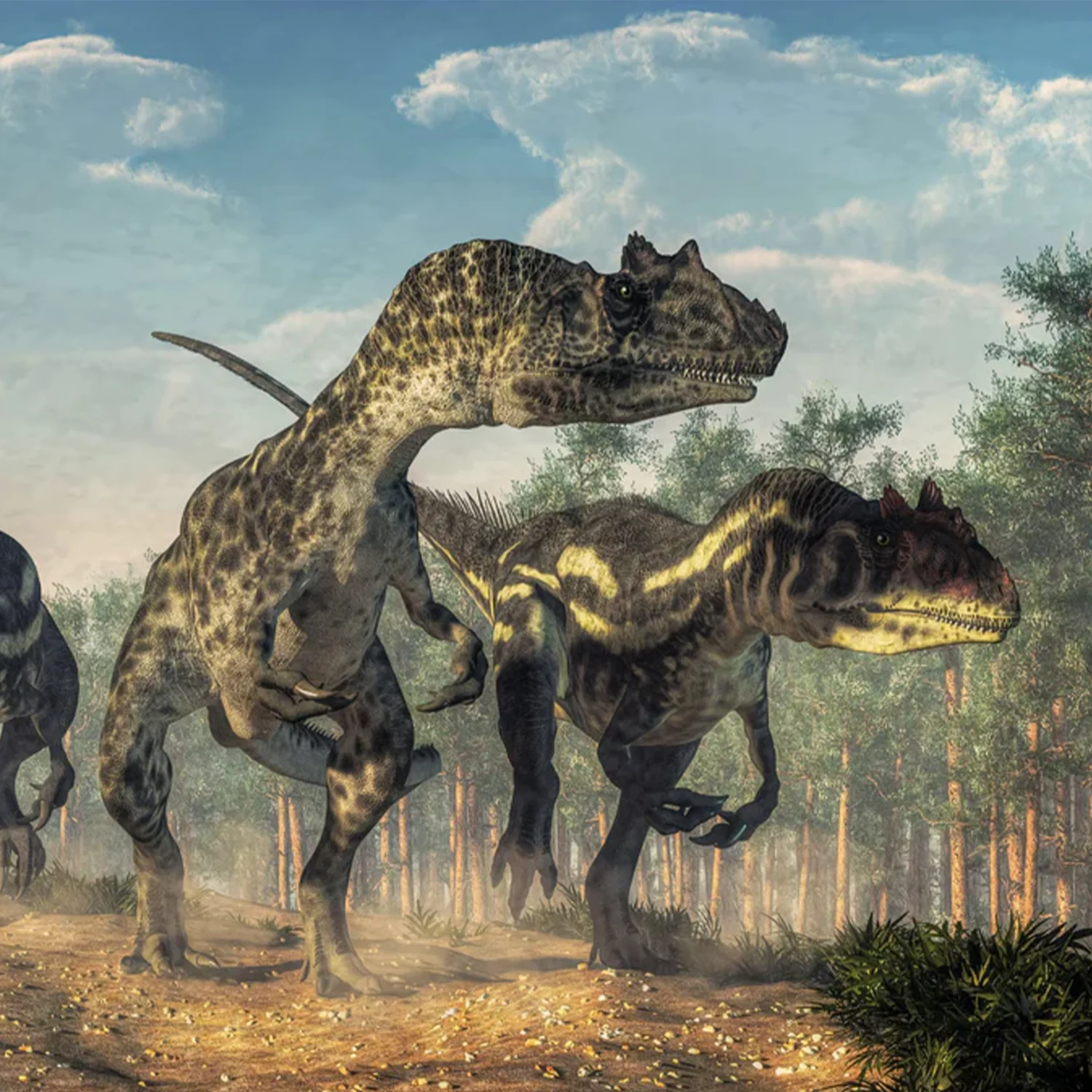
Lived about 150 million years ago, during the Jurassic Period. Think of Allosaurus as an early big predator: around the size of a bus, with serious sharp claws, big teeth, and strong legs for chasing giant plant-eaters like Apatosaurus (the long-necked dinosaurs). It was fast and fierce. Much like a Jurassic lion.
Spinosaurus
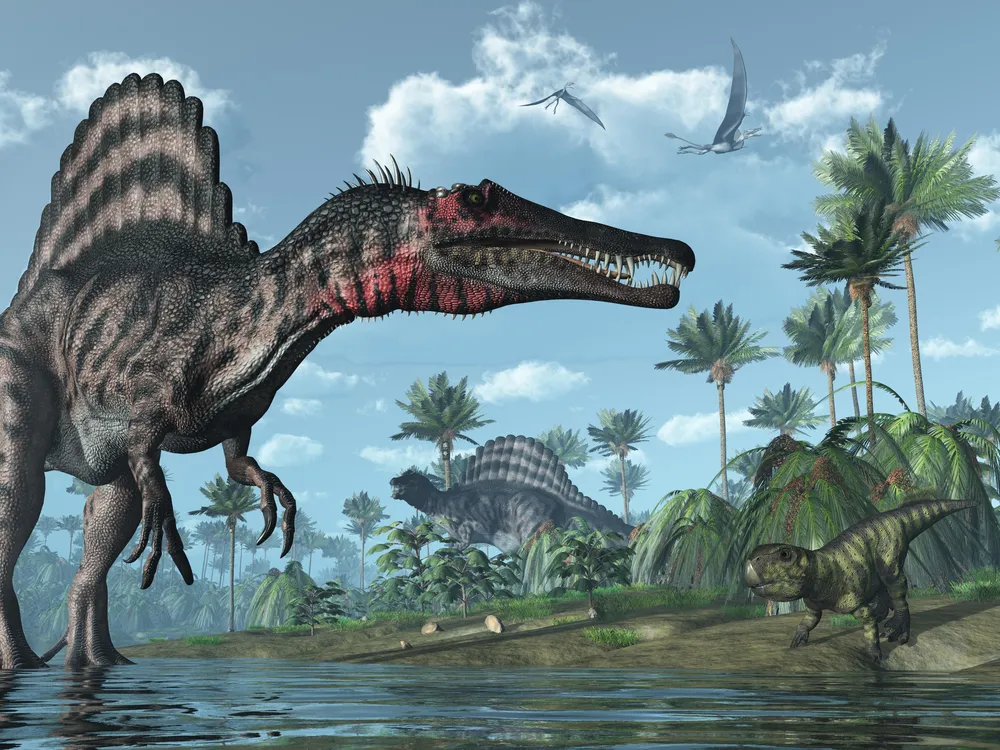
Spinosaurus came along about 100 million years ago, in what’s now North Africa. Spinosaurus was one of the weirdest big predators ever. It was longer than T. rex, had a long crocodile-like snout for catching fish, and a huge sail on its back: tall ridge of spines that made it look like a walking fin. It probably spent lots of time swimming and hunting in rivers.
Tyrannosaurus rex
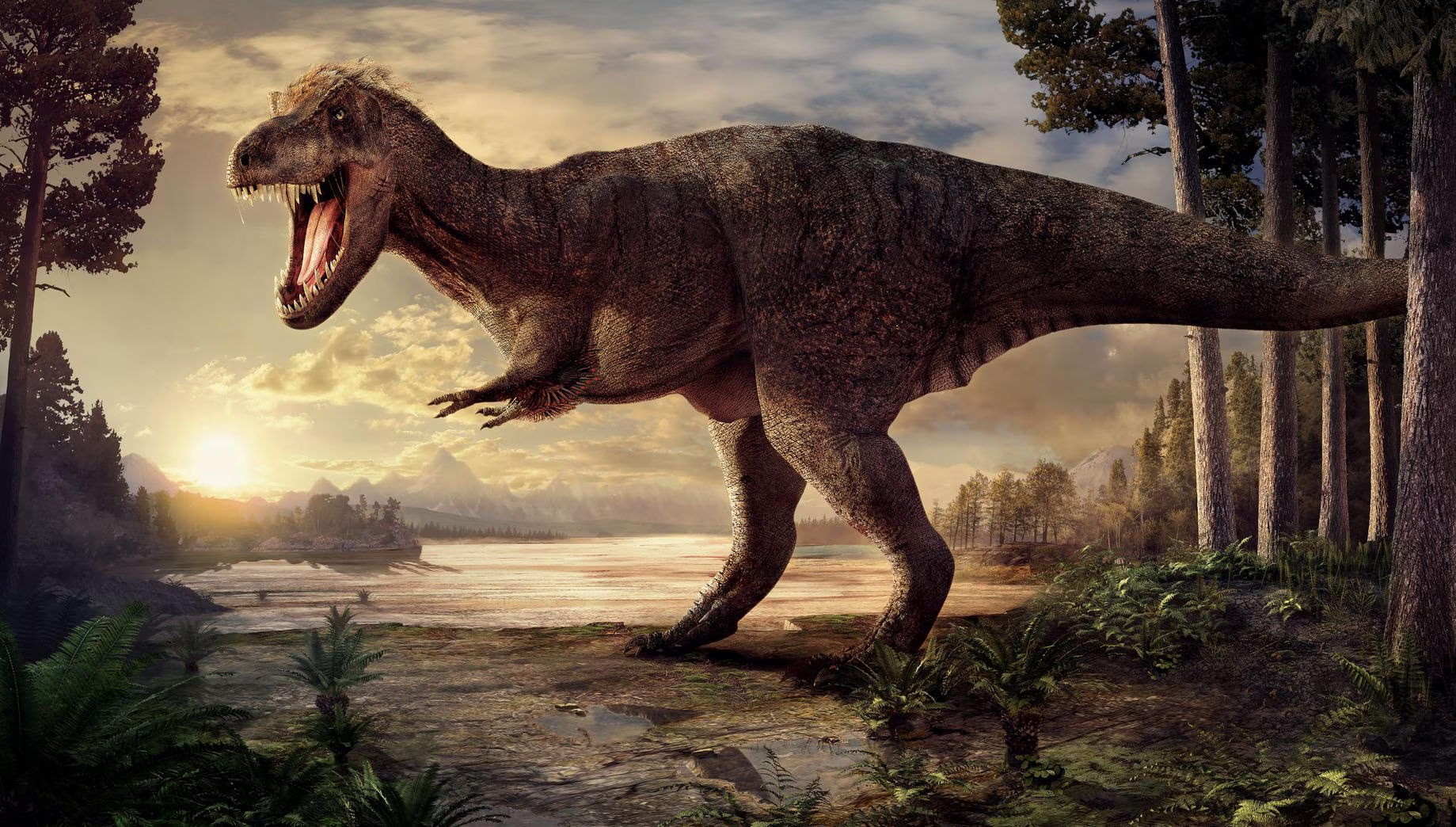
Showed up much later, about 66 million years ago, right at the end of the dinosaur age. T. rex is the superstar: massive jaws, banana-sized teeth, bone-crushing bite... but also ridiculously tiny arms. It was probably the top predator of its time, hunting big prey and maybe stealing from others. But it only existed for a few million years before the asteroid wiped out the dinosaurs.
The big surprise
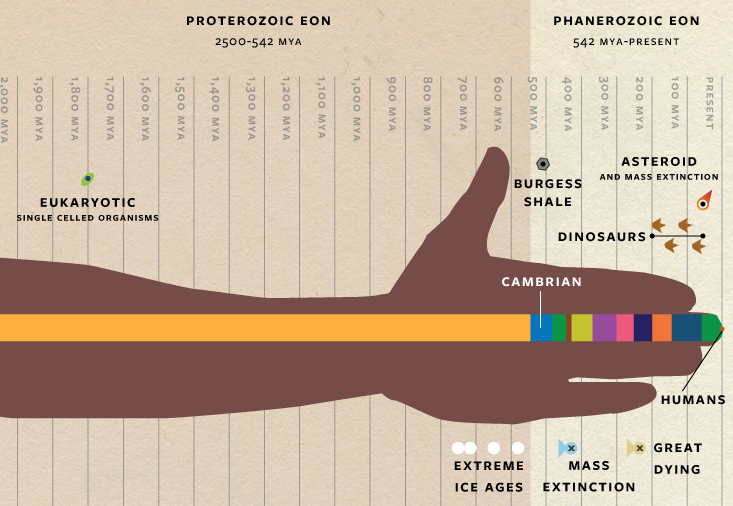
There’s about 85 million years between Allosaurus and T. rex. That’s almost 300 times longer than modern humans have existed. We’ve only been around for about 300,000 years. So while these dinosaurs seem like one big family, they’re really spread out across huge stretches of time.
I came across this great article that explores Earth’s time, with great visuals, linking to an article with this visual below:
Were these dino’s related?
So they all belonged to the larger theropod group, but they weren’t direct ancestors of each other. T. rex is actually closer on the family tree to modern birds, like chickens, than it is to Allosaurus. That branch didn’t fully die out. It just shrank, grew feathers, and took to the skies.
So next time you see them lined up together in a museum or a toy box, remember: they never hunted side by side. They’re not a dinosaur family reunion… they’re nature’s way of trying the same idea again and again, always changing, always surprising.
And us? We’re the new kids, digging them up, piecing the story together. One fossil at a time.
A toothache? Blame an ancient fish
The fun part about curiosity is that it always brings you new rabbit holes to dive into. This week, I found a dinosaur news page and stumbled on an article that made me see my teeth in a whole new way.
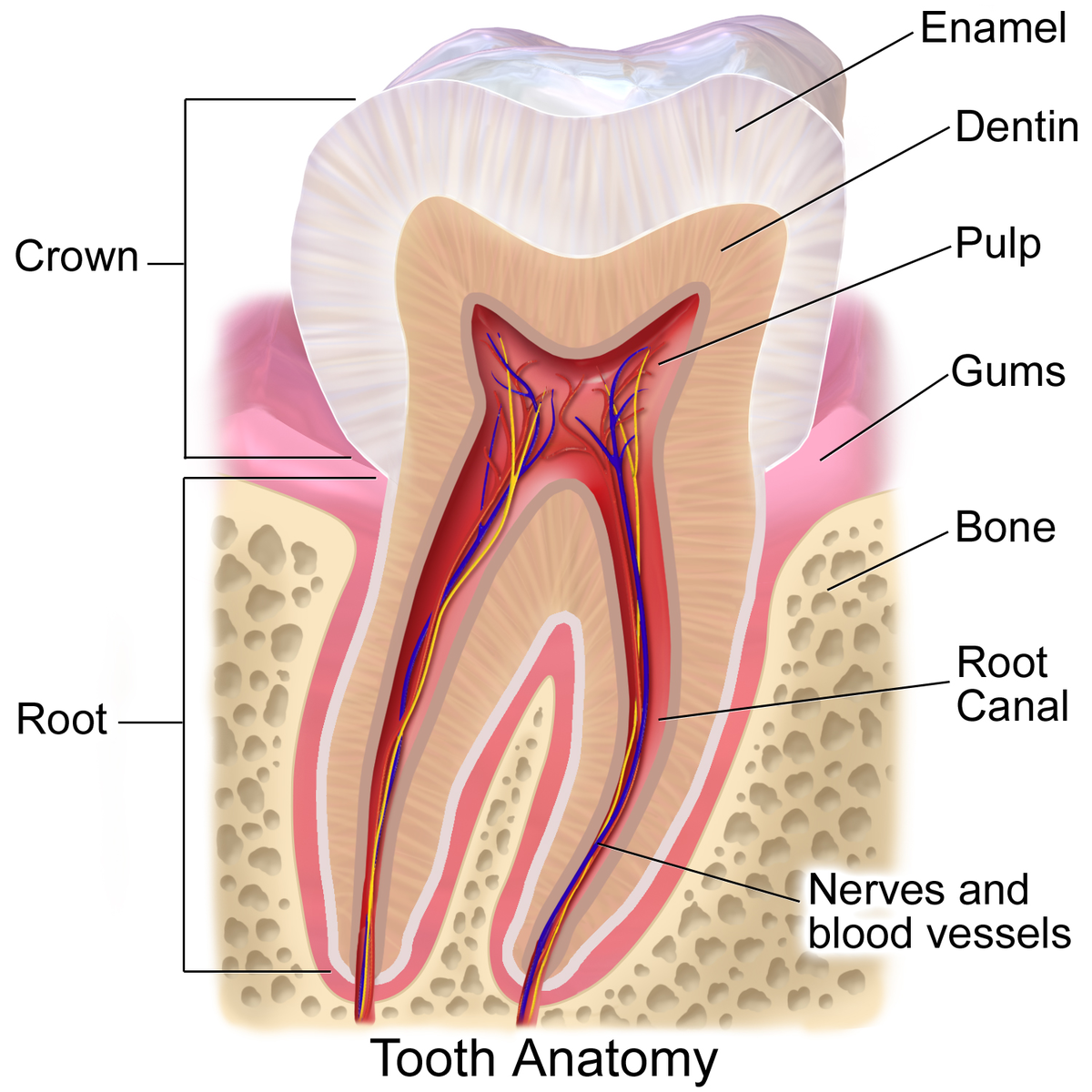
Ever wince when you bite into something cold? That sharp zap of pain comes from the dentin inside your teeth; the sensitive layer that connects the hard enamel to the nerves deep inside.
But here’s the twist: dentin didn’t evolve for chewing at all. About 465 million years ago, ancient armored fish wore dentin on the outside of their bodies. It formed tough, bumpy plates that acted like built-in shields. But these shields were special. They were covered in tiny sensory structures that helped the fish feel vibrations and sense the world around them.
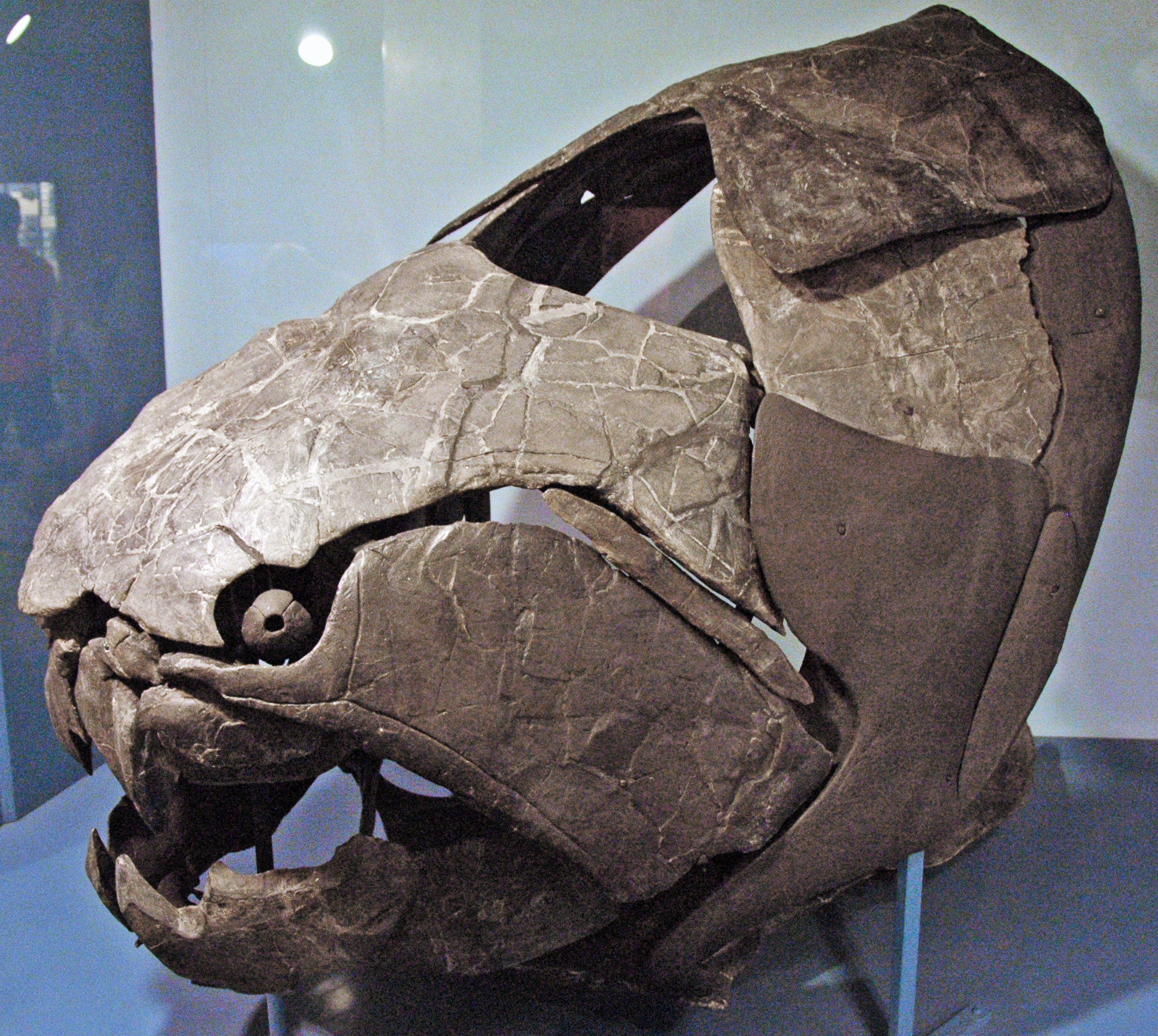
Over millions of years, evolution got creative. As fish developed jaws and began biting instead of just sucking or filtering food, that same protective tissue moved inside the mouth. The armor bumps turned into tooth bumps and the ancient sensory shield became the sharp, nerve-connected teeth we still use (and sometimes regret) today.
So next time your dentist hits a nerve, remember: your toothache is really a 465-million-year-old piece of fish armor, still doing its job inside your mouth.
Wishing you a great Summer! Not sure if I will post in the coming weeks, but who knows…