TWIL #55: From Knights to Human Connection
Every Sunday, I write down a few things that caught my attention that week: details I tripped over, ideas that lingered, questions I needed to understand by putting them into words. This isn’t about being right or complete. It’s about noticing, wondering, and thinking on the page.
Thanks for reading. I hope something here sparks.
When the knights came to fight
I knew World War I was a transition war.
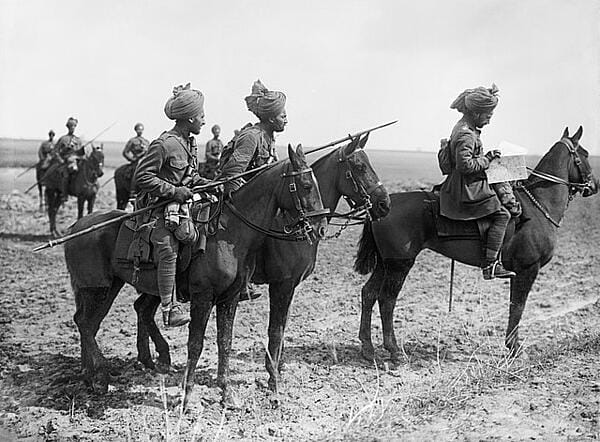
Bright uniforms. Cavalry charges. Sabres against machine guns.
What I didn’t know was this: in 1914, some soldiers went to war wearing chainmail.
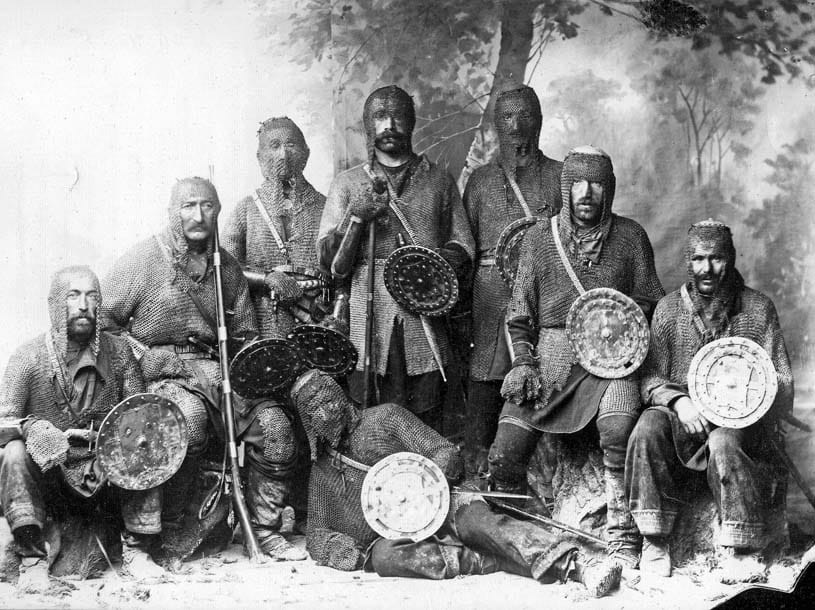
From the mountains of Georgia, the Khevsurs heard there was a war. They arrived on the Caucasus front carrying swords, shields, and medieval armor. Gear that looked absurdly out of time, except it wasn’t. In their world, close combat, honor, and personal defense had never stopped being relevant.
The Khevsurs lived in fortified stone villages like Shatili, governed by customary law and ritualized violence. Chainmail survived because the conditions that made it useful survived. Progress hadn’t reached the mountains evenly.
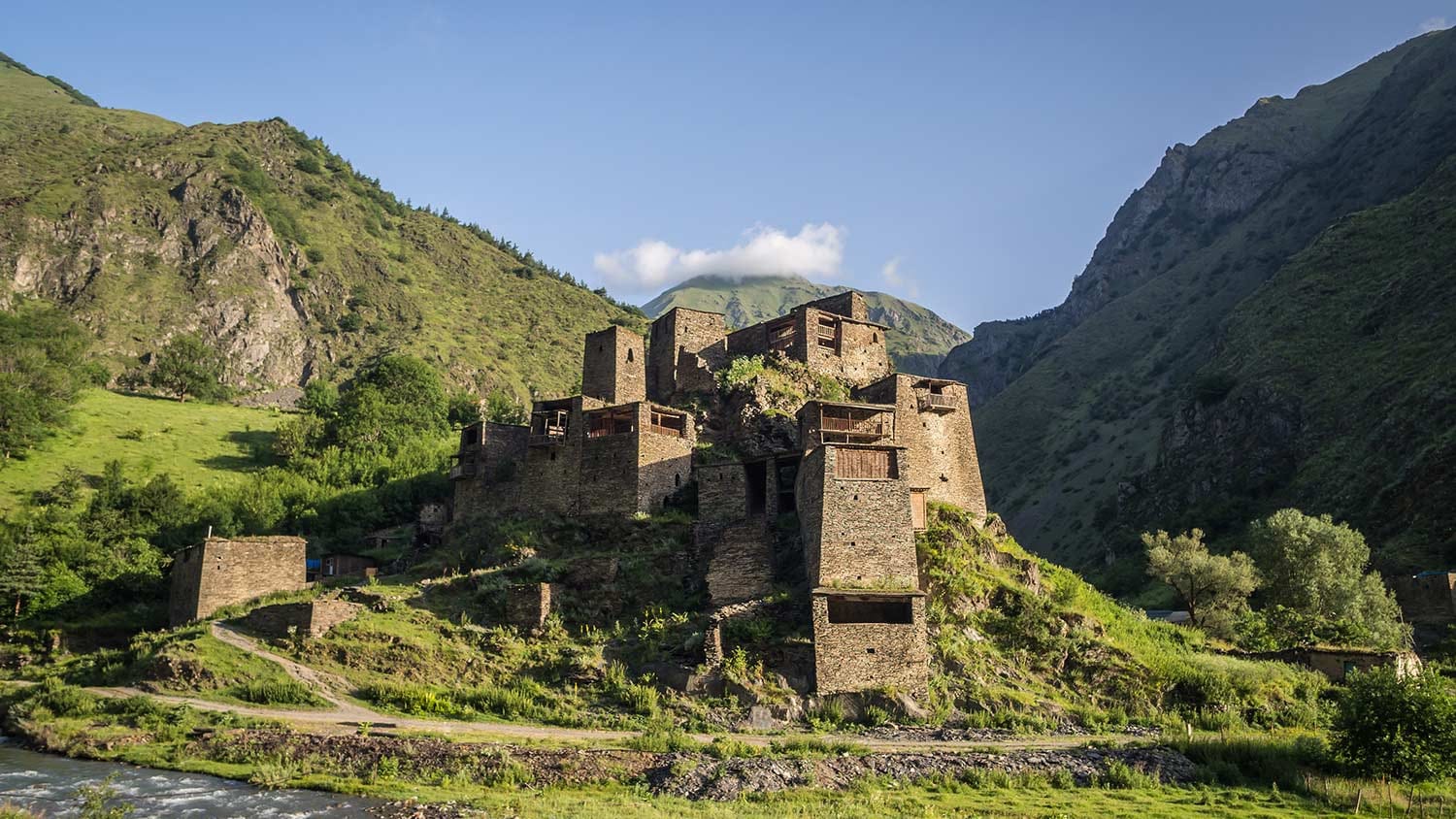
World War I didn’t just modernize warfare. It exposed something we prefer to forget: history doesn’t move at one speed. While Europe talked about the end of the medieval world, some communities were still living it.
I find it interesting that we keep looking at the world through a single pair of goggles, assuming time advances like a parade: one era neatly replacing the next. Medieval → modern → now. Clean. Linear. Reassuring. But the Khevsurs remind us that history meanders. It pools. It skips. It survives in pockets shaped by landscape, isolation, and need.
What we often call “backward” is really “out of sync with us.”
After the war, Soviet resettlement policies emptied the high valleys. Armor went to museums. The knight became folklore.
What interests me isn’t the romance of medieval warriors in a modern war.
It’s the uncomfortable insight beneath it: modernization doesn’t replace the past—it erases it selectively.
Walking into someone else’s world
While working on project proposals about designing meaningful experiences, I keep returning to the same question: How do we connect people. To each other, and to the landscape around them.
This reminded me of A Mile in My Shoes.
Walking while listening to someone else’s story. Sharing time and space through another perspective. Simple, but powerful.
It feels closely related to how public spaces and landscapes can work. Not as backdrops, but as quiet connectors.
I wrote earlier about this idea of shared wonder and designing spaces for connection. Coming back to it now, it feels like a necessity.
We do not just need better places.
We need more ways to meet each other within them.
When borders moved faster than people: Pakistan
I was listening to a podcast about Pakistan, and it reminded me how much history many of us never really learned. Not because it is hidden, but because it sits between categories. Too recent to feel ancient. Too complex to fit neatly into schoolbook timelines.
It starts with the Partition of India.
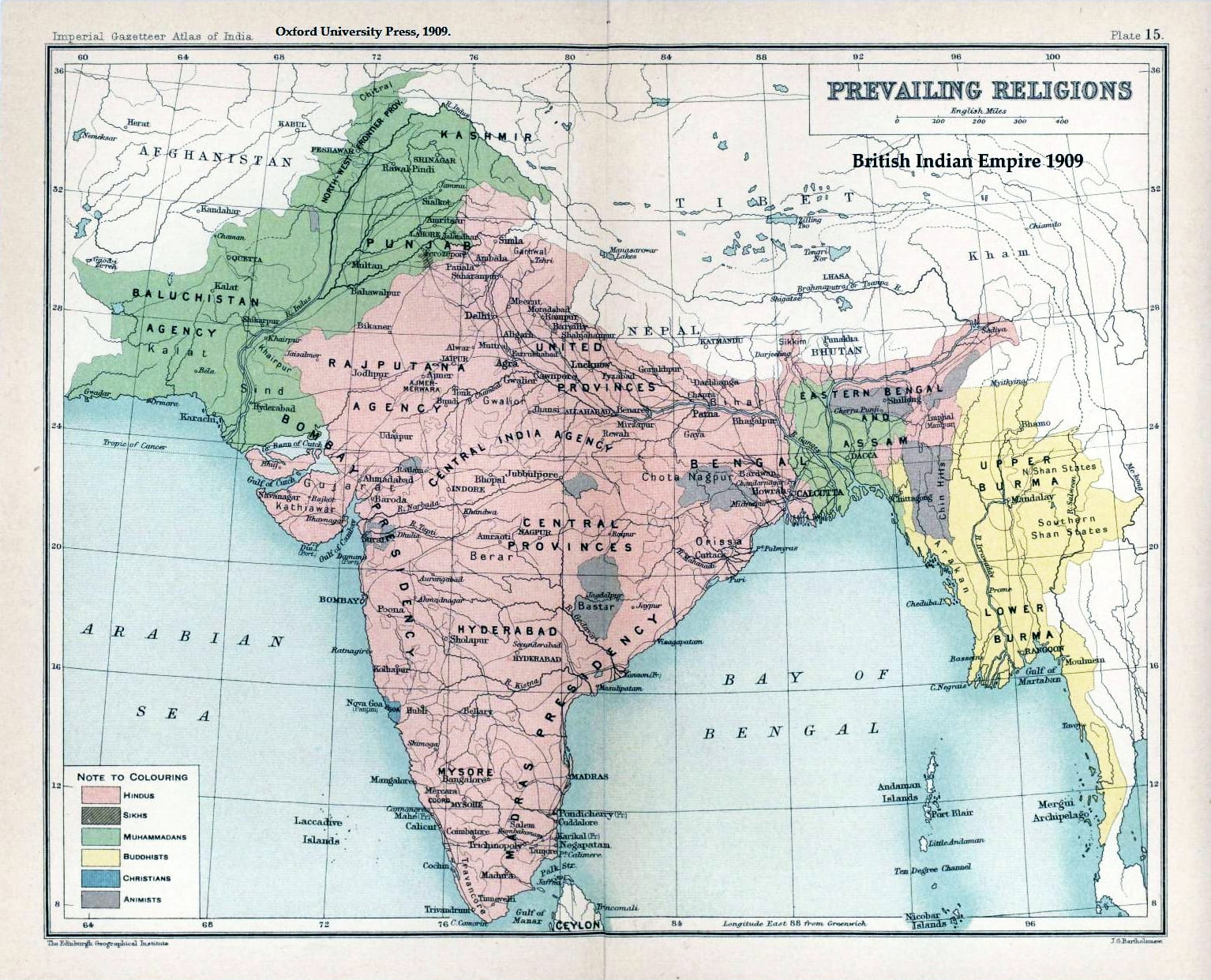
In 1947, as British rule ended, the Indian subcontinent was split into two new nations, India and Pakistan. The idea sounded simple. Create a homeland for Muslims alongside a predominantly Hindu India. The reality was anything but simple.
Borders were drawn quickly. Almost abstractly. Then people had to move.
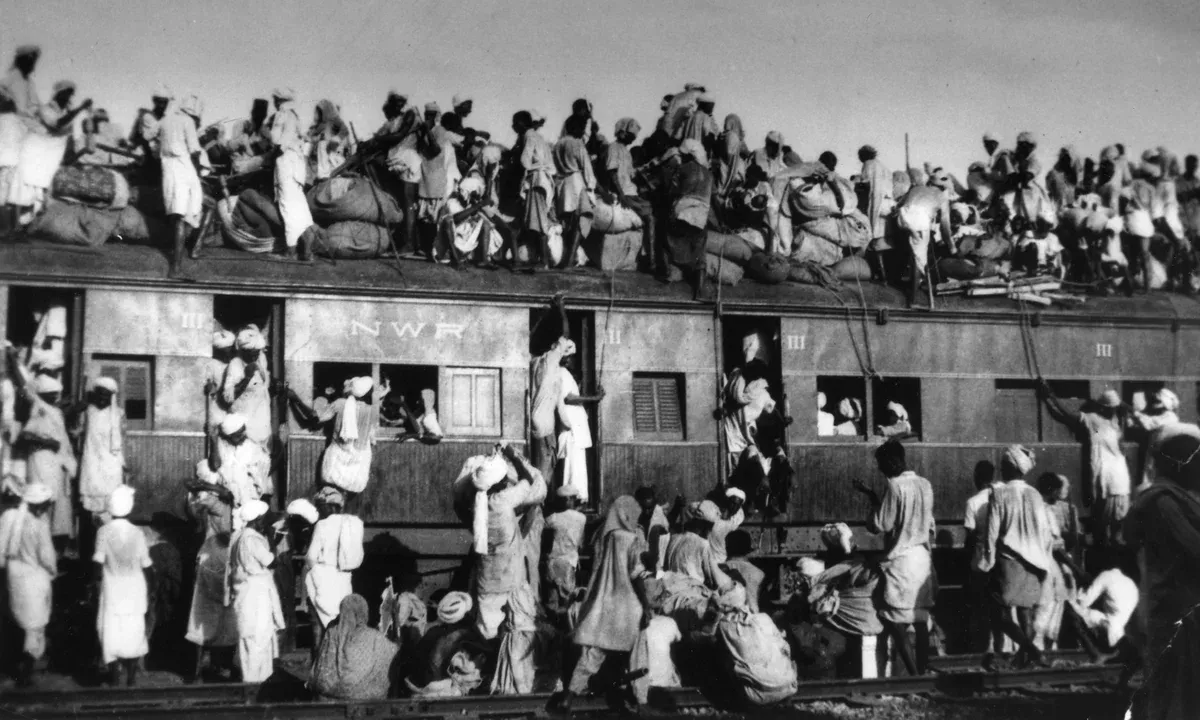
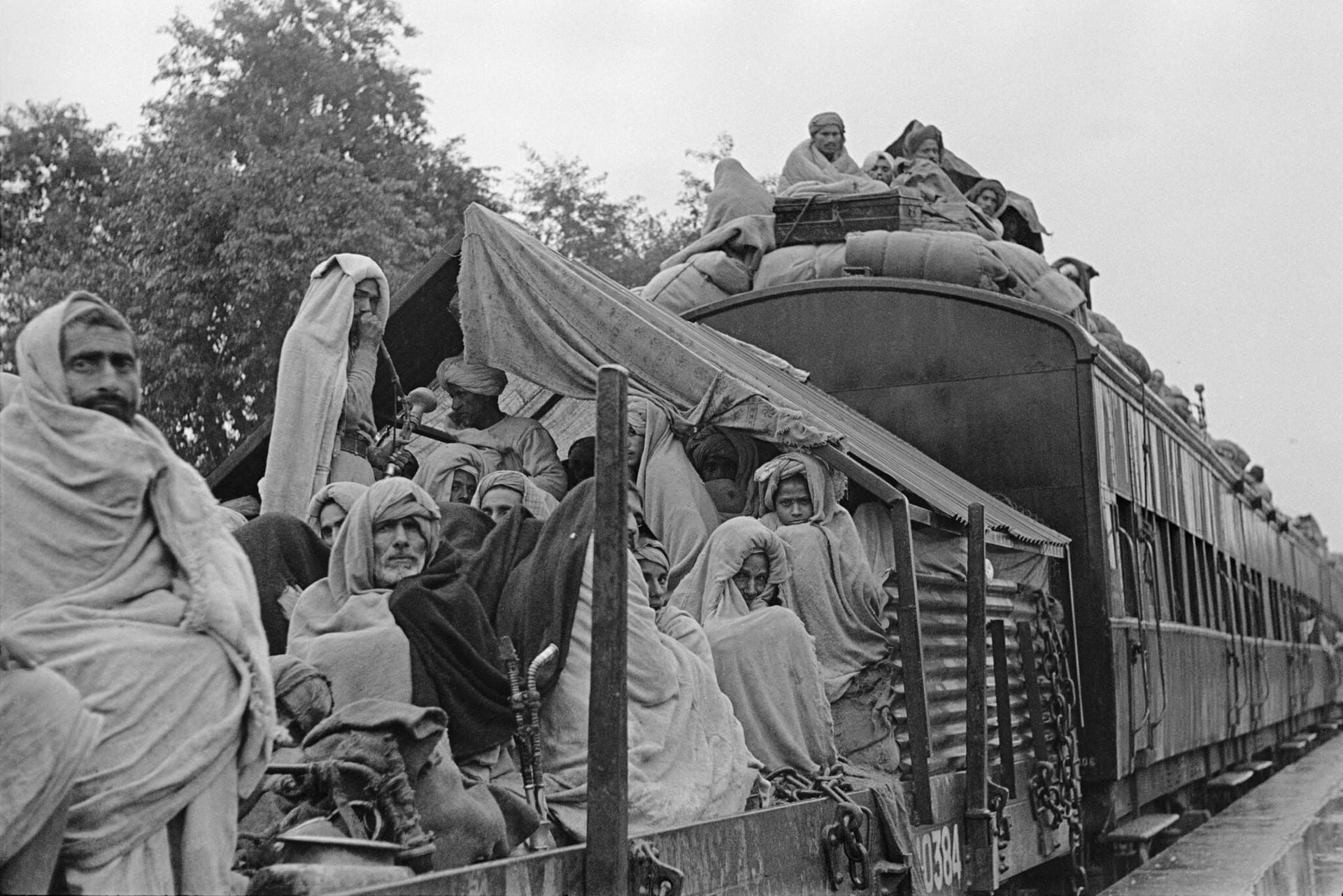
Around 14 million people were forced to migrate. Muslims moved toward the new Pakistan. Hindus and Sikhs moved toward India. Families left homes they had lived in for generations. Trains were overcrowded. Villages emptied overnight. Violence followed the new lines on the map.
Up to a million people died. Possibly more.
Not in a distant past, but within living memory.
Only after that rupture does the name Pakistan fully come into focus.
Pakistan is not just a name. It is an acronym.
P for Punjab. A for Afghania, roughly today’s Khyber Pakhtunkhwa. K for Kashmir. S for Sindh. And “stan” from Baluchistan.
A country assembled from regions, spelled into existence letter by letter.
And then comes the part I really did not know. Pakistan was not one continuous country.
From 1947 to 1971, it existed in two parts. West Pakistan and East Pakistan, separated by more than 1,600 kilometers of Indian territory.
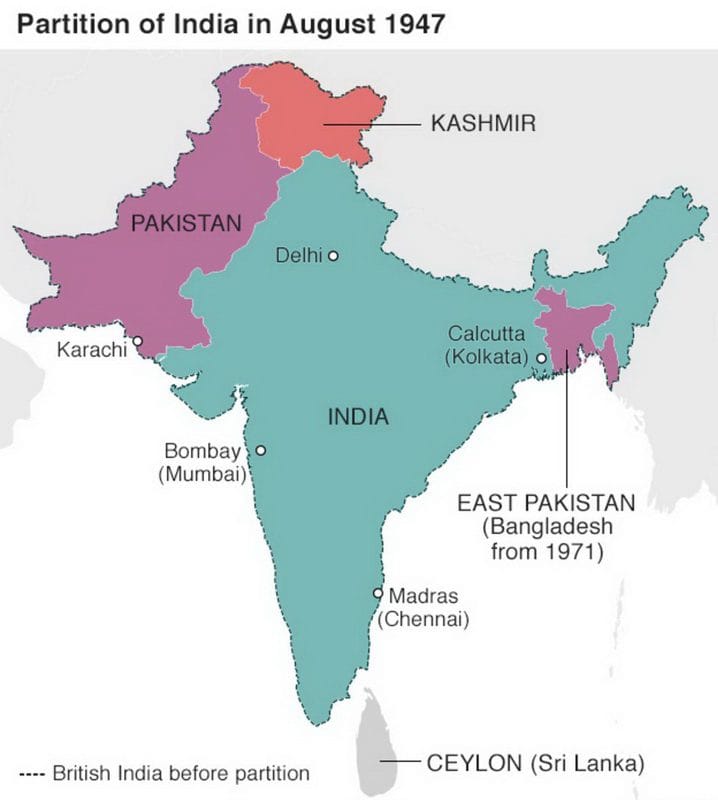
No shared border.
Different languages.
Different cultures.
East Pakistan, largely Bengali speaking, actually had the larger population. West Pakistan held most of the political power, the military, and the capital. The assumption was that shared religion would be enough to hold it together.
It was not.
Language protests, economic inequality, and political exclusion slowly widened the gap. In 1971, the tension finally broke. East Pakistan became Bangladesh.
What stays with me is how orderly this history can sound when summarized. Partition. Naming. Borders. Separation. As if it were a sequence of reasonable steps.
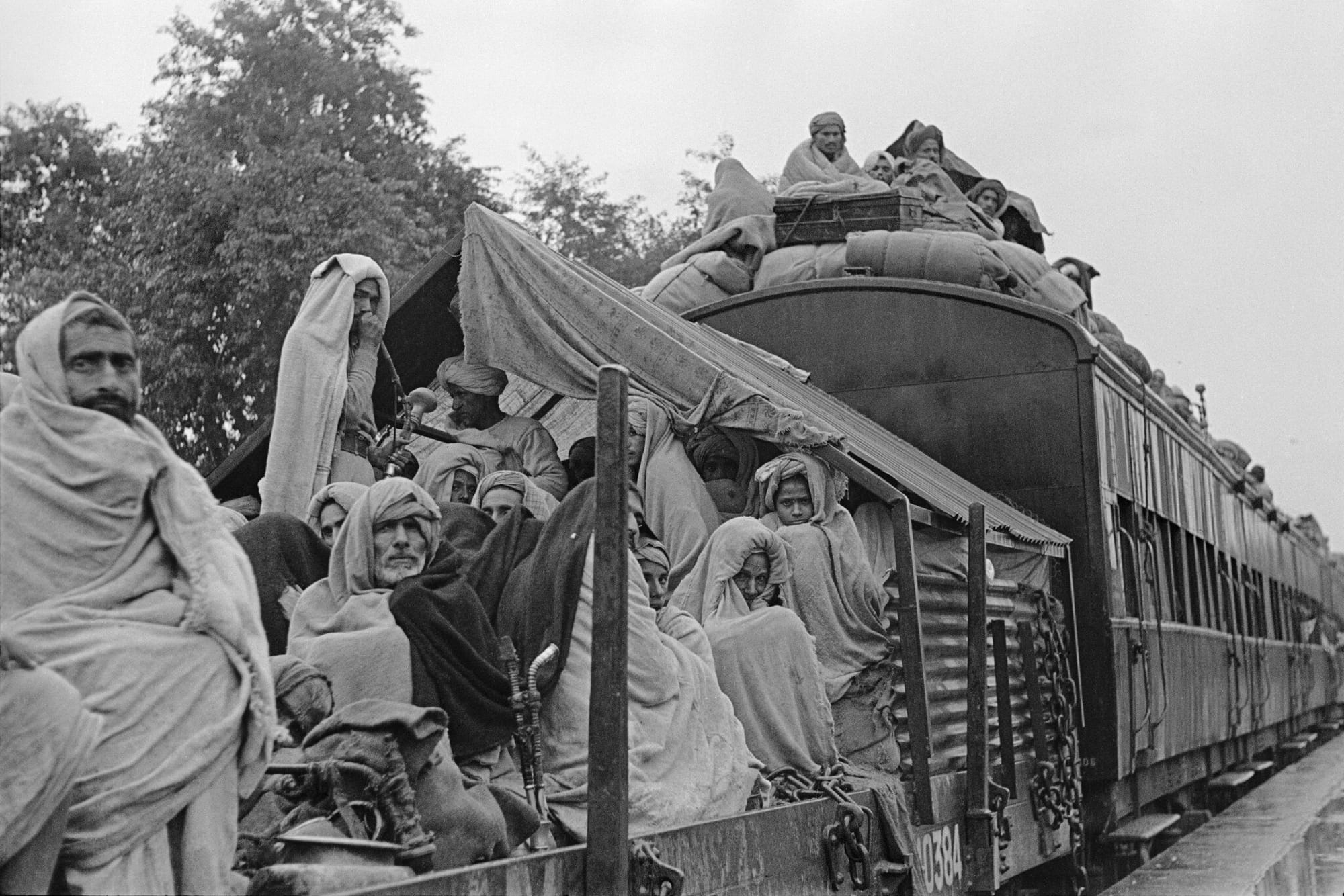
But beneath it were people moving, losing, adapting, often without choice.
Maybe that is the quiet lesson here. Nations are not just drawn on maps. They are lived. And when lines are drawn faster than people can follow, the cost is never abstract.