TWIL #42: From Death Masks to Connected Cities
Every Sunday, I share a few of my learnings, reflections, and curiosities from the week. Things I stumbled upon, things I questioned, things that made me look twice. It’s not about being right or complete… it’s about noticing, wondering, and learning out loud.
Thanks for reading. I hope it sparks something for you too.
The faces we try to keep
It’s been a while since I last read a Dan Brown novel. But I’ve picked up Inferno, and I’m hooked again.
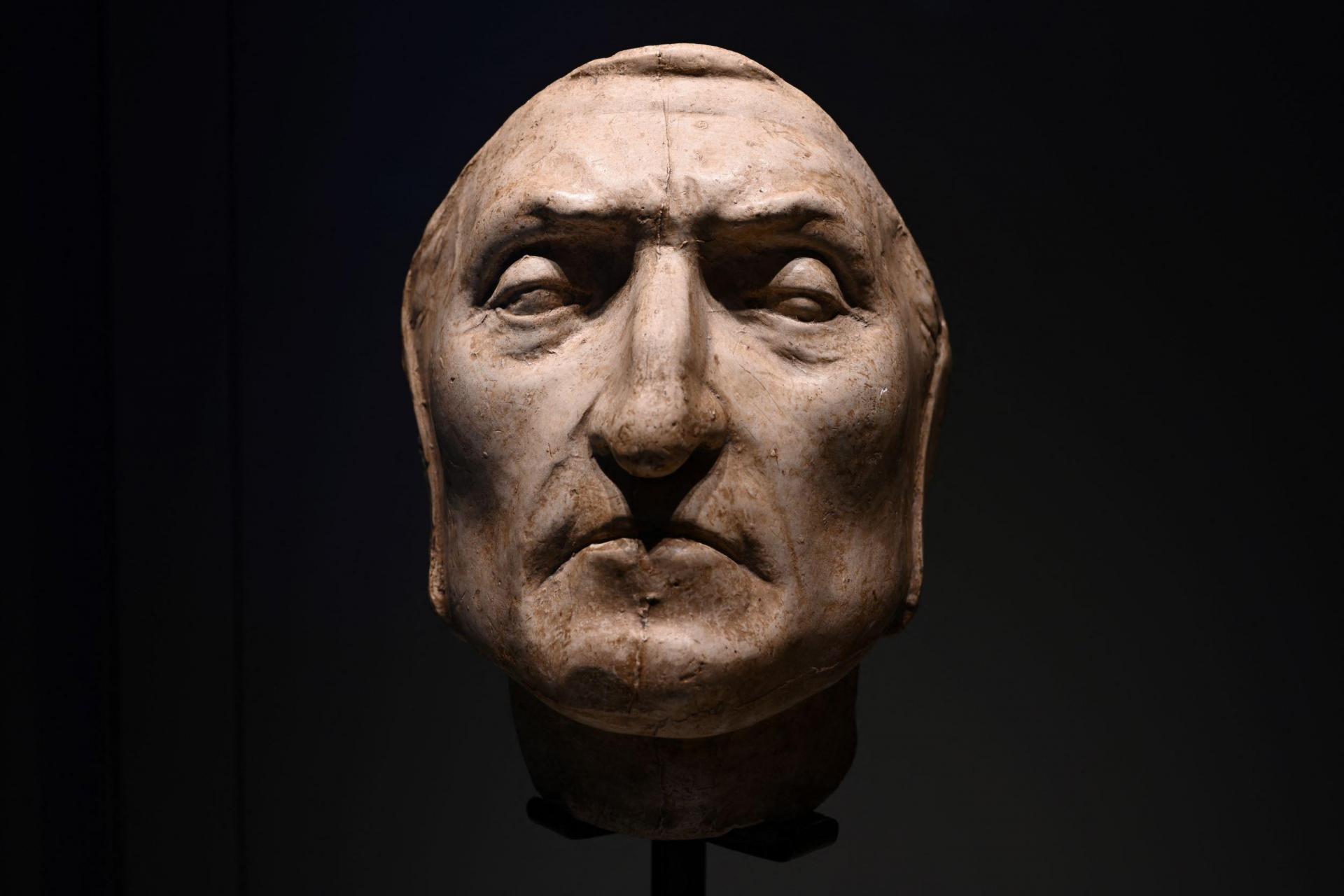
I’d forgotten how much I enjoy the way his stories make you learn while you read. Weaving art, history, and hidden symbols into the chase. This time, it was Dante’s death mask that caught me. A real object, a real face. Preserved in plaster for nearly seven centuries.
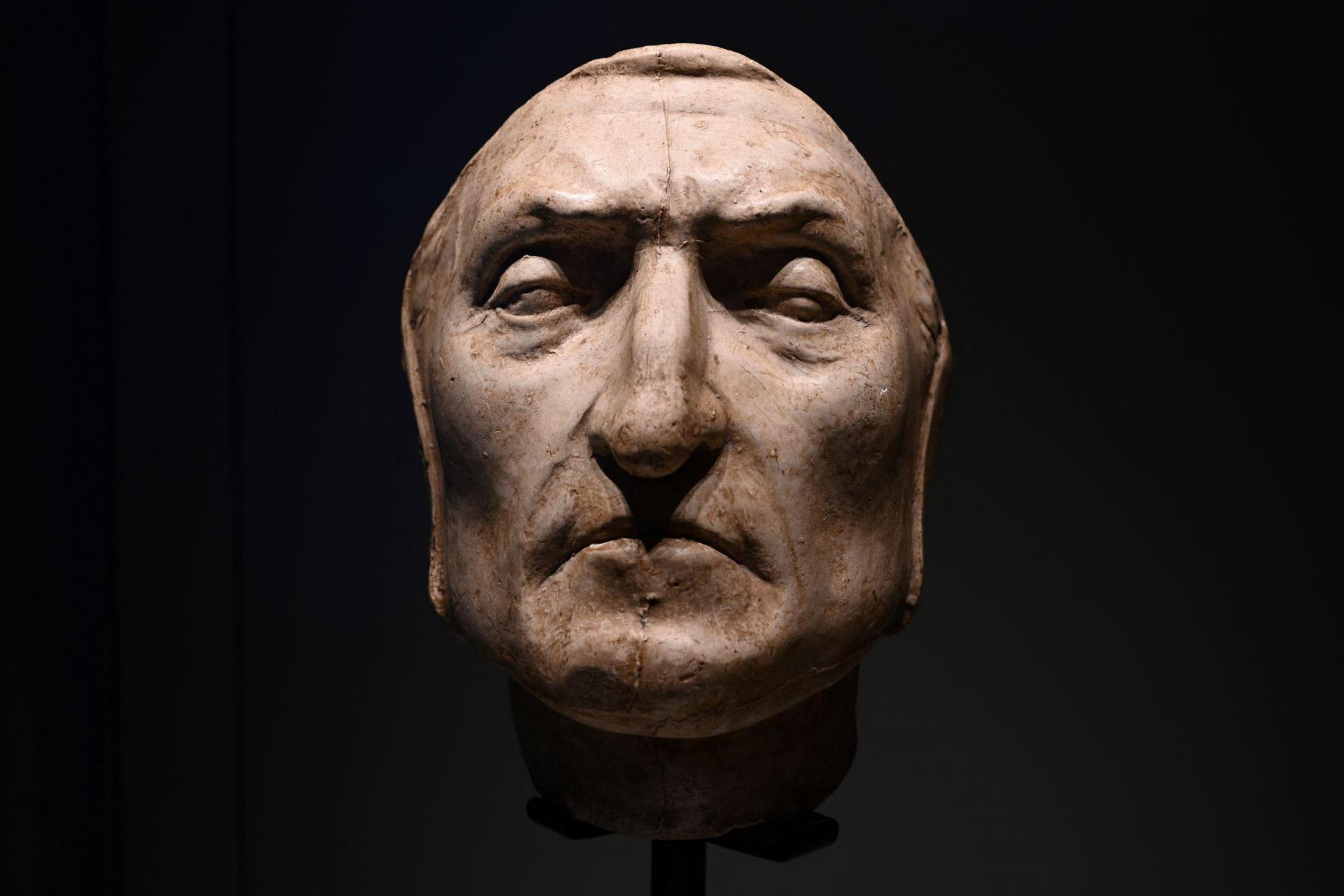
Of course, I had to look it up.
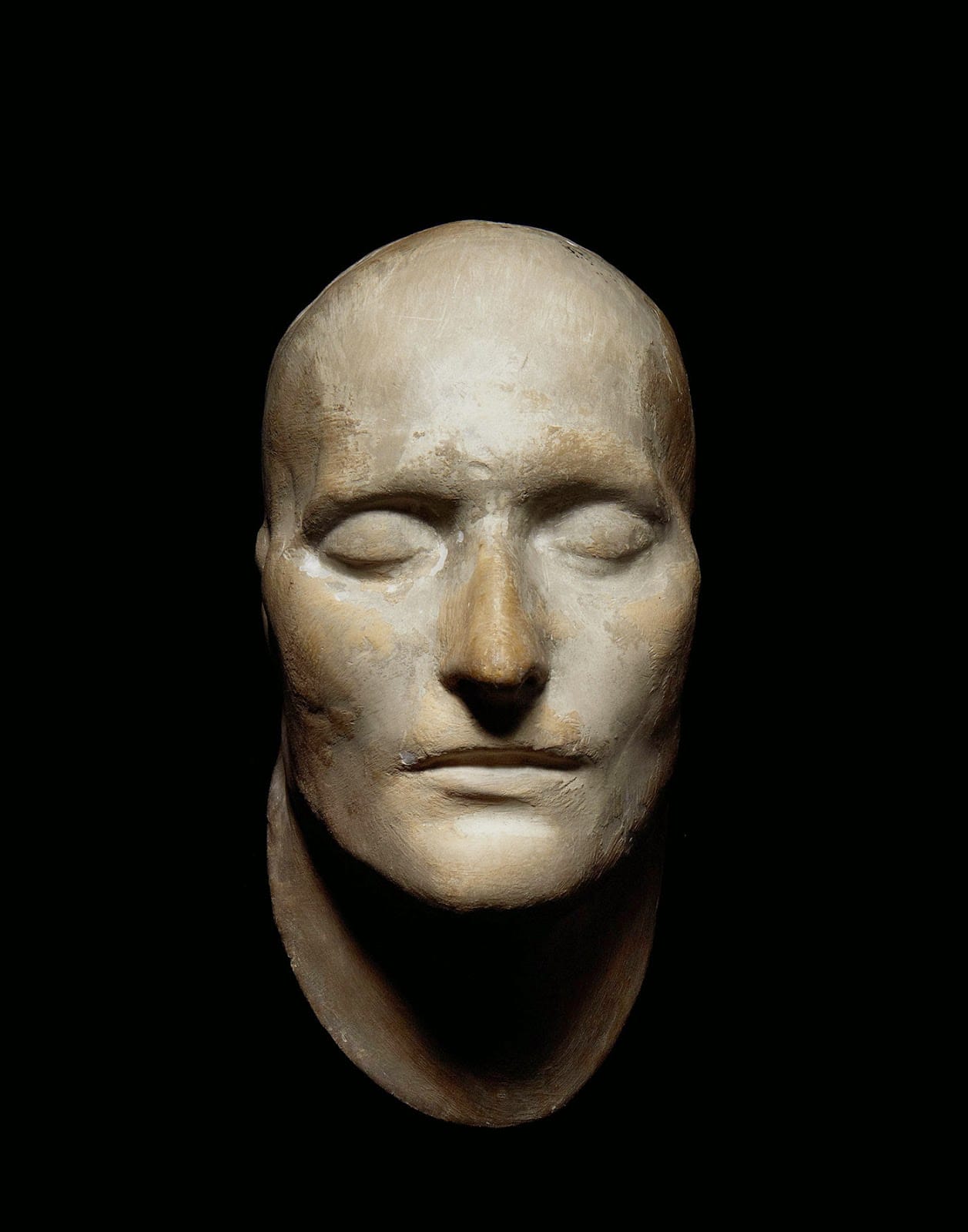
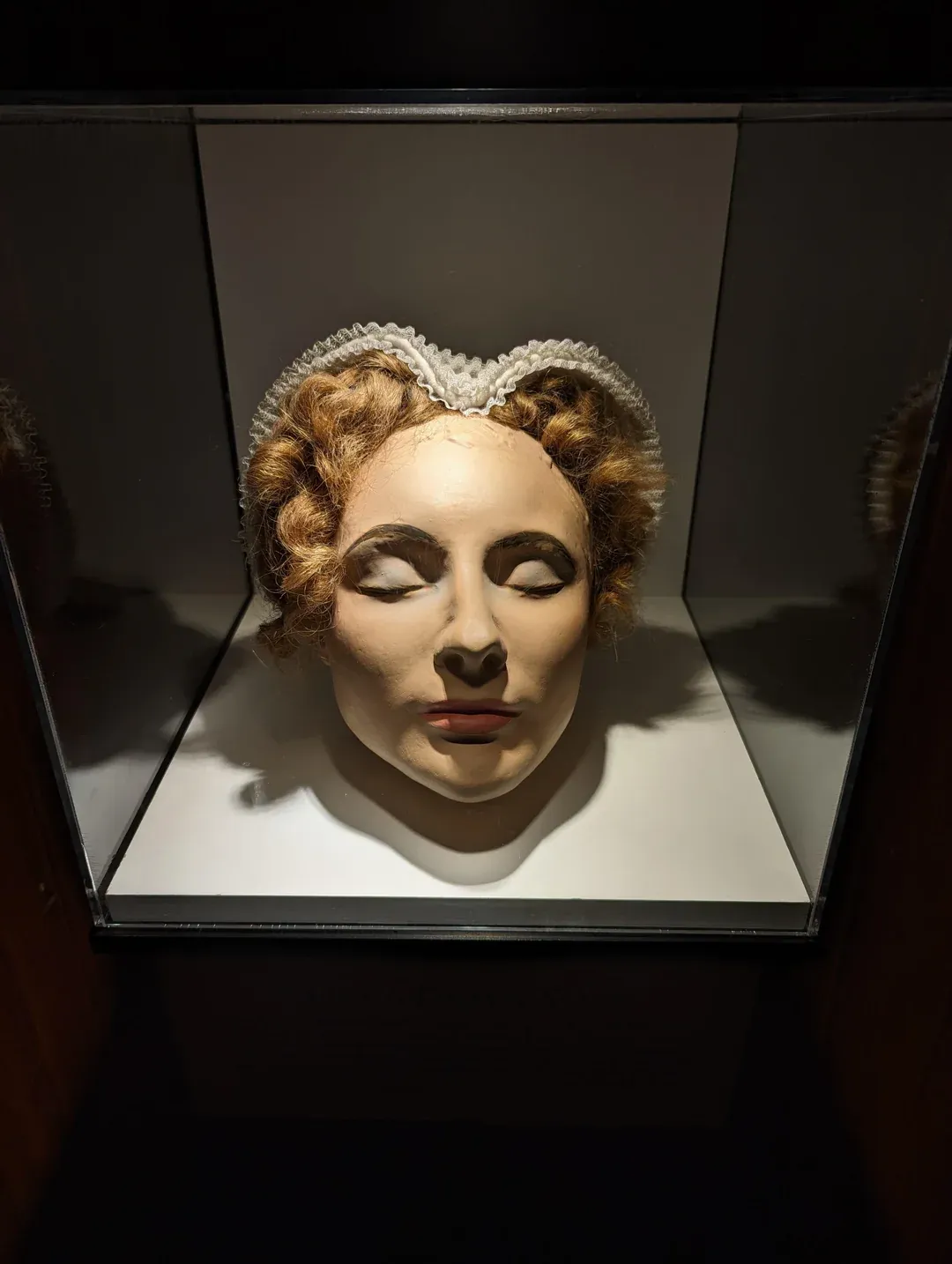
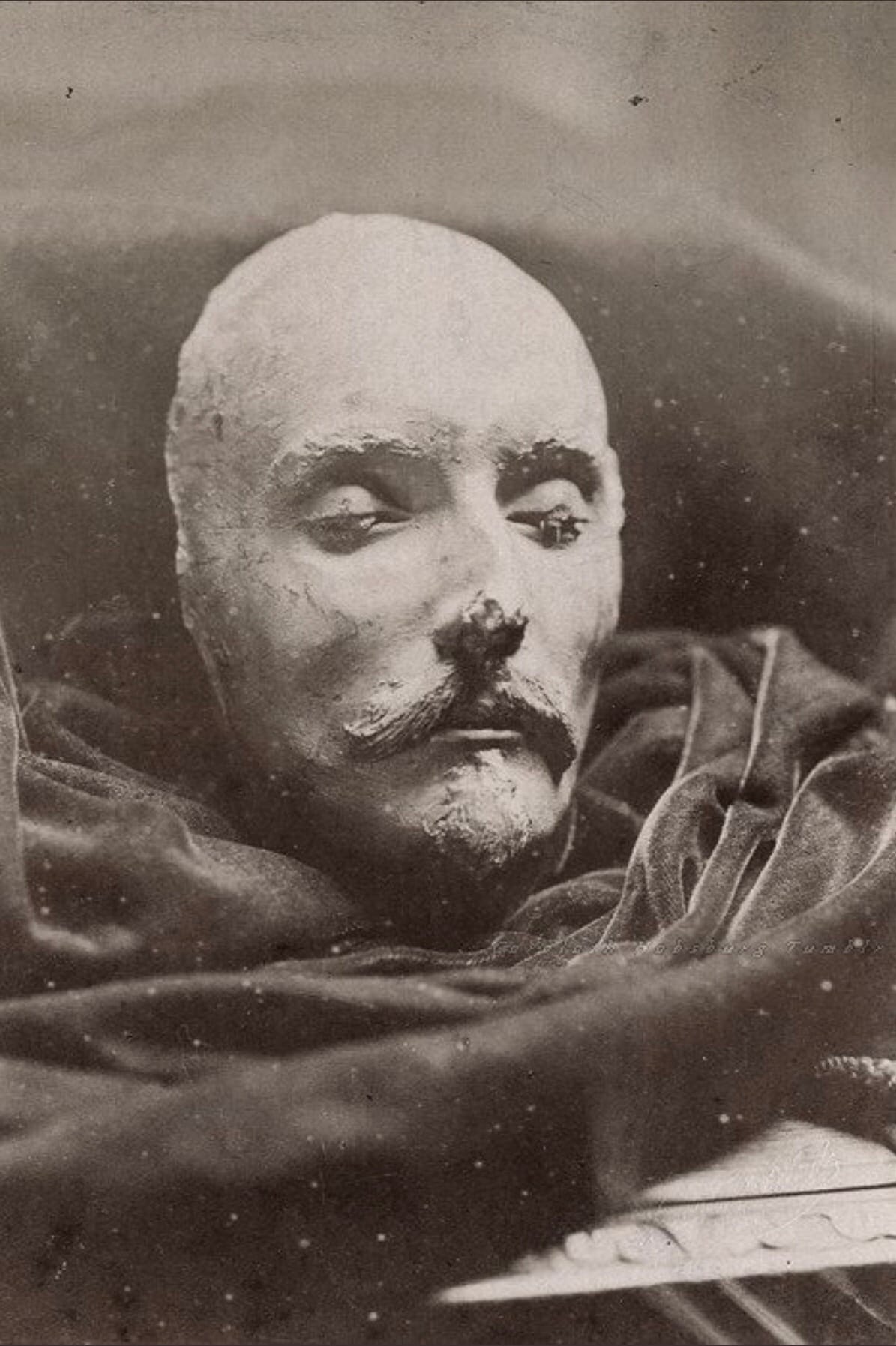
And that sent me spiralling down a new rabbit hole: death masks. Napoleon’s, Beethoven’s, Newton’s, Tolstoy’s. Moments of stillness, captured between life and memory. Each one both eerie and tender. The last impression of a life that once filled rooms with sound, ideas, or power.
How a death mask is made
In the hours after a person’s death, a craftsman would gently coat the face with oil to keep plaster from sticking. Then, layer by layer, wet plaster or wax was brushed over the skin until it hardened into a shell.
When the mold was removed, it revealed every detail: the texture of the skin, the fall of the eyelids, the faint outline of a frown or a smile that never quite left. From that mold, casts were made. Sometimes for families to keep, sometimes for artists or scientists to study.
These weren’t idealized portraits. They were exact. Unforgiving. Real.
Our need to hold on
Behind this ancient practice lies something enduring: our yearning to hold on to a person, a moment, before it slips away.
We don’t make death masks anymore, but we take photographs. We save text messages. We record voices. The instinct is the same. To press pause on time, to say remember this, remember them.
There’s something haunting in that. And beautiful, too. Because to want to remember is, in its own quiet way, an act of love.
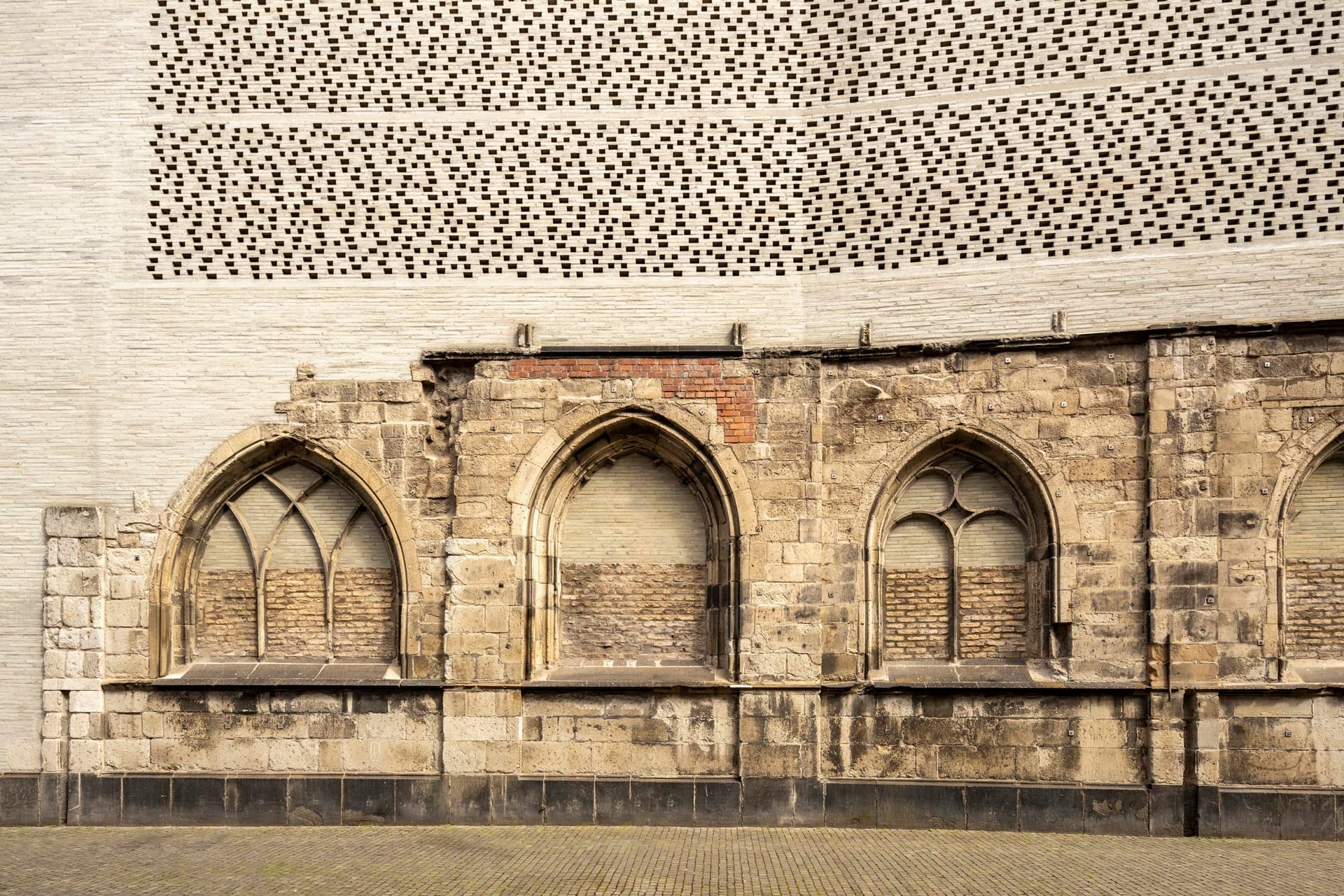
Genius Loci - How to let places speak - In this article I explore human-made spaces that listen to their surroundings. Structures that reveal what’s already there, connecting people gently to the spirit of place.
When cities start to touch
I was doing some research about my province, Noord-Brabant, when I stumbled upon a word I didn’t know: conurbation.
At first it sounded dry. A word from planning documents. But the more I read, the more it stirred something.
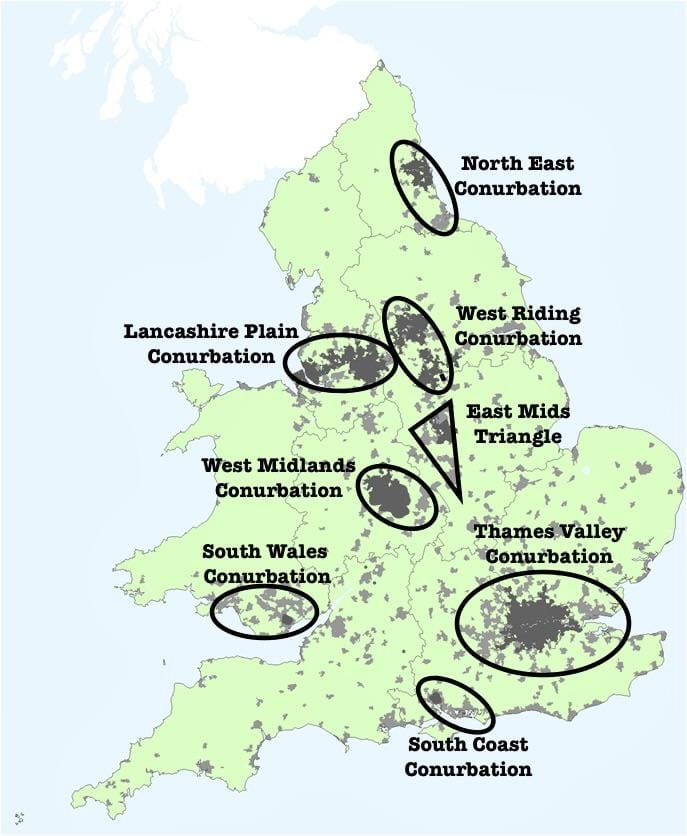
A conurbation is what happens when towns and cities grow toward each other until their borders blur. When one place quietly becomes part of another. Not one city expanding endlessly, but many intertwining. Forming a continuous web of life.
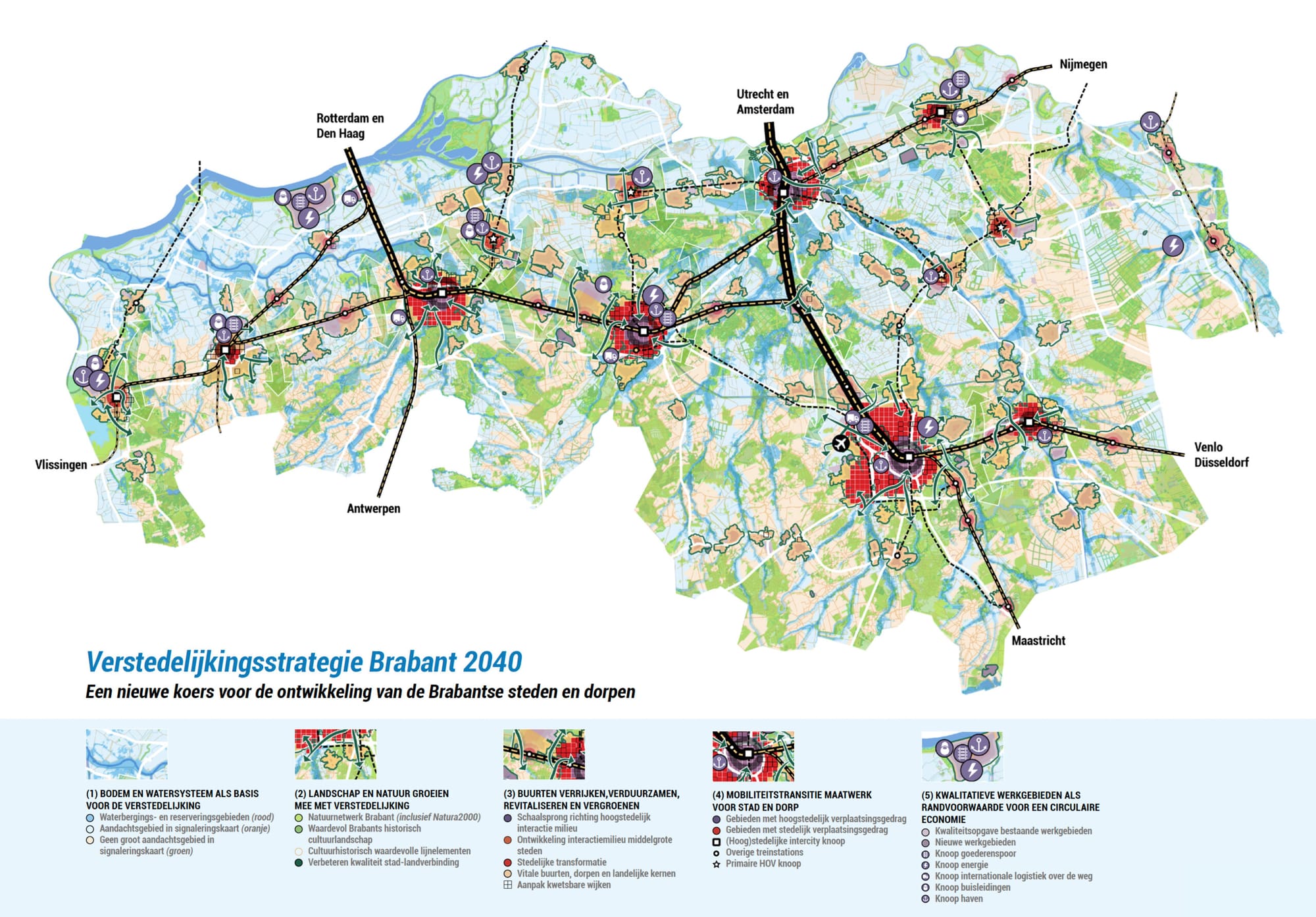
It reminded me of Gouden Eeuwen, a book I read in 2020 while working on a project for the STAM museum in Ghent. It described how the region from Flanders into the southern Netherlands is unique for its closeness of smaller cities: Antwerp, Ghent, Breda, Eindhoven, Tilburg, Leuven. Distinct, yet connected by short journeys and shared rhythms.
But the more I think about it, the more I realise: it isn’t just here.
From the Pearl River Delta to the northeastern U.S., from Greater Tokyo to the Ruhr Valley. The world is quietly knitting itself together.
What does that mean?
- Culture quickens, but so does sameness. What once felt local begins to blur.
- Collaboration deepens, yet the sense of place thins. Ideas travel faster than roots can hold.
- Boundaries fade, and with them, a little of the pause between places that once made each feel distinct.
- Life circulates, beautifully, endlessly. But sometimes it forgets to rest.
A crisis of connection
Reading this latest POLITICO poll, it’s hard not to feel the weight of it. A country where most people believe the government lies to them ("Two-thirds of Americans say it is at least probably true that the government often deliberately lies to the people."), where half think the best days are behind, where many say the dream no longer exists.
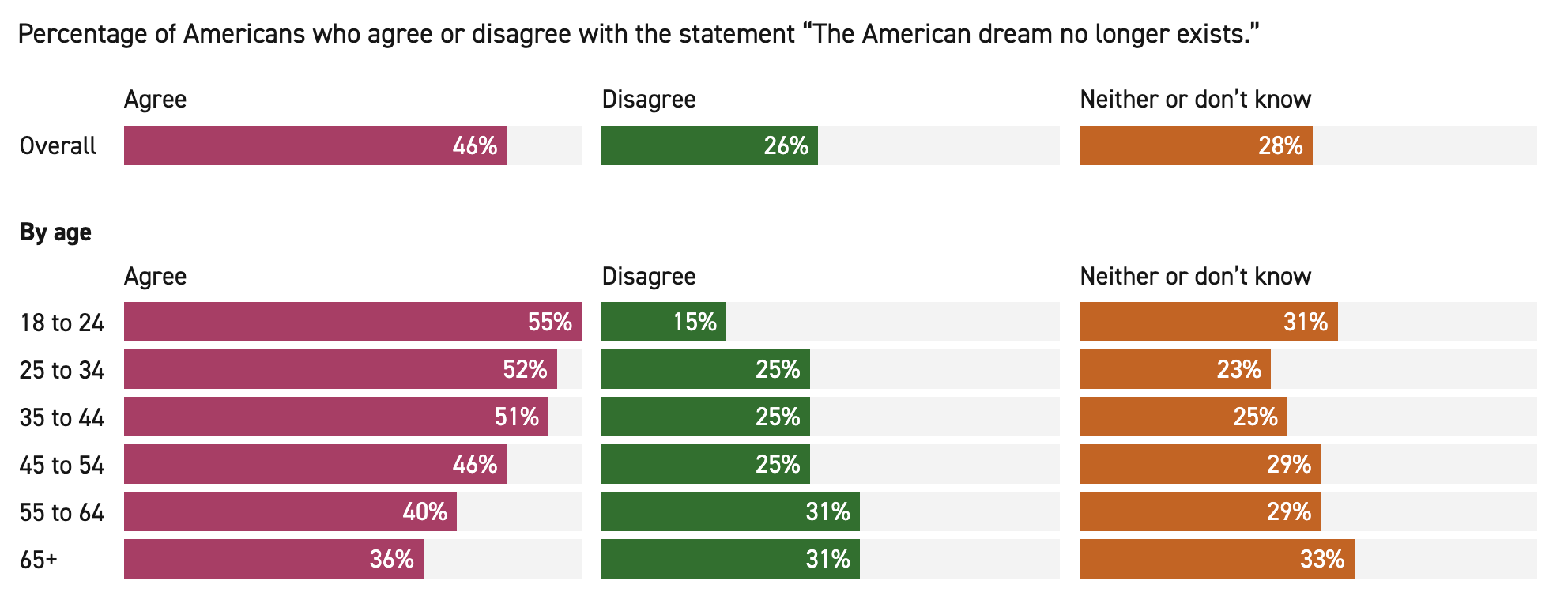
It’s easy to call it pessimism. But beneath it, I sense something else: disconnection.
Between people and power. Between neighbours. Between what we imagine a country should be and what it feels like now.
We’ve built systems that connect everything: cities, markets, networks. Tet many feel more alone than ever. Maybe the real revolution people crave isn’t political at all, but personal: a reweaving of trust, meaning, and proximity. Of conversation.
Because when the lines between us fray, hope doesn’t vanish. It simply waits for us to reach back across.
Reflecting
From Dante’s death mask, to cities leaning toward each other, to a country struggling to speak across its divides. Everything points to the same truth.
We need connection.
We need conversation.
With each other.
With ourselves.
With the past.
Food for thought... at least it is for me 😄