TWIL #45: From Tears to Navel-Gazing

Every Sunday, I share a few of my learnings, reflections, and curiosities from the week. Things I stumbled upon, things I questioned, things that made me look twice. It’s not about being right or complete… it’s about noticing, wondering, and learning out loud.
Thanks for reading. I hope it sparks something for you too.
We cry different tears

I was watching Furiosa (yes, elite taste confirmed), when a character said something that snapped me straight into curiosity mode: Tears of joy are different from tears of sadness.
Different? Really?
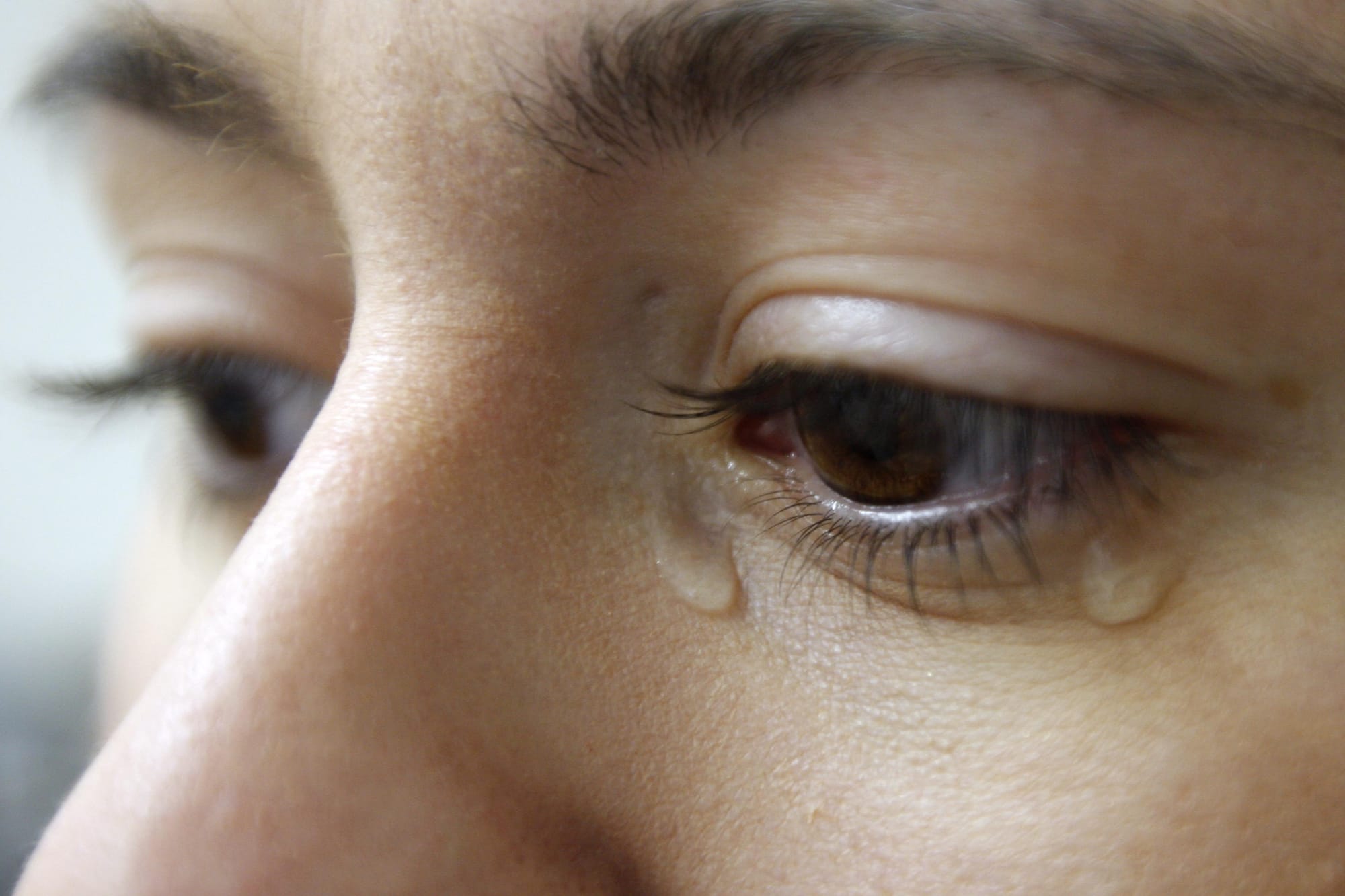
A quick dive later, and it turns out: yes, our tears speak multiple emotional dialects. Scientists sort them into three categories:
- Basal tears: the constant moisturizing, infection-fighting eye coating.
- Reflex tears: triggered by irritants like onions, smoke, or dust.
- Emotional tears: the ones with chemistry that changes depending on what we feel.
And here’s where it gets fascinating. Emotional tears aren’t uniform. They shift based on the emotion driving them.
Tears of sadness: higher levels of tress hormones (ACTH, cortisol), prolactin, potassium and manganese → Often interpreted as the body “off-loading” emotional intensity.
Tears of joy: higher levels of endorphins and oxytocin-related peptides → More aligned with bonding, relief, and the neurochemistry of pleasure.
Same appearance. Different inner messages. One unloads stress; the other reinforces connection and meaning.
The ancient story behind “Navel-Gazing”
I am currently reading Adventures in the Louvre, because we’re visiting around Christmas and I want to arrive armed with at least a few conversation-starting facts for my kids. And in it I discovered that “navel-gazing” is far older and far deeper than the modern jab at people who overthink.

The whole thing starts with a Greek word: ὀμφαλός (omphalos) — navel, center, hub
For the Greeks, the navel wasn’t just anatomy. It symbolized the center of the world.
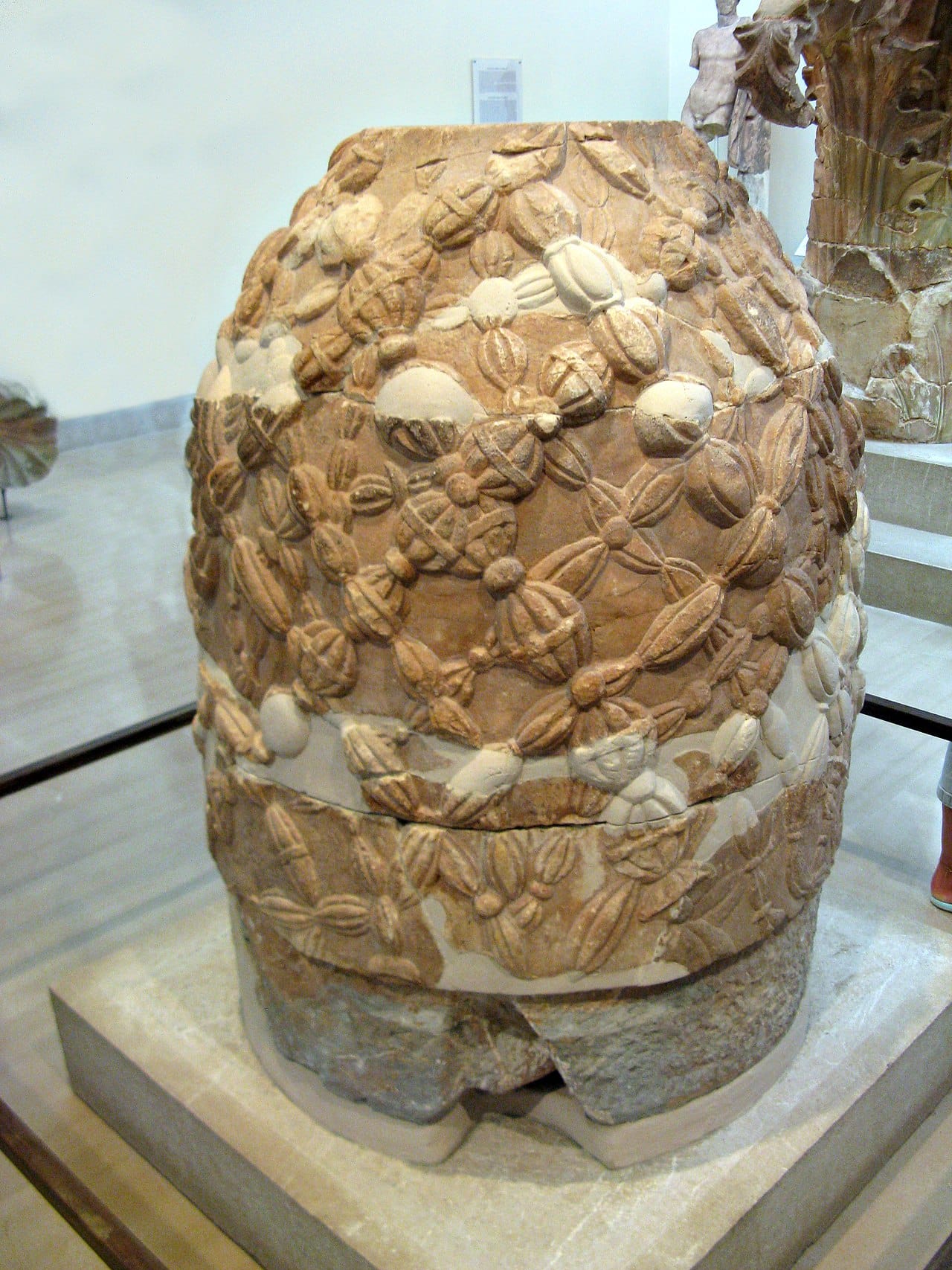
The Omphalos at Delphi is a sacred stone marking what the Greeks believed was the cosmic midpoint. According to myth, Zeus sent two eagles from opposite ends of the earth; they flew toward each other at equal speed and met above Delphi. That meeting point became the spot where Zeus placed the stone: making Delphi the legendary “navel of the Earth.”
How the idea of navel gazing evolved
- Hellenistic philosophy: Thinkers began turning inward. Not literal belly-watching, but the idea that truth comes from focusing on one’s inner center.
- Byzantine mystics: Later made it literal with ὀμφαλοσκοπία (omphaloskepsia): navel-gazing as a meditative practice involving breath, stillness, and prayer.
Outsiders misunderstood (or mocked) these contemplative practices and “navel-gazing” shifted from a spiritual technique to a gentle insult about being self-absorbed.
So the phrase that now means “stop thinking so much” once meant “seek the center of the universe.”
The moth and the weevil
Just two photo of awesome insects I learned about. Aren't they awesome? The world is full of magical creatures.


De Facto vs. De Jure: the two ways something can be “real”
I was listening to a podcast about the war in Ukraine when the hosts kept talking about Russia’s “de facto” annexation versus “de jure” annexation. And honestly, I realised I’d been nodding along to those phrases for years without ever really stopping to ask: what do they actually mean?
So I went digging.
- De jure means “by law.”
Something official, recognised, stamped, signed. - De facto means “in fact.”
Something that exists in practice, even if nobody formally approves of it.
And honestly, this hits close to home:
in my family, I de facto control the remote…
but de jure my kids insist it belongs to them.
Simple enough… until you apply it to something as big as annexation.
Because once I understood the difference, the sentence in the peace proposal suddenly hit differently. The plan suggests that certain territories would be recognised as “de facto Russian”, meaning Russia runs them, governs them, controls them, but not “de jure” Russian... not legally theirs.
And now the proposal’s tidy phrasing starts to wobble.
By using de facto instead of de jure, the plan doesn’t actually solve anything.
It just freezes the mess in place. It basically says: “Yes, Russia controls this land… but no, we’re not saying it legally belongs to them.”
A neat compromise on paper, until you see what it implies: legitimacy hanging in mid-air, sovereignty half-recognised, borders both fixed and unfixed at the same time. So Russia can act as though it owns the land, but the world can still say, “Nice try. Not legally.”
That's it for this week!