TWIL #46: From AGI to Socialist Malls
Every Sunday, I share a few of my learnings, reflections, and curiosities from the week. Things I stumbled upon, things I questioned, things that made me look twice. It’s not about being right or complete… it’s about noticing, wondering, and learning out loud.
Thanks for reading. I hope it sparks something for you too.
Prospect + Refuge: opening up through our body
This week I stumbled onto the work of Stephen and Rachel Kaplan, two environmental psychologists who spent decades studying how people actually experience places. Not what planners intend, but what our minds and bodies feel the moment we enter an environment.
One insight (even though obvious when you read it) inspired me:
Humans feel (unconsciously) best in places with prospect and refuge.
Prospect = we can see out.
Refuge = we feel protected.
It is a window seat.
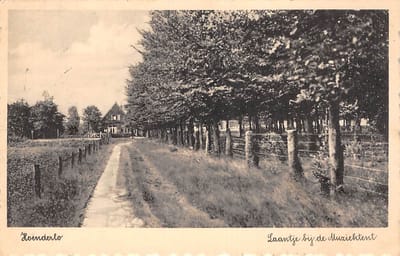
A bench under a tree.
A café corner with a view of the room.
Our bodies understand them faster than our minds do.

The Kaplans describe environments like these as ones that “support our ability to function without demanding too much effort.” In other words, they let the nervous system settle. And once it settles, everything else becomes possible.
We talk so much about activation and vibrancy in placemaking, but never enough about the felt safety that makes people willing to linger, watch, join in, or connect.
- Comfort first. No comfort, no community. Prospect + refuge is the starting point.
- Edges matter. People gather along walls, trees, railings. Places that let them observe without feeling exposed.
- Control creates safety. A seat with a back, a little shade, a line of sight: these tiny cues change how brave we feel socially.
- Refuge fuels connection. People connect more easily when they know they can retreat and return.
Designing for public life doesn’t start with programming or activity. It starts with the body. With the ancient part of us asking: Do I feel safe enough here to open up?
By the way: you can read their book The Experience of Nature for free.
The Thinking Game: The documentary that restores your faith in AI
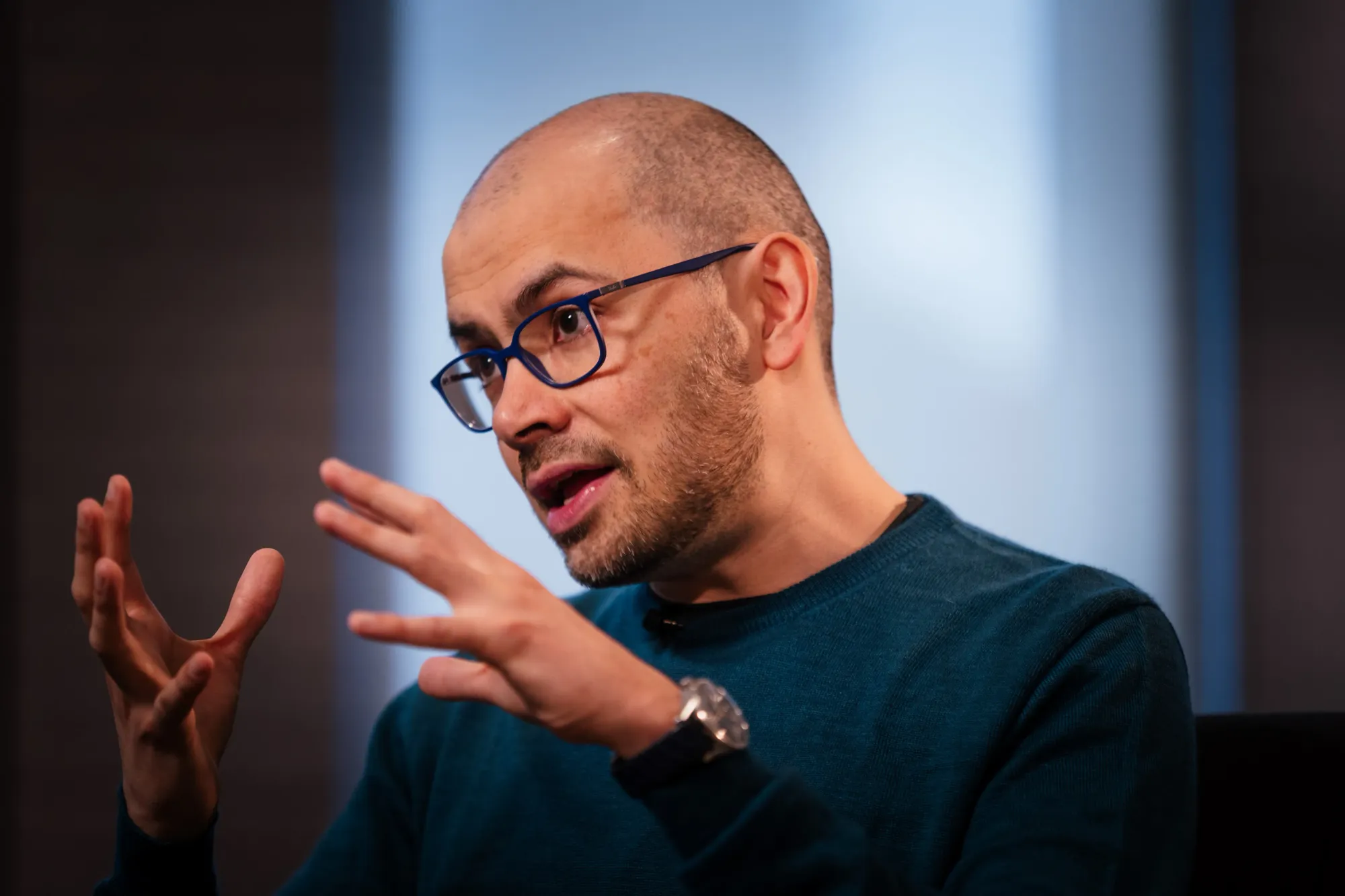
This week I watched The Thinking Game (thanks Maarten for the tip!), the documentary about Google DeepMind. And it’s one of the rare pieces of AI storytelling that feels genuinely hopeful. No dystopia, no hype. Just a group of people trying to understand intelligence and use it for good.
The film frames DeepMind’s central ambition: AGI (artificial general intelligence). Meaning an AI system that can learn, adapt, and reason across many different tasks, not just one.
And DeepMind’s research already hints at what that could mean:
- AlphaFold: Solved a 50-year biology grand challenge by predicting 200+ million protein structures (very interesting by the way, maybe more on this in another TWIL!) with near-experimental accuracy. A foundational shift in drug discovery and molecular biology.
- AlphaStar: Reached grandmaster level in StarCraft II, one of the most complex, high-dimensional strategy games ever created. Requiring long-term planning, incomplete information, and quick reflexes.
- Aeneas: An AI that can interpret, restore, date, and contextualise ancient Roman inscriptions with historian-level accuracy, even when the texts are badly damaged or incomplete. It reveals deep textual and historical connections across more than 176,000 inscriptions in seconds, giving scholars insights that would otherwise take years, or remain undiscovered entirely.
On their website you can dive deep into more research that they have done and are currently working on.
The Shopping Mall was never meant to be a shopping mall
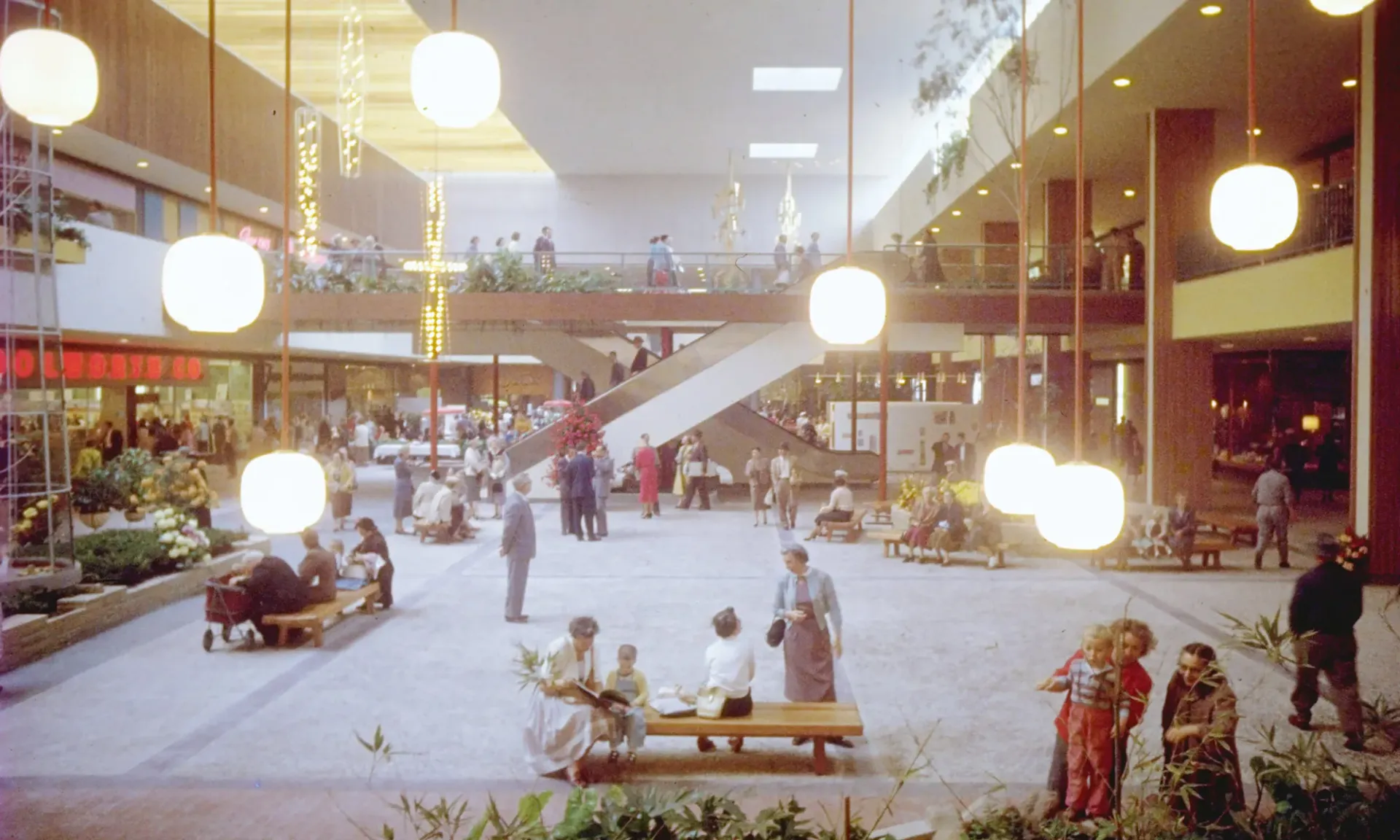
Here’s an interesting twist in design history: the creator of the first true shopping malls, architect Victor Gruen (a dedicated socialist), never intended them to become temples of consumption.
His original vision? Mixed-use, community-centric mini-cities: places where people could live, learn, gather, and connect.
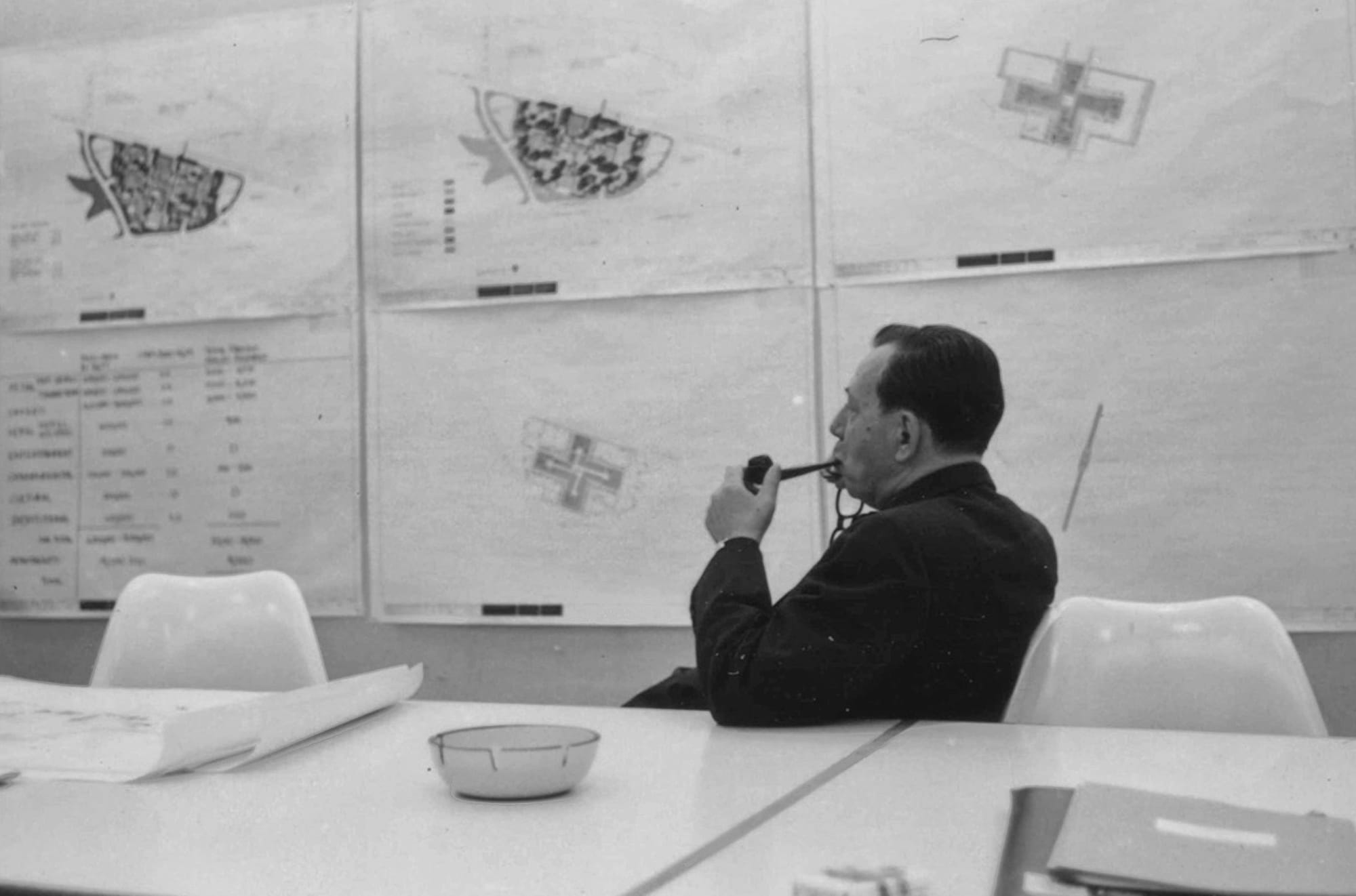
Gruen imagined malls with libraries, apartments and social housing, green spaces and public gardens, post offices and civic services, medical clinics, cultural venues and performance spaces. And yes, also shops.
The goal wasn’t buying: it was belonging. He saw commerce as the engine, not the purpose. Retail was supposed to fund the civic amenities, the way medieval marketplaces financed churches and plazas.
Grueun wanted to recreate the walkable, social vibrancy of European town squares inside the fast-growing sprawl of mid-century America.
Of course, history took a turn. Developers loved the commercial parts and quietly deleted the civic ones. By the 1970s, the “mall” had evolved into the opposite of Gruen’s dream: a climate-controlled cathedral of consumption.
But now? As dead malls dot the landscape and cities look for new ways to build community, Gruen’s discarded blueprint suddenly feels visionary. It only took the world 60 years to realize.