TWIL #57: From Soil and Soul to Blue Spirits
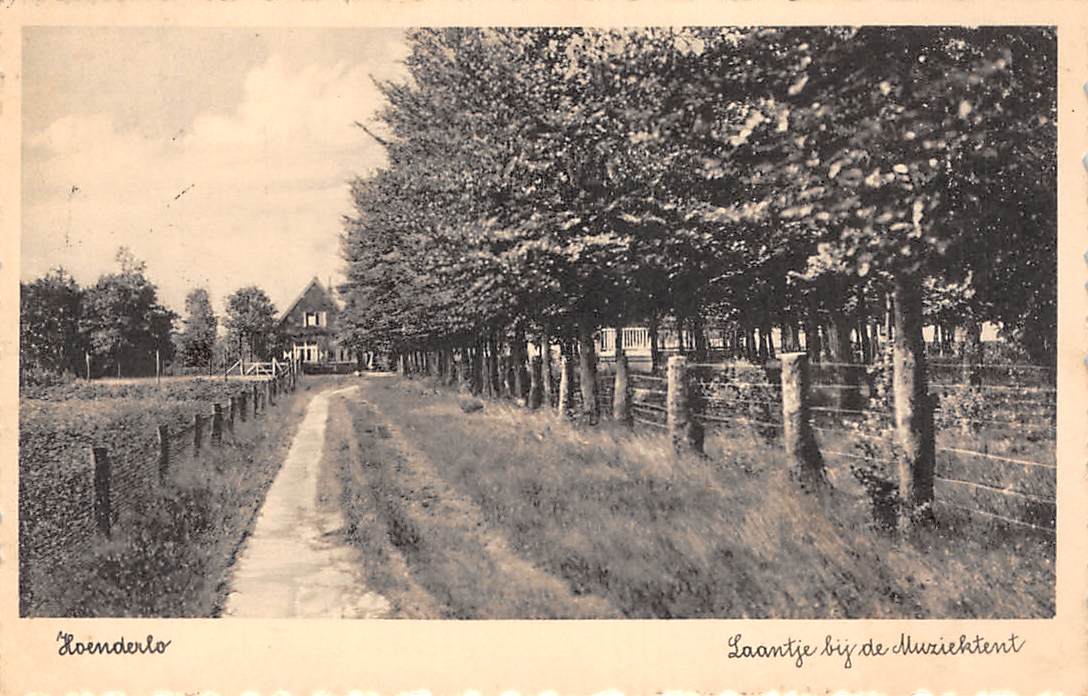
Every Sunday I write down a few things that caught my attention that week. A landscape detail. A fragment of history. Something that made me pause.
It is my way of sorting my thoughts. Of making sense of what I notice. Of storing it somewhere outside my own head.
Not to be complete.
Just to look a little closer.
When soil explains the soul
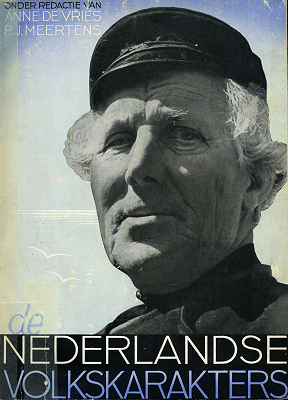
This week I came across an online version of De Nederlandse volkskarakters (The Dutch National Characters) from 1938. A book written in a Europe that felt an urgent need to define peoples, when identity was anchored in soil, history and origin, and “national character” sounded almost geological.
You can feel that mood in the sentences.
What struck me most was not the typologies, but where the authors begin.
They begin with land.
Veluwe
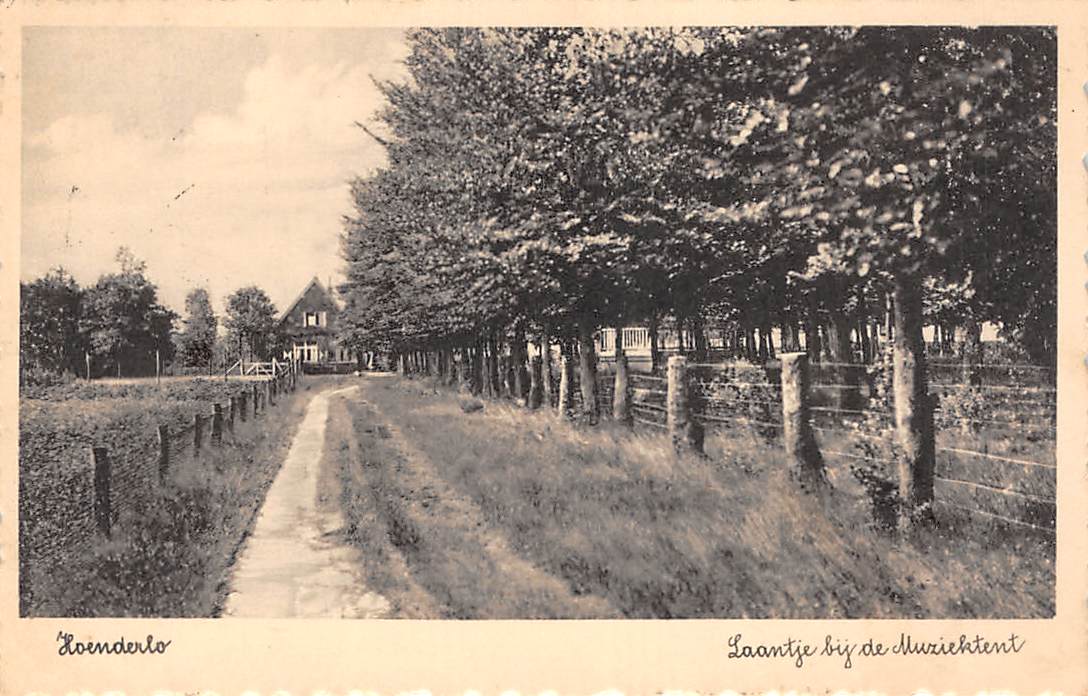
On the Veluwe they ask whether one can speak of a “Veluwe character”:
“If it is true that the ground we inhabit influences our spiritual structure, our outlook on life and our attitude toward it, then we may answer this question in the affirmative…”
They immediately dismiss scenic beauty as secondary:
“Not the fact that the land between the IJsselmeer and the Rhine has become important as a place of natural beauty or recreation can be primary here, but rather the circumstance that the Veluwe soil, through its geological composition, its barrenness and infertility, has from the earliest times been the object of the inhabitants’ continual care.”
And then the struggle:
“For centuries the people of the Veluwe have waged a stubborn struggle with the soil…”
From drought, night frost and burned meadows, they derive temperament. Poor soil leads to fragile harvests, fragile harvests to economic vulnerability, vulnerability to frugality and restraint. They conclude:
“That a certain fatalism grew in the hearts of these toiling sand-farmers… should surprise no one.”
Character follows condition.
West Brabant
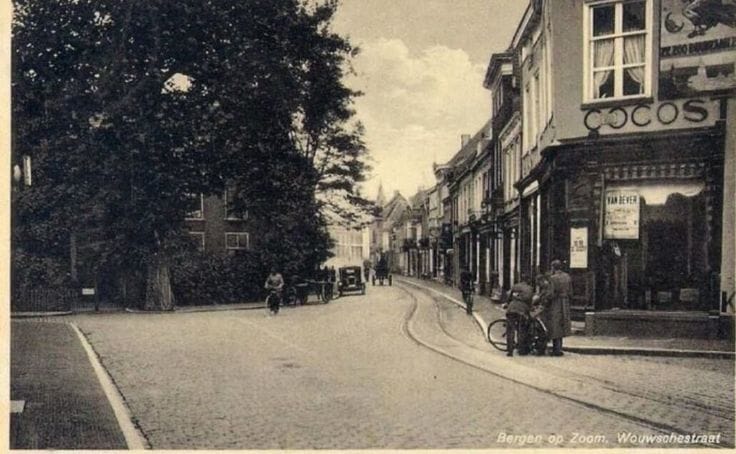
In West Brabant the explanation changes. The region is described as “from early times highly fragmented.” Bergen op Zoom is portrayed as a trading centre for generations:
“This busy traffic over eight generations, with merchants of other nationalities, cannot have failed to exert its influence on the medieval inhabitant… His gaze was drawn far beyond the city walls.”
Trade required adaptation:
“One had, for the sake of the advantages which trade offered, to set aside normal customs and sometimes one’s own personality for the stranger…”
Again the same structure of thought. System first. Character second.
Groningen
Groningen opens not with theory but with a scene. An old farmer is dying. An old labourer sits beside his bed. They have worked the same farm for sixty years.
The farmer says quietly:
When a farmer dies, that is serious, Jan… For who must now decide how everything is to go?”
He states that a minister dies and another comes. A teacher dies and another comes. A tailor, a smith, all are replaced. But:
“But a farmer leaves a place open.”
The point is not sentiment. It is structure. The farmer is the organiser of the land. Even at the edge of death he speaks of cropping plans, of rye and oats, of cows and horses, of the canal planned on the wrong location. He holds together the system that makes the land productive.
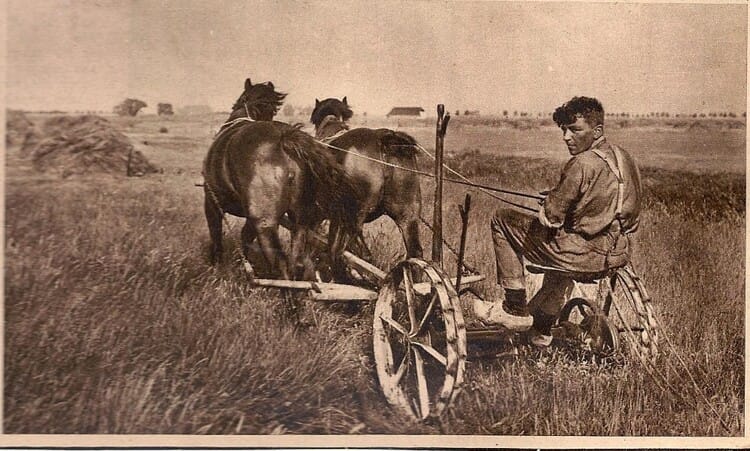
From that long responsibility come the traits they name: “Independence.” “Closedness.” “Work and earn.” And the proverb they elevate says it succinctly:
“Elk mout ’t zulf waiten.”
Everyone must know for himself.
Reading this in 2026, I see the danger. Once you connect soil to soul, context can harden into destiny. Europe in 1938 was full of that slide. And yet I am drawn to the direction of attention.
Not personality first.
Not psychology.
But geology. Trade routes. Migration. Water management. Borders. Power.
The conclusions may overreach. The typologies may flatten.
But the method begins with embeddedness.
Look at the land.
Look at the networks.
Then look at the person.
The General Who Built His Own Cell
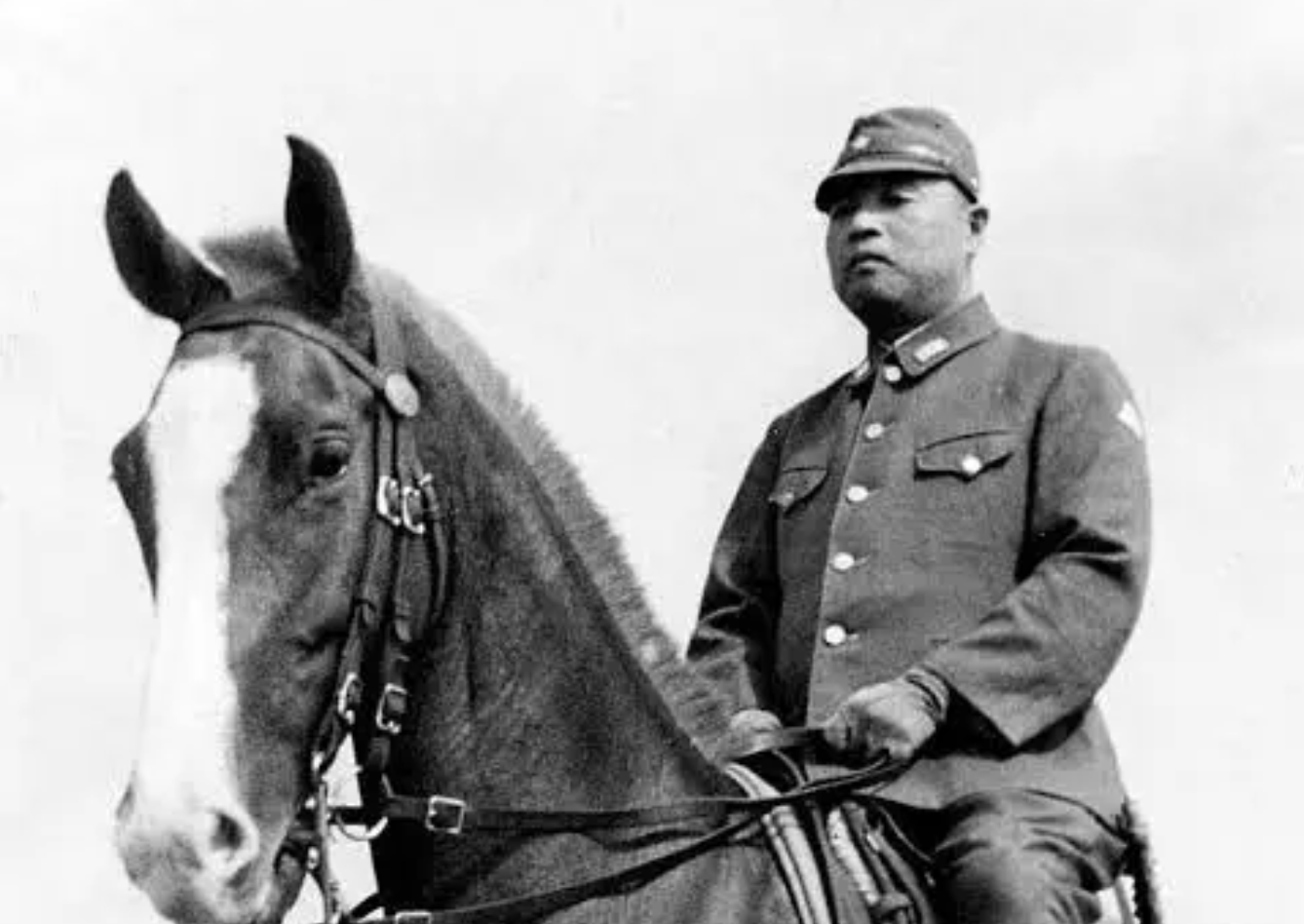
Hitoshi Imamura was known as one of the more restrained commanders in the Imperial Japanese Army during World War II. He reportedly ordered his troops to treat civilians and prisoners correctly. Compared to others, he was considered fair.
After the war, he was tried by an Australian military tribunal. He was not convicted for personally committing atrocities. He was convicted because they happened under his command.
The verdict: Ten years in prison.
He asked to serve his sentence in Japan. When he returned, he built a small wooden jail on the grounds of his own home in Tokyo.
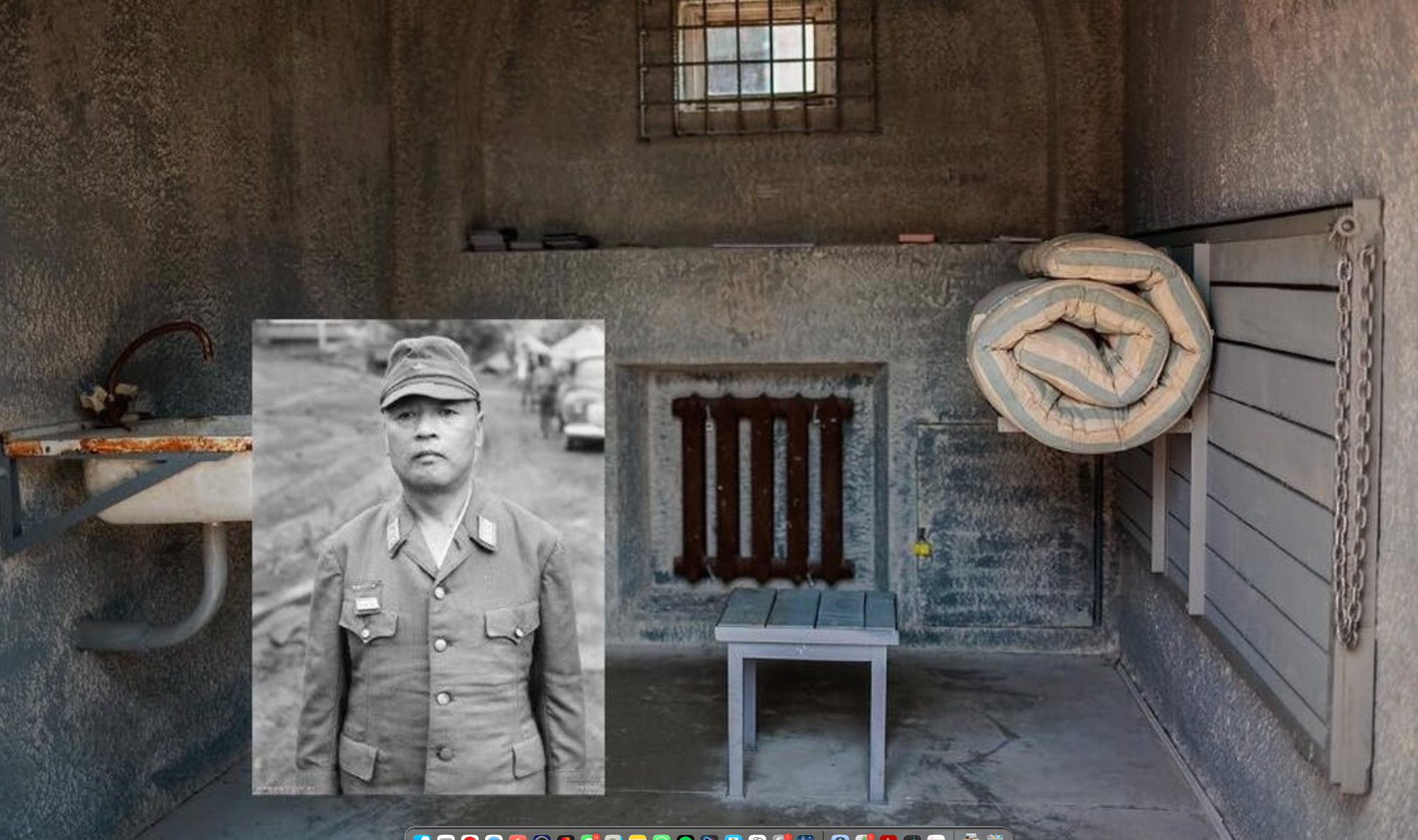
And he lived in it.
He did not publicly deny the verdict. He did not campaign to restore his reputation. As commander, he said, he bore responsibility.
A man who had commanded armies.
Now locking his own door.
It is easy to talk about responsibility in the abstract. It is harder to build walls around yourself because of it.
Whatever one thinks of him, that image lingers. Discipline turned inward.
The blue lights above the marsh
I was watching The Tiger this week. There was a night scene at the edge of a marsh. Still water. And then small blue lights flickering just above the ground.
Will-o’-the-wisps. In Dutch: dwaallichten: wandering lights.
They are described as bluish, moving light phenomena that appear above marshes, ponds, sometimes even graveyards. In old folk stories they were seen as restless souls, or spirits trying to lure people into the water.
That logic is easy to understand: You are walking across wet, unstable land at night. You see a light. It moves.
Before science, that demanded a story.
The explanation became moral and intentional: a spirit, a warning, a trap. The landscape felt inhabited.
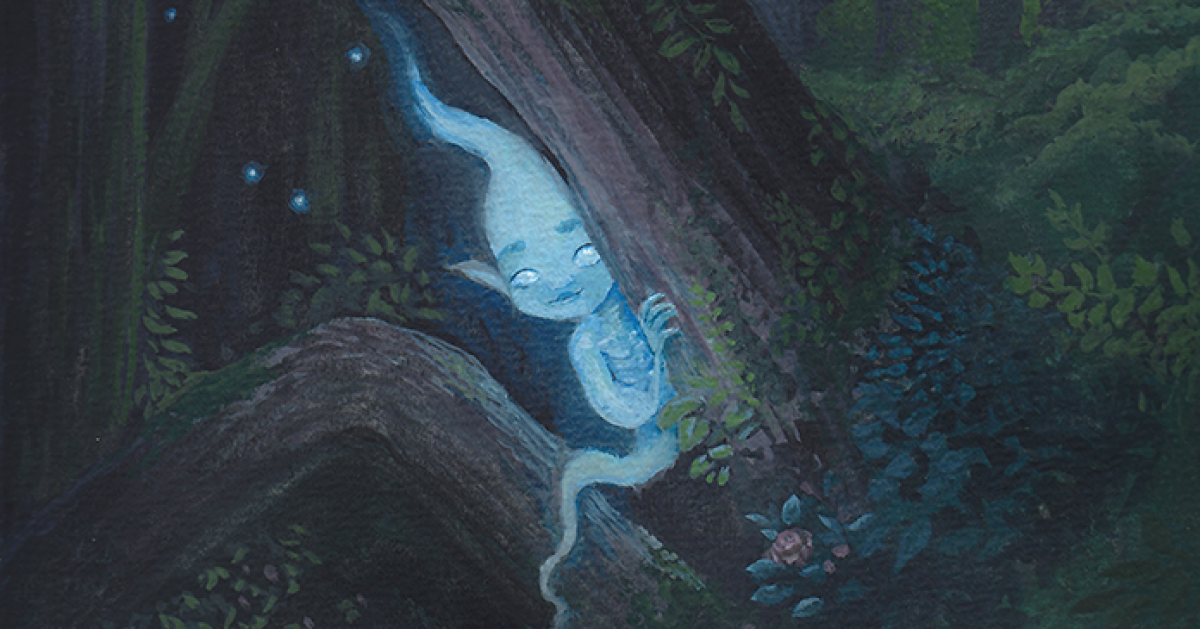
Scientifically, the phenomenon is much less mystical and somehow just as fascinating.
In marshy ground, organic material decomposes. That process produces gases like methane (CH₄), phosphine (PH₃), and diphosphane (P₂H₄). When these gases seep into the air, phosphine and diphosphane can ignite spontaneously on contact with oxygen. That ignition can in turn ignite methane.
The result: small, bluish, flickering flames.
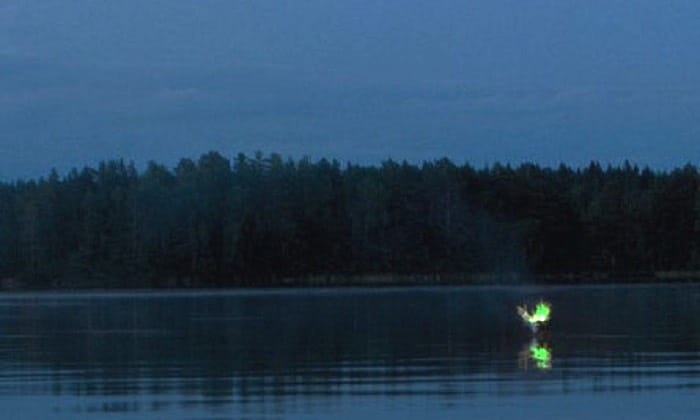
A slow combustion.
A natural form of chemiluminescence.
No spirits required.
And yet the old stories make sense. Because in a dangerous landscape, unexplained light is not neutral. It is directional. It suggests a path. It tempts you to follow.