Veluwe: a system for discovery
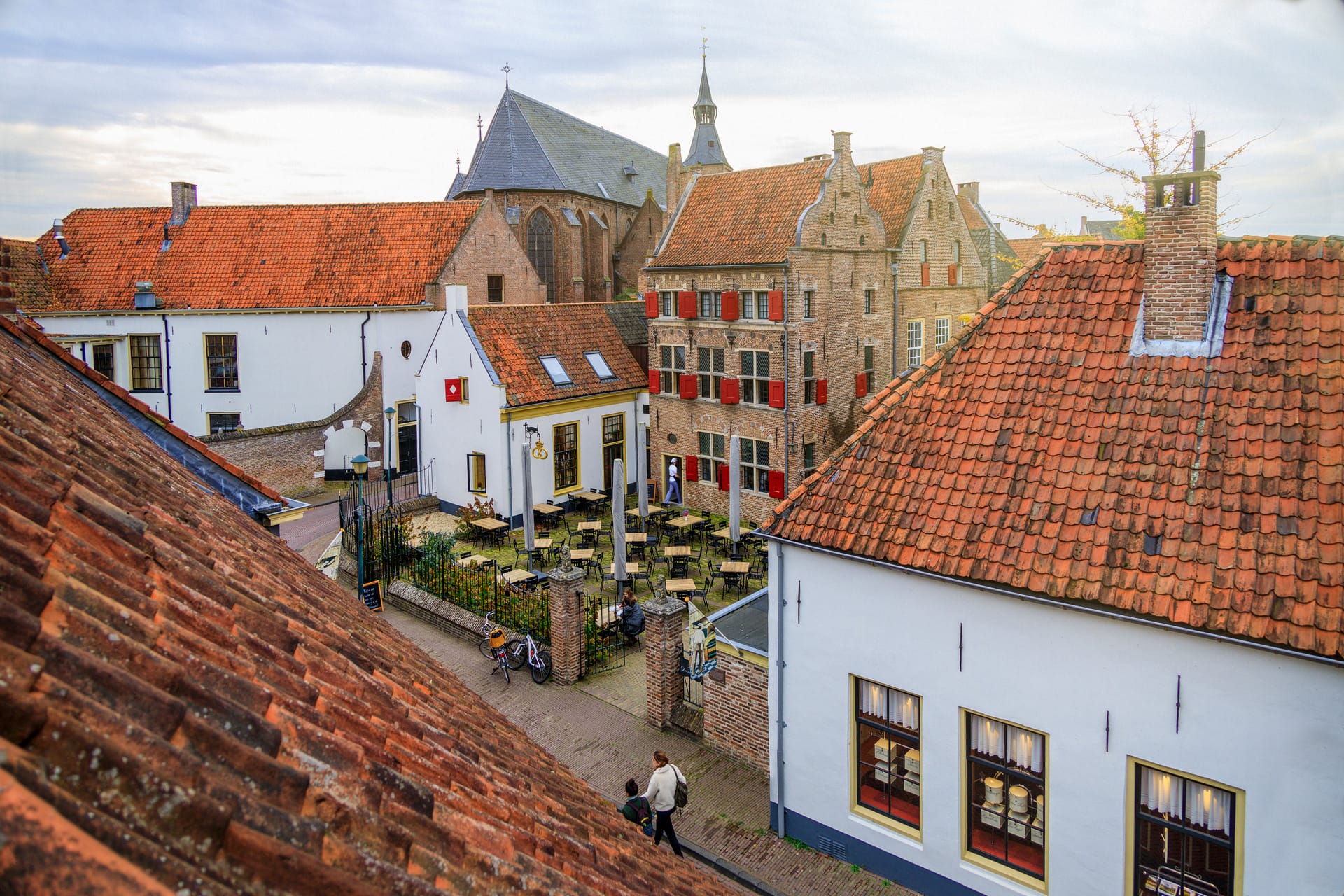
The Veluwe is one of the most layered regions in the Netherlands, combining nature, culture, towns, heritage, food, and everyday life. Yet in people’s minds and behaviours, this richness collapses into a single dominant image: nature.
This project focused on redesigning how the Veluwe is discovered and navigated: by visitors, residents, and the many organisations shaping the region.
Challenge
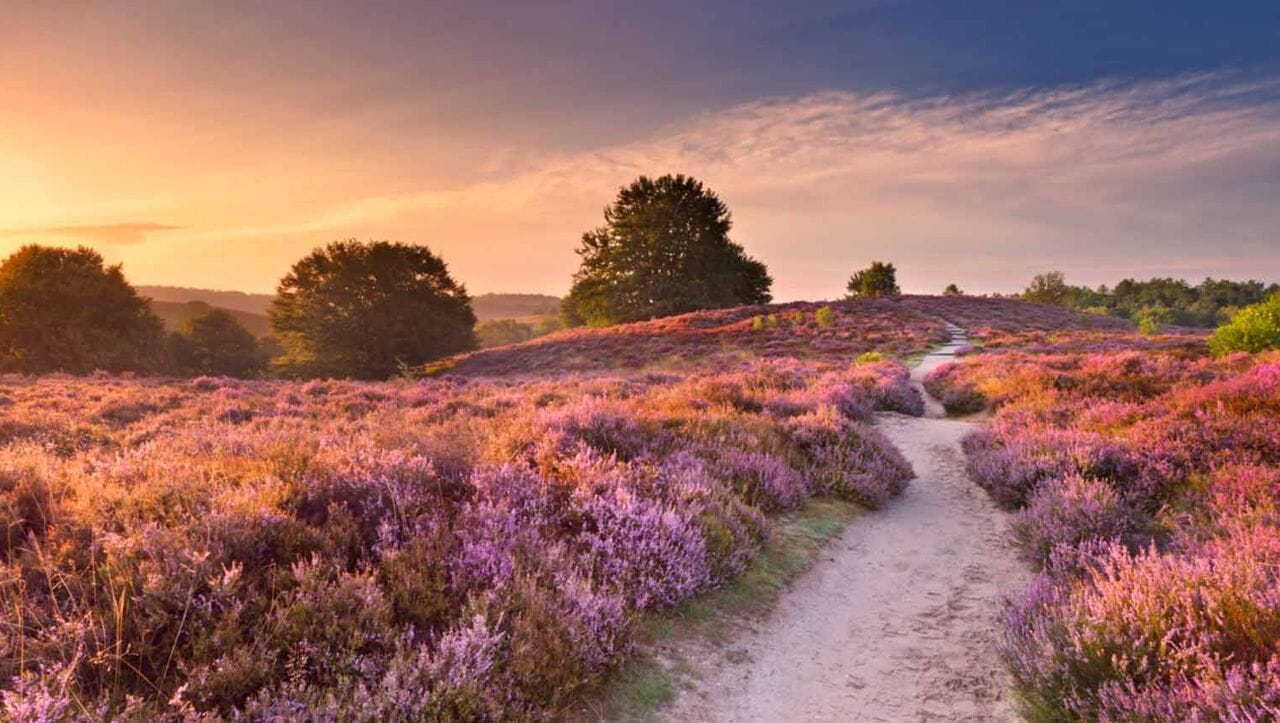
Growing visitor numbers increasingly concentrate on a small number of natural hotspots, putting pressure on vulnerable landscapes. At the same time, the region is shaped by hundreds of independent actors, each communicating from their own perspective and tempo.
The challenge was not to increase demand, but to reshape how demand flows:
to spread attention across the full Veluwe, reduce pressure on nature, and create a shared logic that works for both visitors and local organisations.
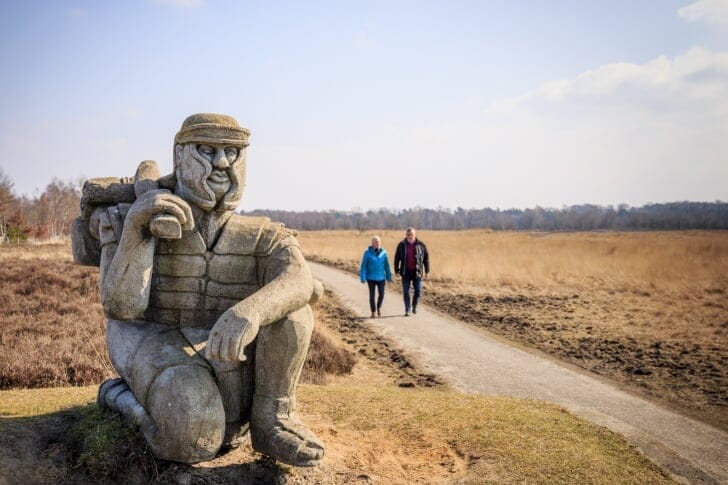
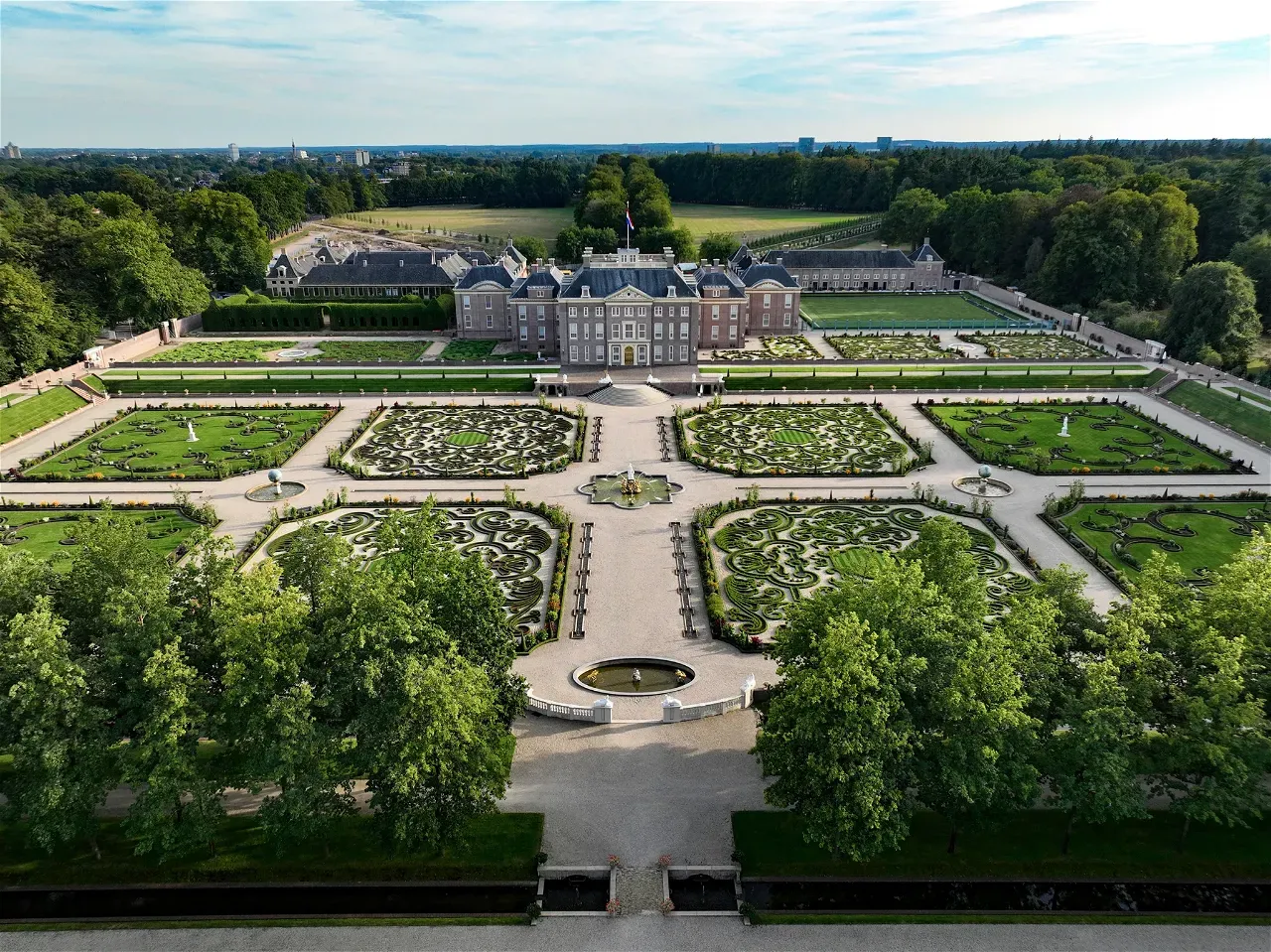
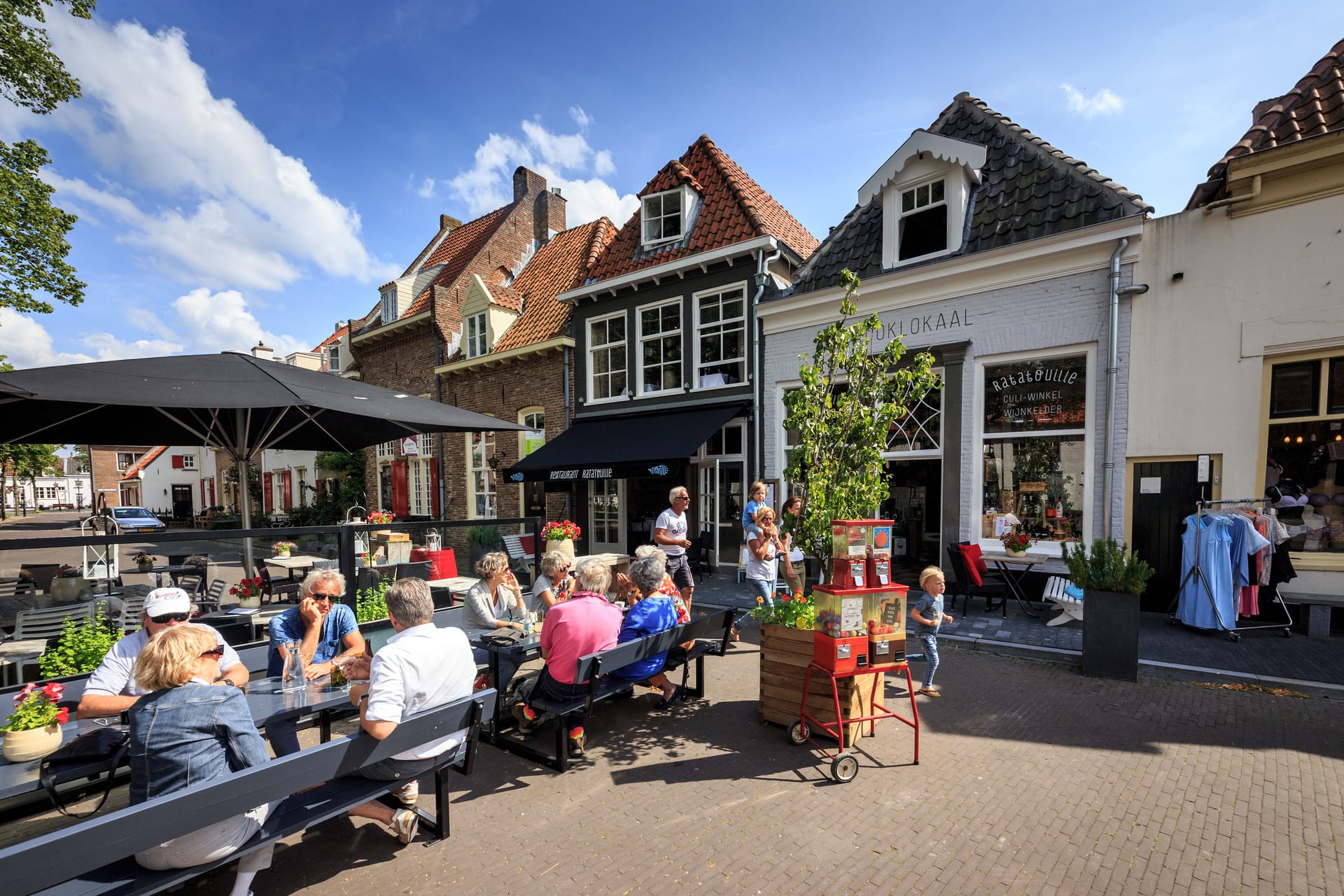
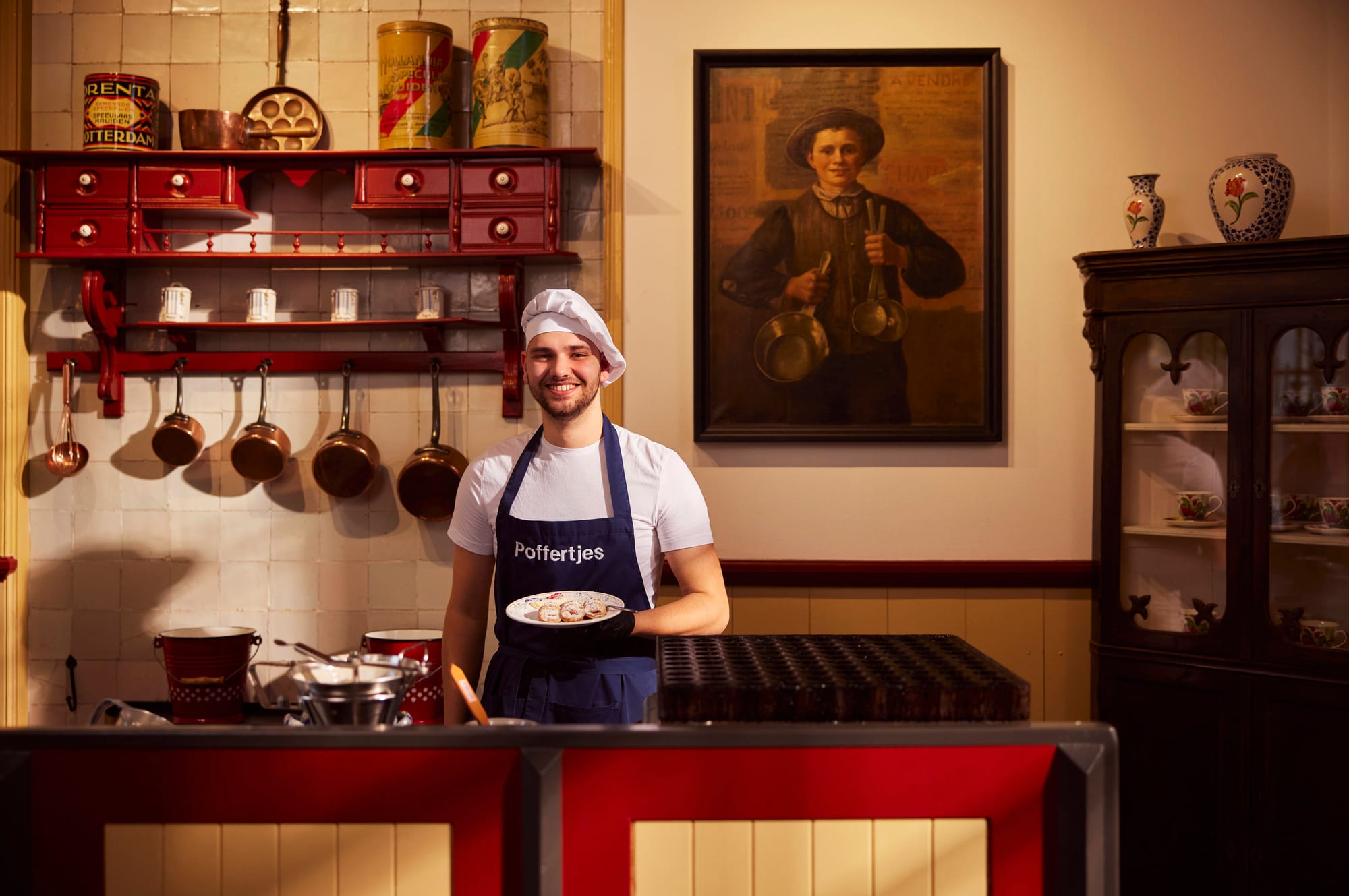
The Veluwe has so much more to offer...
Research
Through interviews with visitors and local hosts, analysis of planning behaviour, and mapping of existing touchpoints, we studied how people actually make decisions over time. Rather than treating a visit as a single moment, we looked at it as a journey (before, during, and after) where small design choices can meaningfully influence movement, discovery, and return.
Some of the insights
- People don’t choose destinations, they choose entry points
Visitors almost never decide to “go to the Veluwe” as an abstract whole. They choose something concrete: a museum, a walk, a town, an event, a recommendation from someone they trust. Only after that choice does the Veluwe start to exist as a region in their experience.
This shifts the design problem: regional branding is not about pushing the whole, but about connecting entry points into a coherent next-step logic. - Pressure is a design problem, not a popularity problem
Overcrowding does not happen because people like nature too much, but because alternatives are invisible, fragmented, or cognitively expensive to discover. When choice architecture is poor, behaviour concentrates.
By making more places, routes, and stories legible and easy to choose, visitors begin to distribute themselves naturally. Without discouragement, regulation, or moral pressure. - Nature is the anchor, not the full story
Nature is the Veluwe’s strongest trigger. It earns attention, trust, and emotional resonance. But it is not where curiosity ends. Once people arrive, they are far more open to culture, heritage, food, towns, and everyday life than the current narrative suggests.
Nature works best as a gateway, leading into a richer, more varied experience, rather than as the single dominant storyline. - Serendipity can be designed
Discovery feels accidental, but it occurs at predictable moments: at the end of a route, after a visit, while sitting at a café, or later at home. These are moments of openness.
By placing subtle “what else” cues at these moments, surprise becomes repeatable. Serendipity stops being luck and becomes part of the system. - “Er is altijd meer Veluwe” as organising principle
This idea became more than a tagline. It functions as a promise to visitors and as a design rule across the system.
Every experience should be complete in itself. And at the same time quietly invite the next one. Not by shouting, but by suggesting that curiosity never quite runs out.
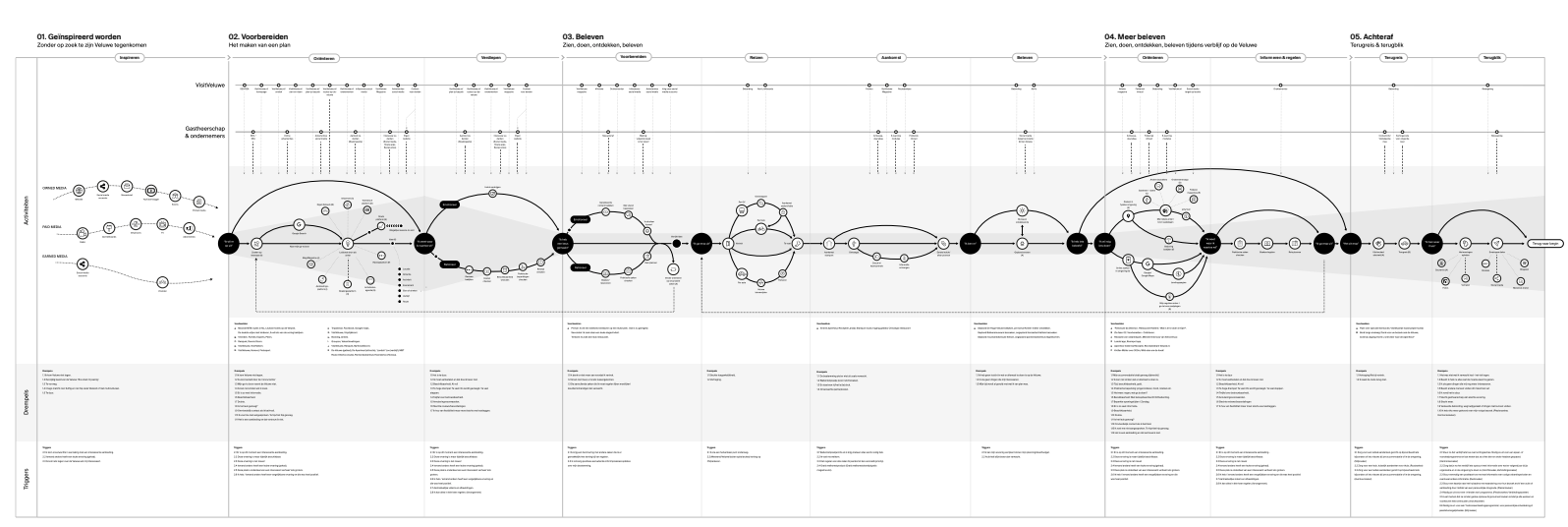
This strategy positioned the Veluwe not as a destination to promote, but as a system to design. By connecting entry points, guiding discovery, and broadening the narrative, it helps spread visitors more evenly and reduce pressure on vulnerable areas.
It also became a starting point rather than an endpoint: a shared framework for further developments. Several of those are now actively being worked on.
-
Part of the work was done at Morrow.