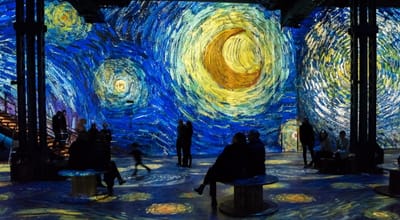
What is Experience Design?
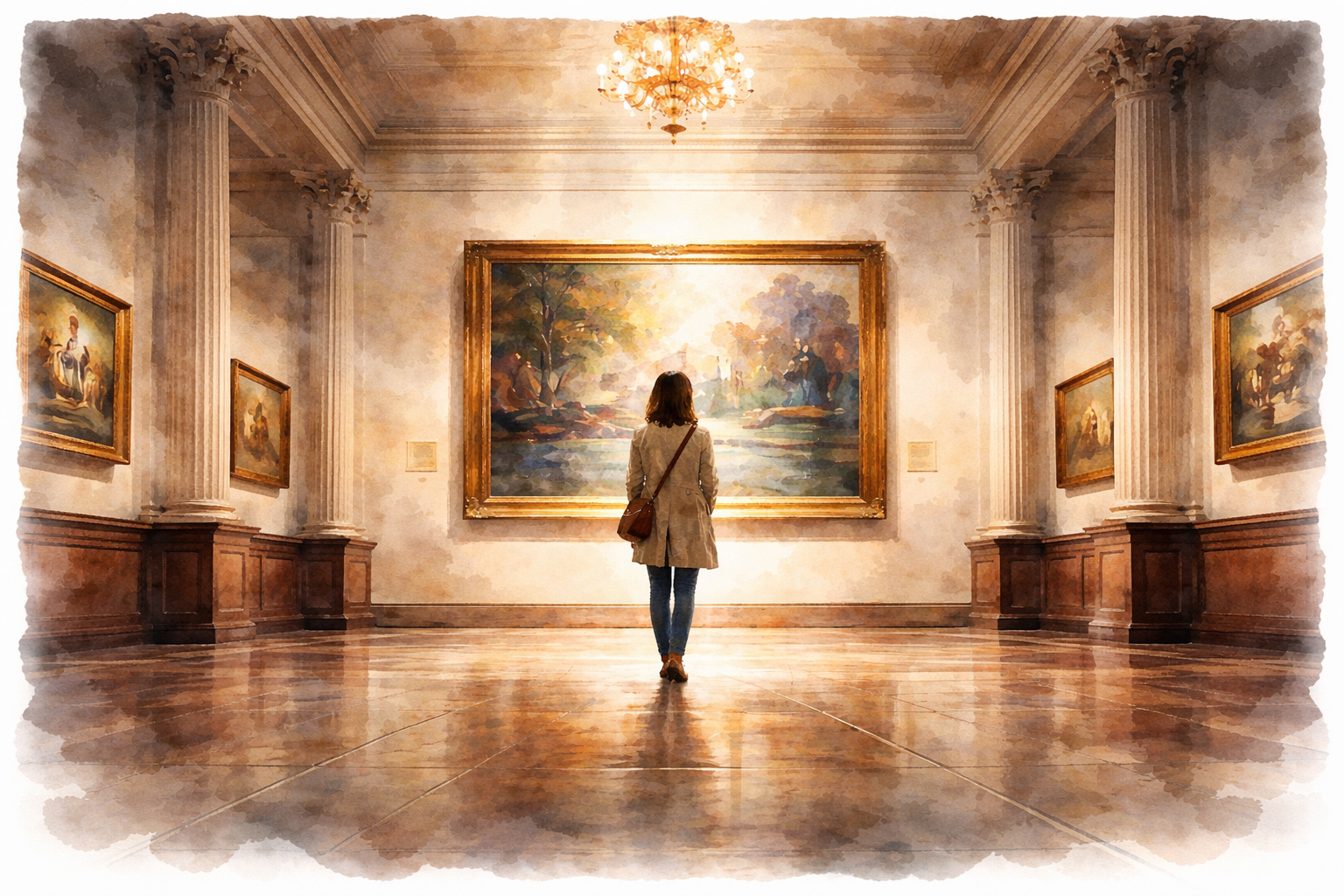
Experience design is about how something feels as a whole.
Not a single interaction.
Not a moment.
Not a touchpoint.
It is about the total impression something leaves behind: what it evokes, what it means, and what stays with you after it is over.
Think about the last experience that truly stayed with you. A place you still think about. A museum visit that shifted your perspective. A space that made you feel calm, curious, or unexpectedly moved. You probably don’t remember every detail. But you remember how it felt.
That feeling is the experience.
And experience design is the practice of shaping it.
A clear definition
Here is my definition:
Experience design is the intentional shaping of the overall feeling, meaning, and memory that emerges when people encounter something over time.
It does not focus on isolated moments. It looks at how moments connect. How they build on each other. How they form a whole that makes sense.
Experience design pays attention to:
- How people enter an experience
- How they move through it
- How it unfolds over time
- How it lingers afterward
It works across places, services, environments, stories, and interactions. But always with the same question in mind:
What does this entire experience add up to?
Experience is NOT a touchpoint
One of the biggest misunderstandings is thinking that experience design is about designing touchpoints.
Touchpoints matter. They are visible. They can be measured. But they are not the experience.
Touchpoints are like notes in music.
Experience is the melody.
A single note can be perfect and still mean nothing on its own. Only when notes relate to each other does something emerge that moves us.
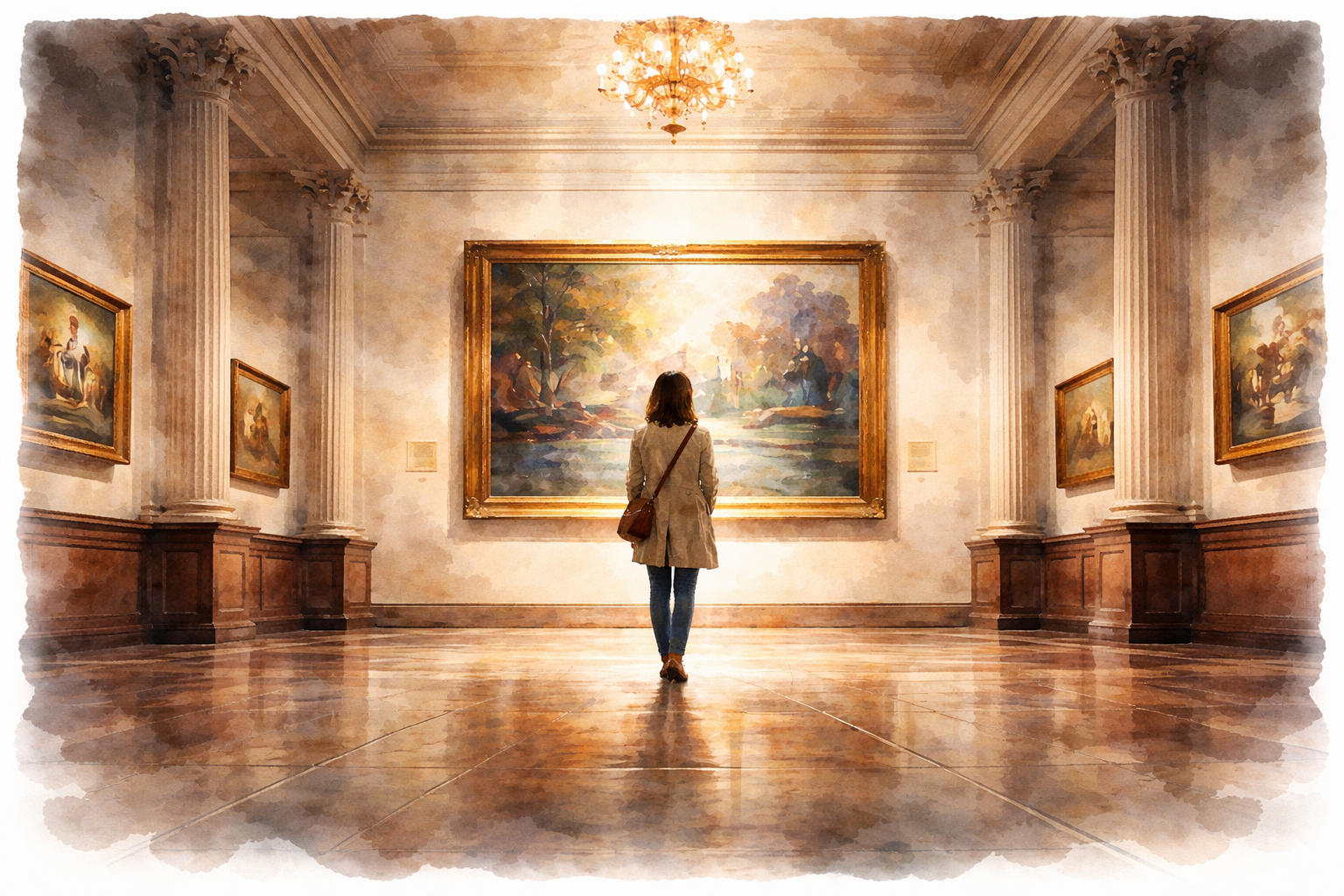
Consider a museum visit. The experience does not begin at the exhibition entrance. It begins when you decide to go. It continues through arrival, orientation, wandering, moments of confusion or discovery, a pause on a bench, a conversation afterward, and the memory you carry home.
No single moment defines the experience.
The experience lives in the connections between moments.
Experience design therefore shifts the focus from optimization to coherence. From improving parts to shaping the whole.
Experience Design begins by stepping back
Experience design starts differently from most design disciplines.
Before zooming in, it steps back.
Instead of asking:
- How do we improve this interaction?
- How do we make this moment better?
Experience design asks:
- What kind of experience are we actually creating?
- What should this feel like?
- What should people remember when it’s over?
This step back is essential. Without it, experiences become collections of well-designed fragments that do not belong together.
Stepping back allows designers to see patterns, tensions, and contradictions. It reveals what is missing, what is unnecessary, and what truly matters.
Experience design is not about doing more.
It is about choosing more carefully.
Why space is so powerful in Experience Design
Space plays a central role in experience design because it shapes behavior without asking for attention.
Space works quietly. It sets the tone before we consciously register anything. It influences how we move, where we pause, how long we stay, and how we feel. Often without a single word being spoken.
Think about:
- A library where silence feels natural, not enforced
- A memorial that slows you down without instructions
- A building where you instantly know where to go... or feel completely lost
In each case, experience is shaped through light, scale, material, sound, and rhythm. Not through interfaces or explanations.
Space designs experience at the level of the body. It works through posture, movement, and sensation. This is why experience design cannot be purely digital. Physical space, atmosphere, and context are fundamental to how experiences are formed and remembered.

Experience is always contextual
Experience does not exist in isolation. It is shaped by culture, history, and shared understanding.
The same space can evoke very different experiences depending on where it is, who is there, and what has happened there before.
A public square in a city shaped by protest carries a different meaning than one designed purely for leisure. A museum exhibition resonates differently depending on whose story is being told... and whose is missing. Even silence can feel peaceful or oppressive depending on context.
Experience design must therefore look beyond individuals. It must consider:
- Cultural context
- Collective memory
- Place and history
Experience design is not about pleasing everyone. It is about being clear and intentional about what something stands for.
Marina Abramović’s work is a clear example. Her performances often remove distraction entirely: no spectacle, no narrative guidance, sometimes not even movement. Many visitors feel uncomfortable or impatient. Others experience intense focus, emotion, and presence. The experience does not try to entertain everyone. It takes a clear position on what art can ask of us.
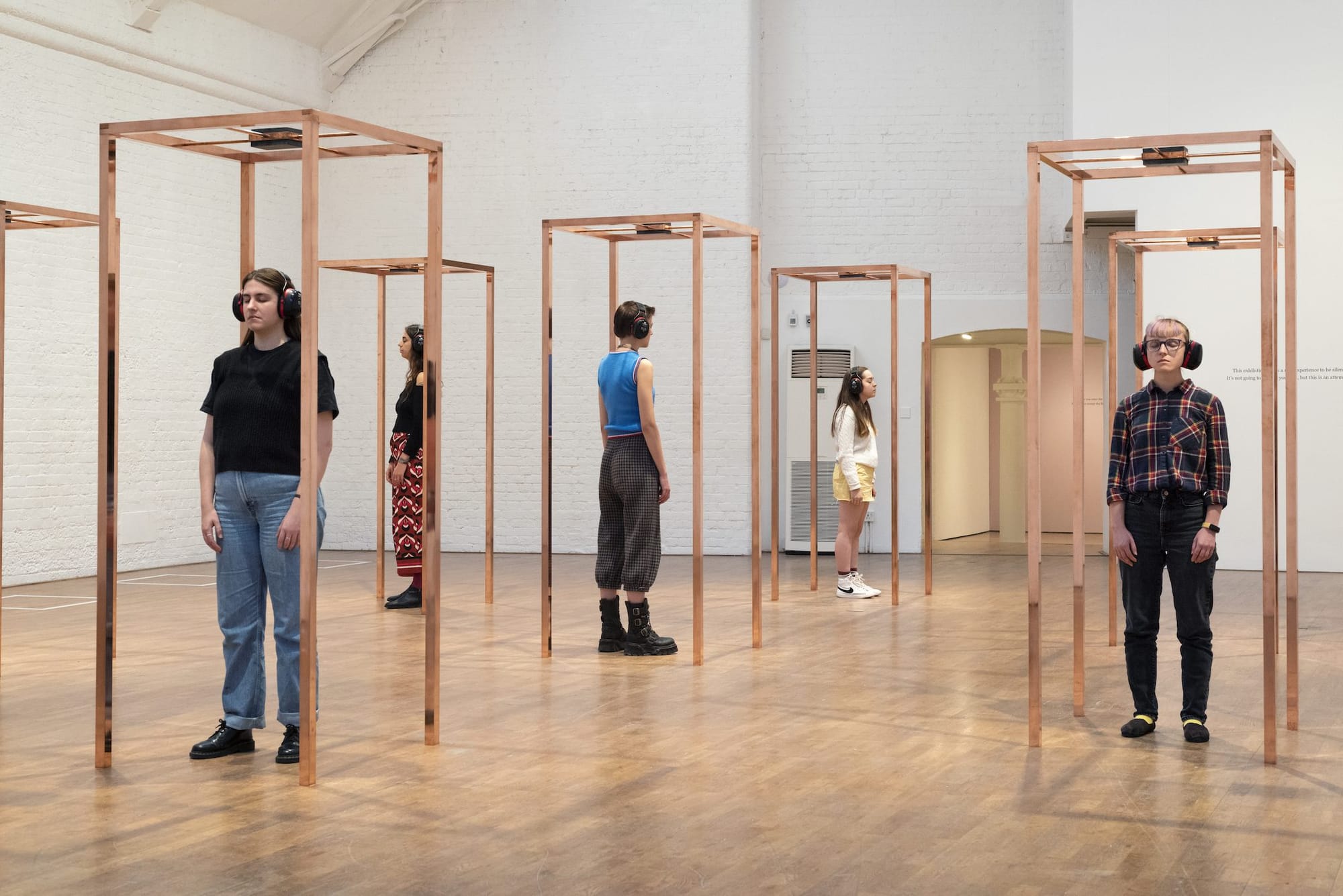
A public space that prioritizes openness and gathering may feel too exposed to some, while others experience it as generous and democratic. The design takes a position on how people should meet and share space.
A brand environment that avoids loud messaging and visual noise may seem understated or even boring to those looking for spectacle. Yet for others, that calmness creates trust and clarity. The experience stands for reassurance, not attention.
Apple Stores are a familiar example. The spaces are deliberately sparse, quiet, and slow. Products are not pushed; sales are not aggressive (the counter is in the back of the store, not the front). Some find this cold or minimal to the point of emptiness. Others experience it as confidence and focus. The environment signals that the brand does not need to shout.
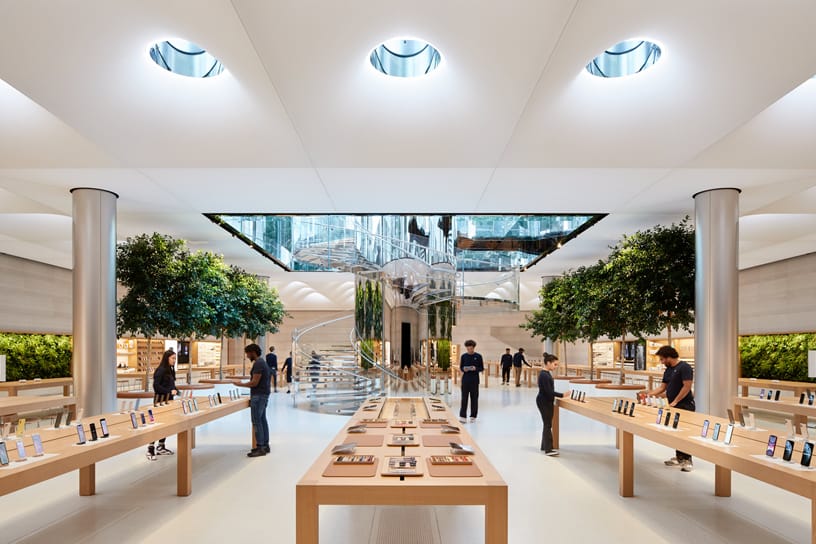
In each case, the experience makes a choice. It accepts that not everyone will respond in the same way. What matters is that the experience is coherent. That everything supports what it stands for.
Experience design is not about pleasing everyone.
It is about being clear enough to resonate deeply with someone.
Experience Design in practice
Museums: designing for meaning, not consumption
The strongest museum experiences are not the ones that show the most.
They are the ones that make the clearest choices.
Well-designed museums understand that visitors do not experience exhibitions as lists of objects, but as sequences of moments: approach, entry, orientation, focus, pause, and return. Experience design in museums is therefore less about display and more about how visitors are guided, addressed, and allowed to move.
This begins before the first object is seen: In the tone of introductory text, in how sound is used or absorbed, and in whether visitors feel rushed or invited to take their time.
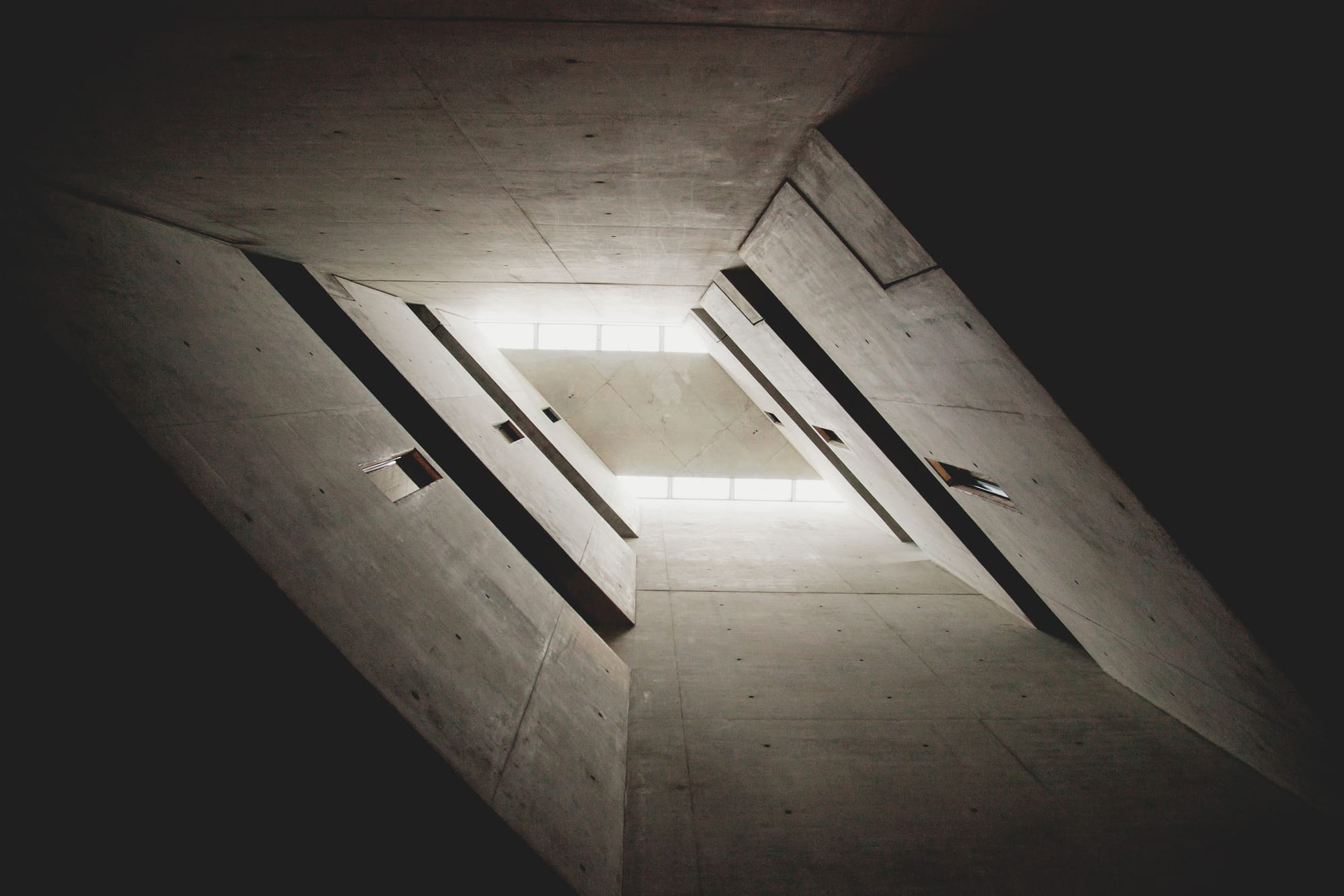
The Jewish Museum Berlin, designed by Daniel Libeskind, is a powerful example. Visitors are led through voids, slanted floors, and dead ends before encountering traditional exhibition content. Disorientation and discomfort are intentional. As Libeskind has said, the building itself is “an expression of absence.” The experience stands for loss and memory, not comfort or explanation.
Museum designer Ralph Appelbaum captured this approach clearly:
“The goal is not information, but transformation.”
That transformation comes from coherence: from aligning space, movement, silence, and narrative tension.
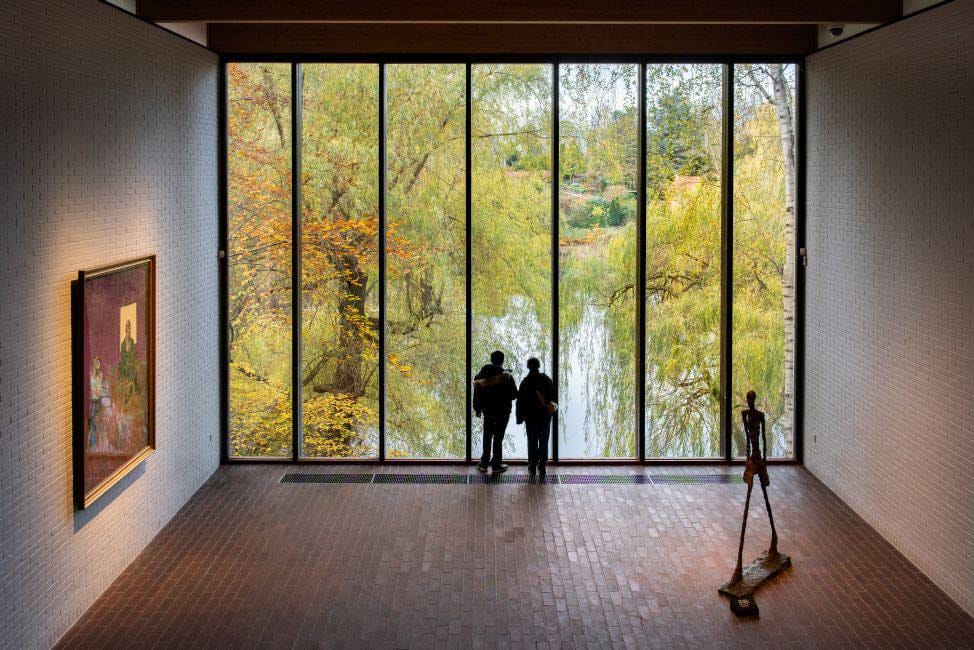
At the Louisiana Museum of Modern Art, the position is different but equally deliberate. Visitors drift between galleries and landscape. Text is minimal. Transitions are gentle. Nothing is rushed. The experience stands for openness and contemplation.
Even Tate Modern uses this logic. The Turbine Hall acts as a moment of orientation, allowing visitors to pause and understand where they are before engaging further. The experience begins with atmosphere, not instruction.
Across these examples, museum experience design:
- Shapes how visitors are welcomed and oriented
- Uses text, sound, and silence intentionally
- Designs transitions as carefully as displays
Marina Abramović’s work belongs in this tradition. In The Artist Is Present, almost everything is removed except time and presence. Some visitors leave quickly. Others stay for hours. The experience stands for attention and vulnerability.
In museum experience design, restraint is not a lack of ambition.
It is a position.
Public Spaces: designing orientation, not control
People enter a square, station, or airport asking (often unconsciously)where am I, what is happening here, and what can I do? Experience design in public space is about answering those questions through space itself.
In Paris, the contrast between Place de la République and Place des Vosges makes this clear. République is vast, open, and exposed. It functions as a civic stage for protest, gathering, and visibility. For some, it feels intimidating—but that openness is intentional. It stands for collective presence.

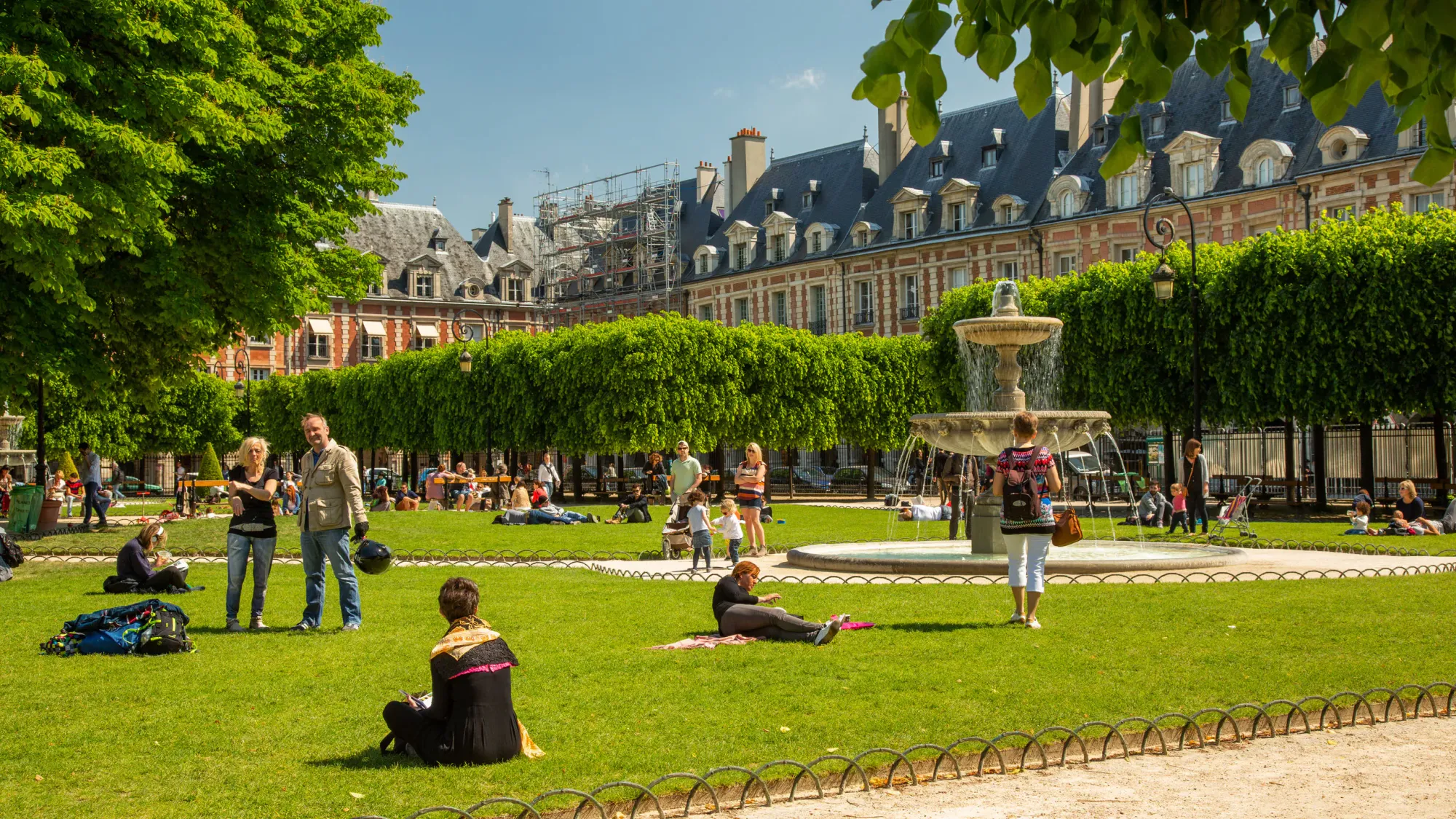
Place de la République and Place des Vosges.
Place des Vosges offers a very different experience. Enclosed by arcades and façades, it feels protected and human in scale. People linger, meet, and observe. It stands for intimacy and everyday life rather than public expression.
Urbanist Jan Gehl captures this difference succinctly:
“First life, then spaces, then buildings. The other way around never works.”
The same principle applies to airports and train stations. These spaces are not only about movement, but about helping people feel oriented and in control while in motion.
At Schiphol Airport, openness, long sightlines, and clear spatial hierarchy help travelers understand where they are before being told where to go. Wayfinding designer Benno Wissing summarized the approach as:
“Passengers first.”
Paul Mijksenaar later described the goal as giving people “the right information at the right moment,” allowing them to form a mental map of the space and anticipate what comes next.
When people understand a space, stress drops. Movement becomes smoother not because people are pushed, but because they feel supported.
Experience design in public space is not about directing behavior.
It is about creating clarity... and letting people choose.
Brand environments: attention or meaning
Some brand spaces feel like advertisements you walk through.
They shout, demand attention, and disappear the moment you leave.
Others feel like places you belong.
They slow you down. They guide you. They make you feel taken care of.
The difference lies in intention.

Nespresso stores offer a clear example of experience design at work. Visitors are welcomed with a cup of coffee. Staff guide them to the counter, help them choose, and remain present throughout the visit. After payment, employees walk around the counter to personally hand over the products rather than sliding them across.
None of this is necessary to sell coffee.
But each gesture shapes how the experience feels. The visit becomes less about transaction and more about ritual and hospitality. The experience stands for care, quality, and attention. Some customers may find this slow or formal. Others experience it as reassuring and premium. The store does not try to please everyone: it takes a clear position.
Other brands express similar intent in different ways. Apple Stores use openness and restraint to communicate confidence and focus. Muji reduces branding to create calm and simplicity. Aesop slows the pace through tactile materials and personal interaction.
In each case, experience design is not about capturing attention.
It is about shaping meaning.
Experience Design is strategic
Experience design is not decoration. It is direction.
When treated as strategy, experience design influences decisions long before anything is built:
- What to include
- What to leave out
- What deserves attention
- What should remain quiet
It helps organizations align what they say with what they do. And what people actually experience.
In a world full of noise, experiences that feel clear, calm, and intentional stand out. Meaning becomes the differentiator.
The role of time in Experience Design
Experience unfolds over time. This is often overlooked.
An experience has a beginning, a middle, and an end. But it also has an afterlife: in memory, in stories, in associations.
Experience design pays attention to:
- Anticipation
- Pacing
- Transition
- Closure
A rushed ending can undo a strong experience. A thoughtful beginning can set the tone for everything that follows.
Designing experience means designing time as much as space.
Designing what stays
Experience design is not about perfect moments.
It is about meaningful wholes.
When experience design works, people may not notice it immediately. But they feel oriented. They feel that what they encountered made sense.
They leave with a feeling that stays with them.
Experience design is not about designing touchpoints.
It is about designing what the whole evokes.
And that is what makes it powerful.